River Nile Cruise on a Budget
Cruising the River Nile doesn't have to just be for the wealthy or well-off. This guide teaches you how to see some of the most incredible ancient monuments on planet Earth for a fraction of what your local travel agent charges - only £260 per person for the 4 day/3 night cruise, including accommodation, food and guided tours of the monuments (excluding entry fees).
AFRICATRAVEL
This travel guide is a part of a bigger travel guide on how to spend 13 days in Egypt, covering Cairo, Aswan, the River Nile cruise and the Red Sea. Click here to see the full article.
One of the absolute must-do's when in Egypt is to do a River Nile cruise, but with so many choices, it's hard to pick a cruise. After much thought and research, there were a few things that factored into our decision to go for the cruise that we did.
PRICE:
There's a huge range of prices for the River Nile Cruises but the fact of the matter is that they are all more or less the same. You'll find people on your boat in the same sort of room as you're in that paid twice as much. People talk about paying thousands of pounds for a River Nile Cruise. Those are the people who basically booked through third-party like Tui, Kuoni or similar travel agent that a) is being ripped off by the Egyptian tour operators; and b) Has an extortionate markup themselves on their tours (because they also need to make money from selling the cruise). Doing this is your Option 1 and will cost a fortune for what you're getting. Your Option 2 would be to book directly with the Egyptian tour operators using international platforms like Viator, GetYourGuide, TripAdvisor and the like. This will be much cheaper than the foreign travel agencies, costing typically around £90-100 GBP per person per night for the accommodation on the boat, all food and all tours, excluding entrance fees and tips. The benefit of doing this is that you can see people's reviews of the cruise and try to book something reasonable this way, but it will come at a premium as it will cost you more than Option 3, which is to just find one of the tour sales people at the port where you plan to start your cruise (typically either Aswan or Luxor) and haggle the price. If you're on a budget, that's the way to go but you have absolutely no clue what sort of boat you'll be on, what sort of room you'll be in or if the food will be edible.
TIME:
The River Nile flows into the Nile Delta and onwards into the Mediterranean. In my view, there's absolutely no point in sailing upstream, it just slows your progress and makes your tour more expensive as a result. If you're short on time (or don't like wasting time) and would rather pay less for the same service, it's better to travel downstream from Aswan to Luxor rather than upstream from Luxor to Aswan. Just take a flight from Cairo to Aswan rather than, what I hear is rather horrible, train ride from Cairo to Luxor.
ONWARD TRAVEL:
For us it was also really handy to end in Luxor, as it's a relatively 'short' bus ride from Luxor to Hurghada by the Red Sea, where we planned to end our trip. Going from Aswan would have been a lot more complicated , as there are no flights between Aswan and Hurghada and the overland journey is much, much longer than from Luxor. So a win-win in this case to sail from Aswan to Luxor.
OUR FINAL DECISION ON CRUISE:
We went for Option 2 booking a 4 day/3 night River Nile Cruise from Aswan to Luxor including a tour to Abu Simbel and a hot air balloon flight over Luxor through an international booking platform (Viator), as we wanted to know what we were getting ourselves in for, including a clear itinerary, reviews from other travellers and clear outlining of inclusions and exclusions.
Prices vary depending on when you travel, but we paid £260 per person for the 4 day / 3 night cruise including very nice room on the ship MS King of Thebes (what ship you end up on may vary but they are all pretty similar), all food and tours, including a hot air balloon tour in Luxor. However note that tips and entrance fees to the Egyptian monuments are not included. The tips cover all the staff that are involved with making your tour great, including the cruise ship staff and minibus drivers. You just tip at the start - in our case it was a total of $32 USD between the two of us, and then you don't need to tip anybody else, except your tour guide at the end of the trip. Entry tickets can be purchased beforehand with a credit card (MasterCard or Visa only), if that helps, on the official Egymonuments website. Just be mindful of your itinerary, as the entry tickets are only valid on the day and if you booked your cruise ahead of time, there's a chance you might get shuffled to another day, as was the case for us. We booked the cruise for 20th March but it was was cancelled so we were offered either 19th or the 21st instead, of which we chose the 19th. Also, the days when you visit the temples in Luxor isn't completely set in stone. We had purchased entry ticket to Luxor Temple for the 22nd March as we were supposed to visit the temple at night of the 22nd but our cruise ship got held up at Esna Lock for several hours causing us to miss the opening hours for the night time opening of the temple. You can also just buy the tickets off your guide, who doesn't charge you anything extra for that service (just cross-check the Egymonuments website to make sure that's the case). The only caveat is that you need to have a fair bit of cash on you for that, and give him the payment in cash but then you'll be sure to have a ticket for the correct date. The entry fees, correct as of March 2025, are in brackets behind each attraction listed in the itinerary below (EGP 50 = c.a. $1 USD in March 2025).
Typical itinerary of a River Nile Cruise
River Nile Cruises typically run between Aswan in the south of Egypt to Luxor (downstream) or Luxor to Aswan (upstream). If you like to spend longer on the cruise ship, then Luxor to Aswan might be for you. If you are on a tighter budget and/or have shorter time to see everything, then the downstream Aswan to Luxor might be for you.
The itinerary below is the one we did, which is typical for the Aswan to Luxor route.
Note that all River Nile Cruises have extremely early starts!! Wake up call is always between 3:30am and 5am, but it's worth it!! Mentally prepare yourself!!
ITINERARY:
Day 1: Boat docked in Aswan overnight.
Lunch on board the boat.
Temple of Philae (EGP 550)
Aswan Spice Market to be introduced to international spices that have been going through Aswan throughout Egyptian history.
Nubian village, which we skipped out on, as we had actually been staying in that very same village.
Dinner on board the boat.
Day 2: Boat docked in Edfu overnight.
Super early start (4am departure) to drive 4 hours south towards the Sudanese border with packed breakfast on the bus.
Temple of Abu Simbel (EGP 750)
Aswan High Dam (EGP 200): Made a quick stop on our way back to Aswan.
Kom Ombo (EGP 450) When back on the boat, we had lunch and started sailing to and visit the temple which is lit up at night.
Dinner on board the boat after visiting Kom Ombo and then the cruise then continued towards Edfu where the boat docked overnight.
Day 3: Boat docked in Luxor overnight.
Temple of Horus at Edfu (EGP 550) at 05:30am
Returned to the boat for breakfast after Temple of Horus.
Day of cruising.
Lunch and Dinner on board the boat.
Esna Lock: Lots of boat traffic trying to get through the lock, so a big hold-up point.
Day 4: Check-out from the boat in the morning. Bags stored.
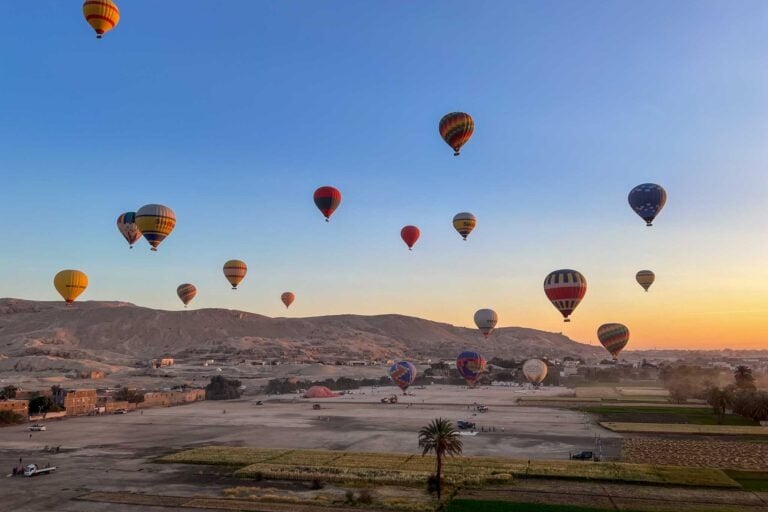
Hot Air Balloon flight over Valley of the Kings at sunrise
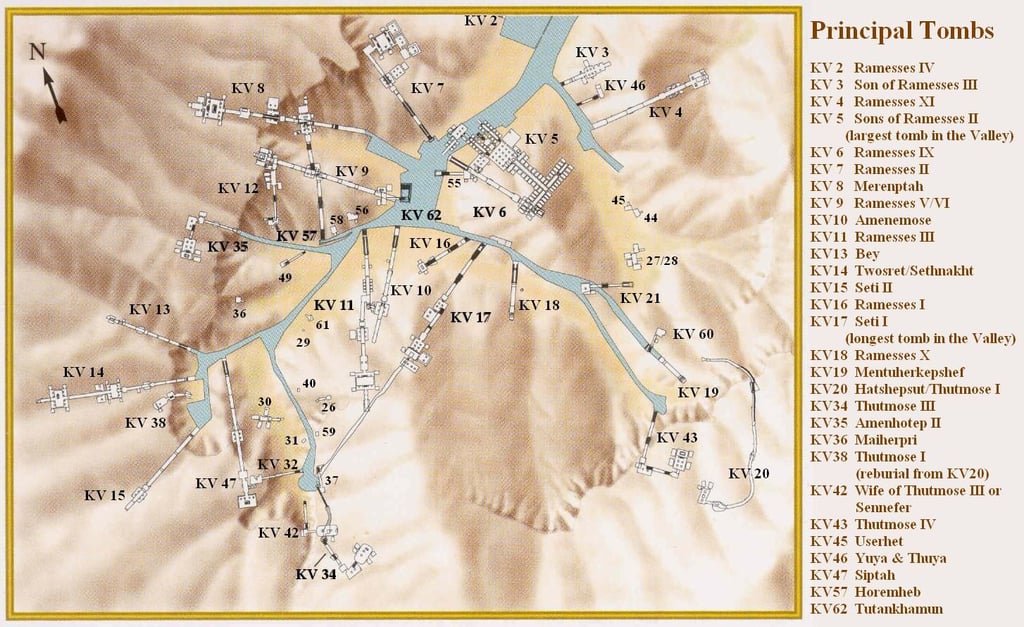
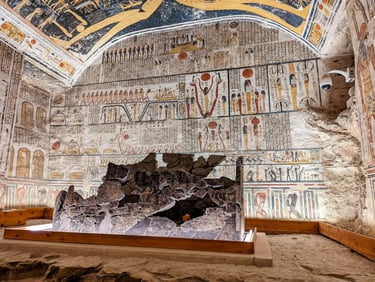
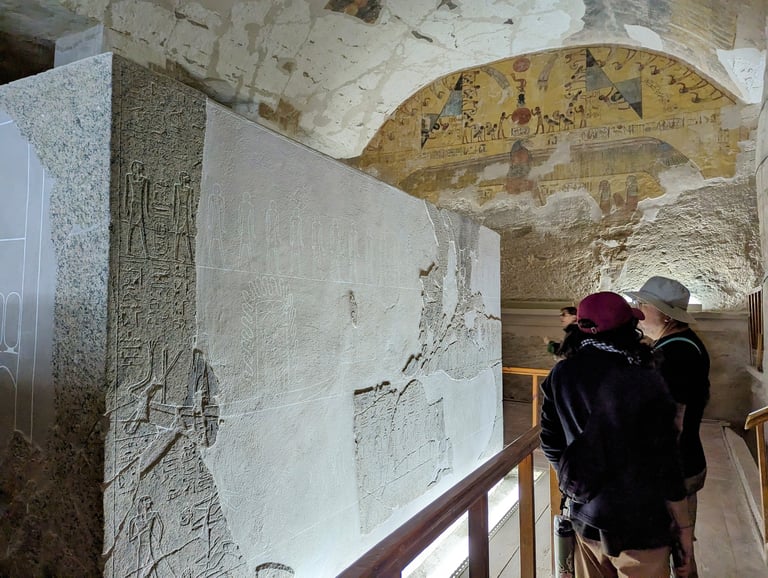
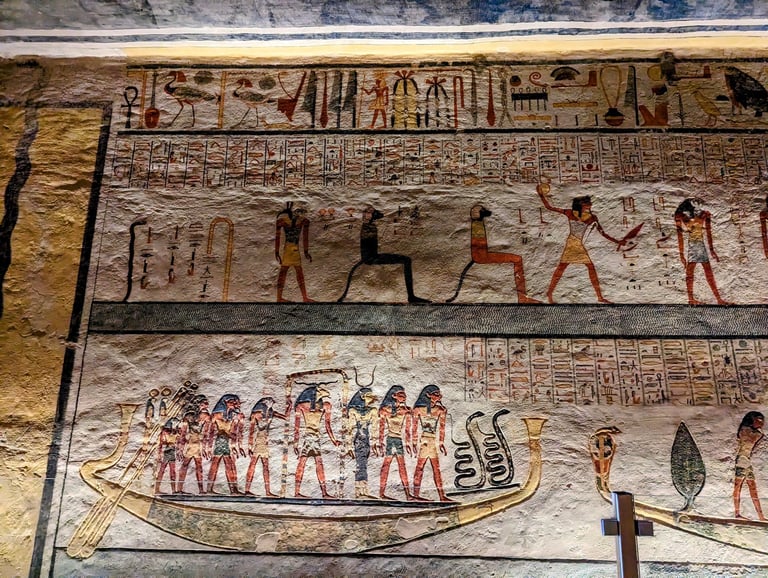
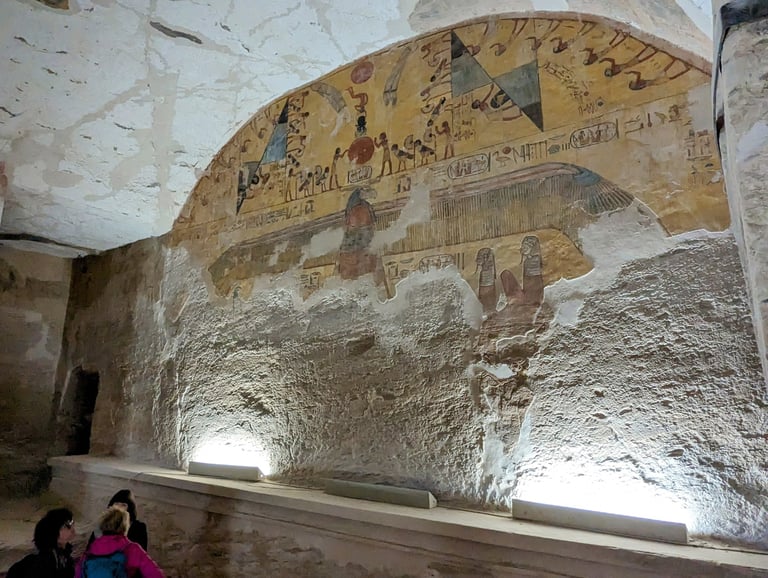
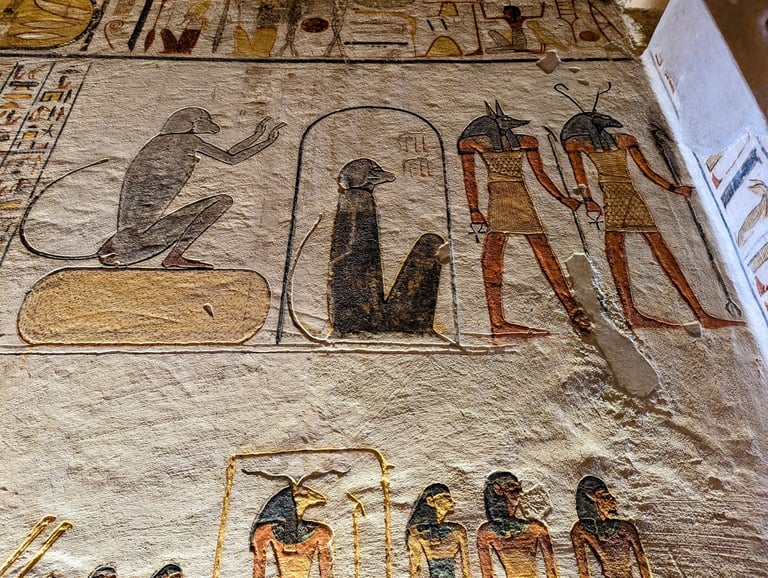
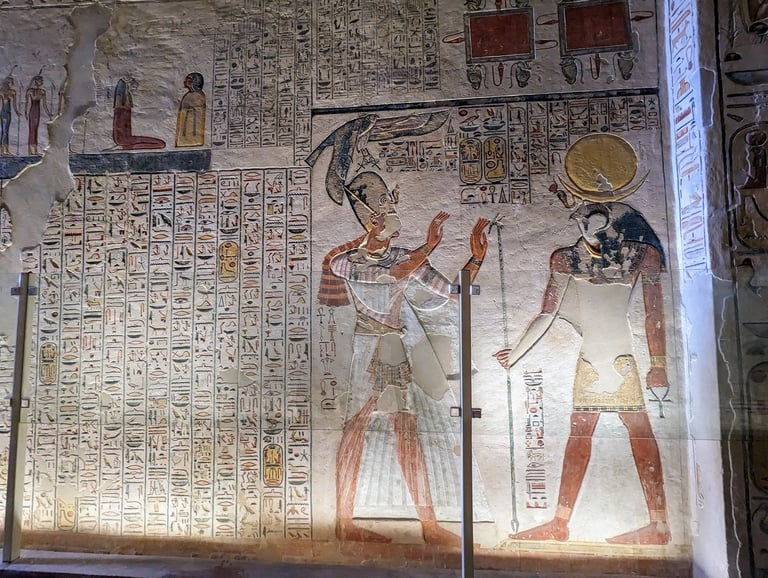
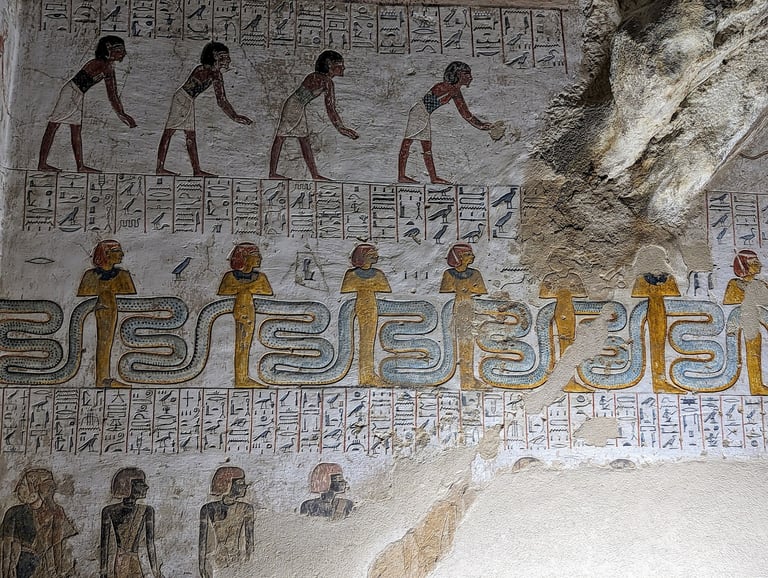
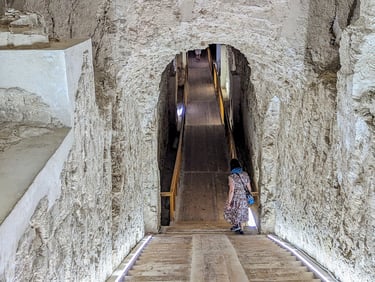
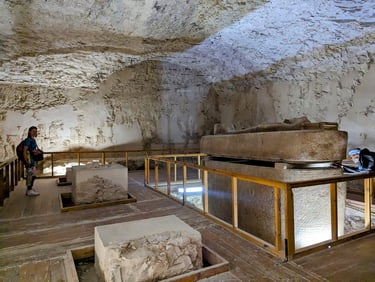
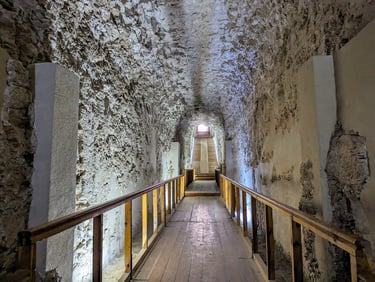
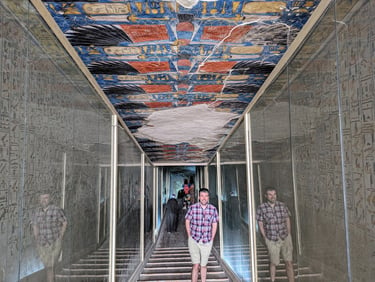
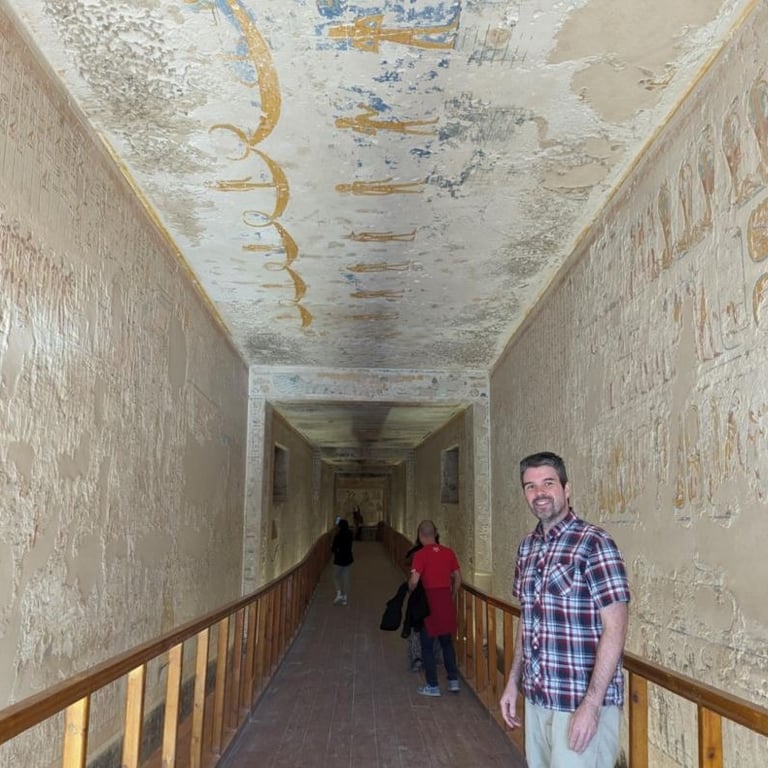
Valley of the Kings (EGP 750) Instead, we still had an early 5:30am breakfast and 6am departure to.
In the main ticket you also have 3 more tombs included.
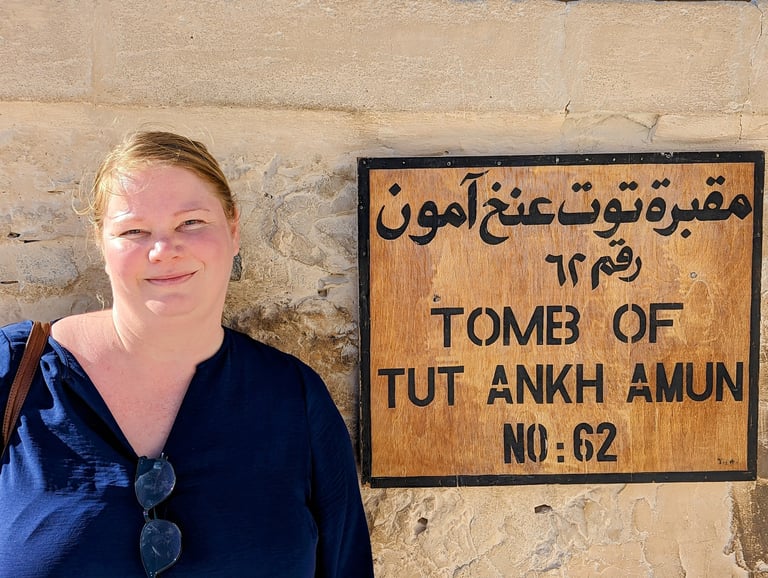
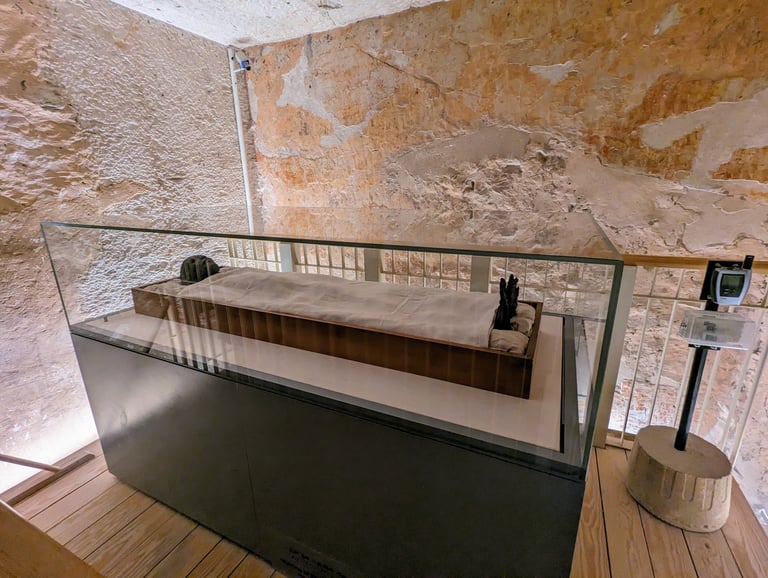
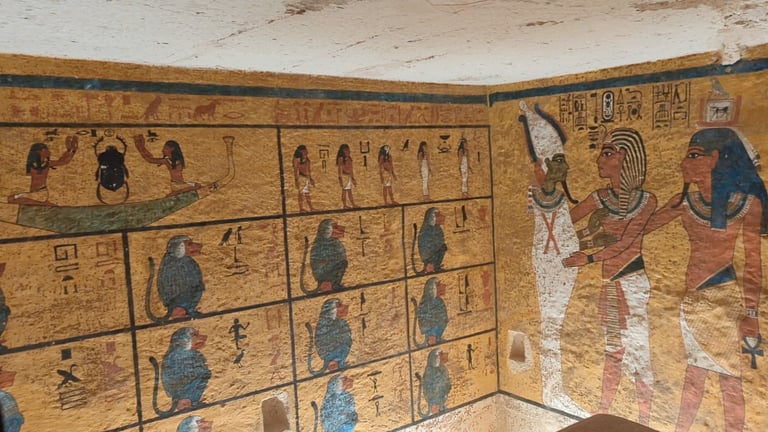
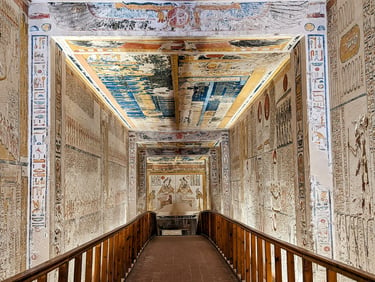
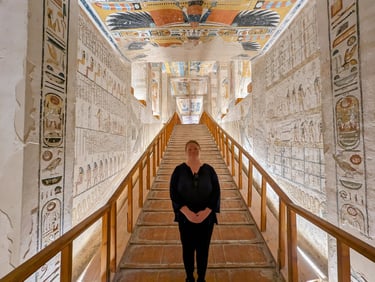
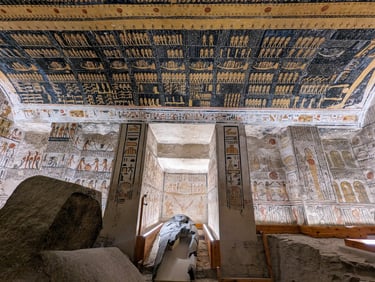
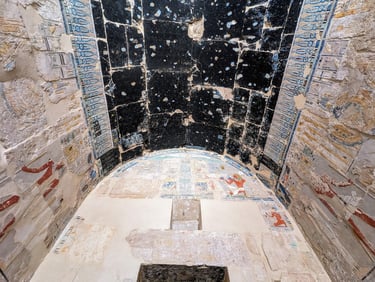
I had purchased additional tickets to see the Tomb of Tutankhamen (EGP 700) and Ramesses V&VI Tomb (EGP 220).
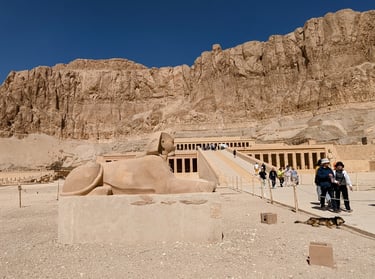
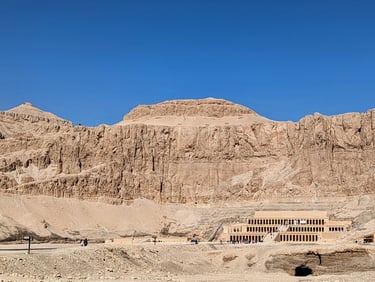
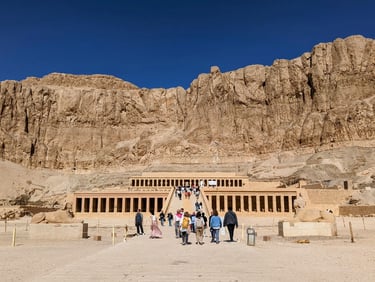
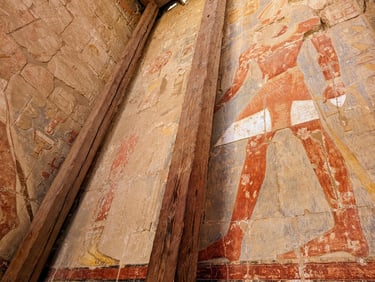
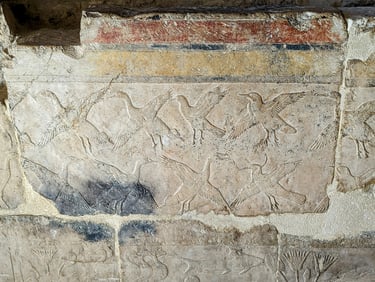
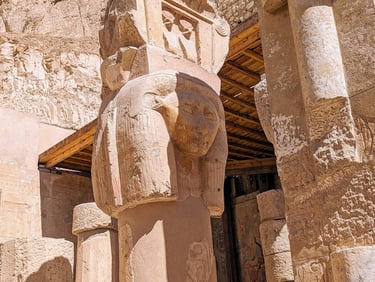
Temple of Hatshepsut (EGP 440)
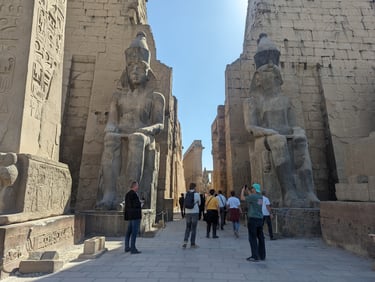
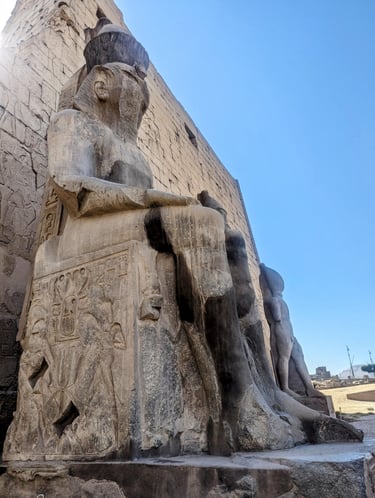
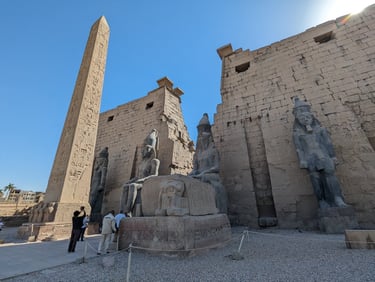
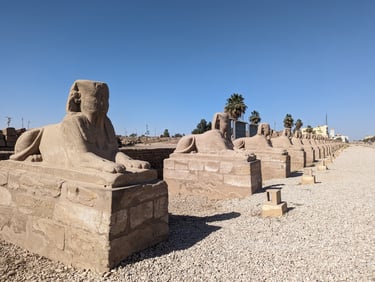
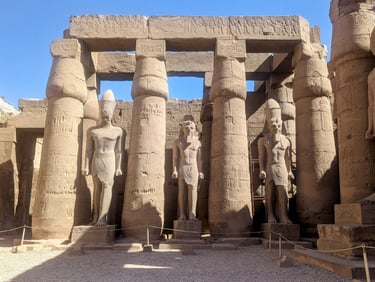
Luxor Temple (EGP 500) on the East bank of Luxor
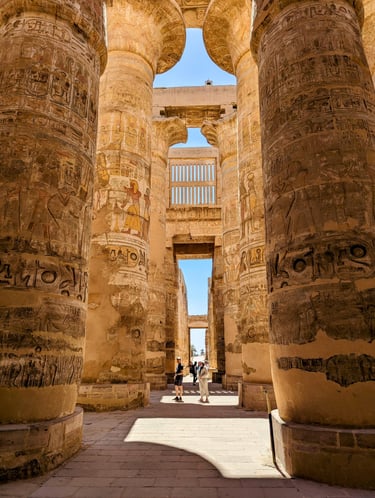
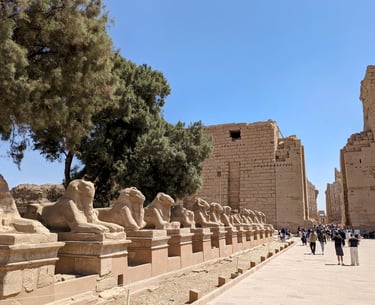
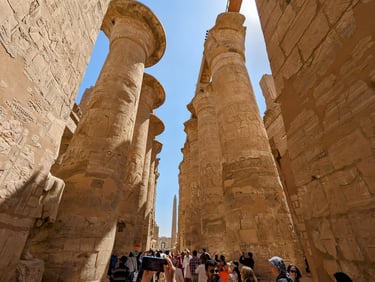
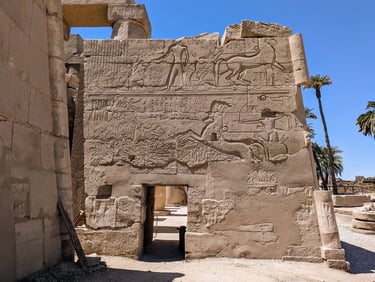
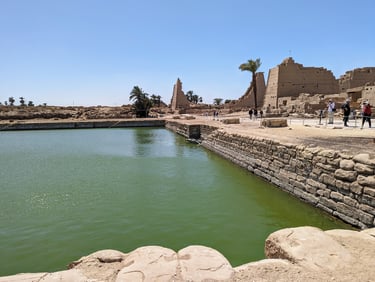
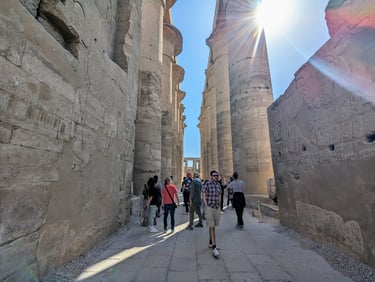
Karnak Temple (EGP 600) before finishing the tour, picking up our bags and checking into our Luxor hotel.
All meals, except for the lunch on the very last day ($8 USD) were included in the itinerary but drinks of the boat were extra. A big Heineken cost us EGP 165 (£2.50 GBP), which was very cheap compared to our Luxor hotel that charged us EGP 600 per beer!!
If you fancy doing the same cruise and tours, you can book the 4 day/3 night tour on Viator here. More detailed description of our experience of the cruise and the tours is in the following sections.
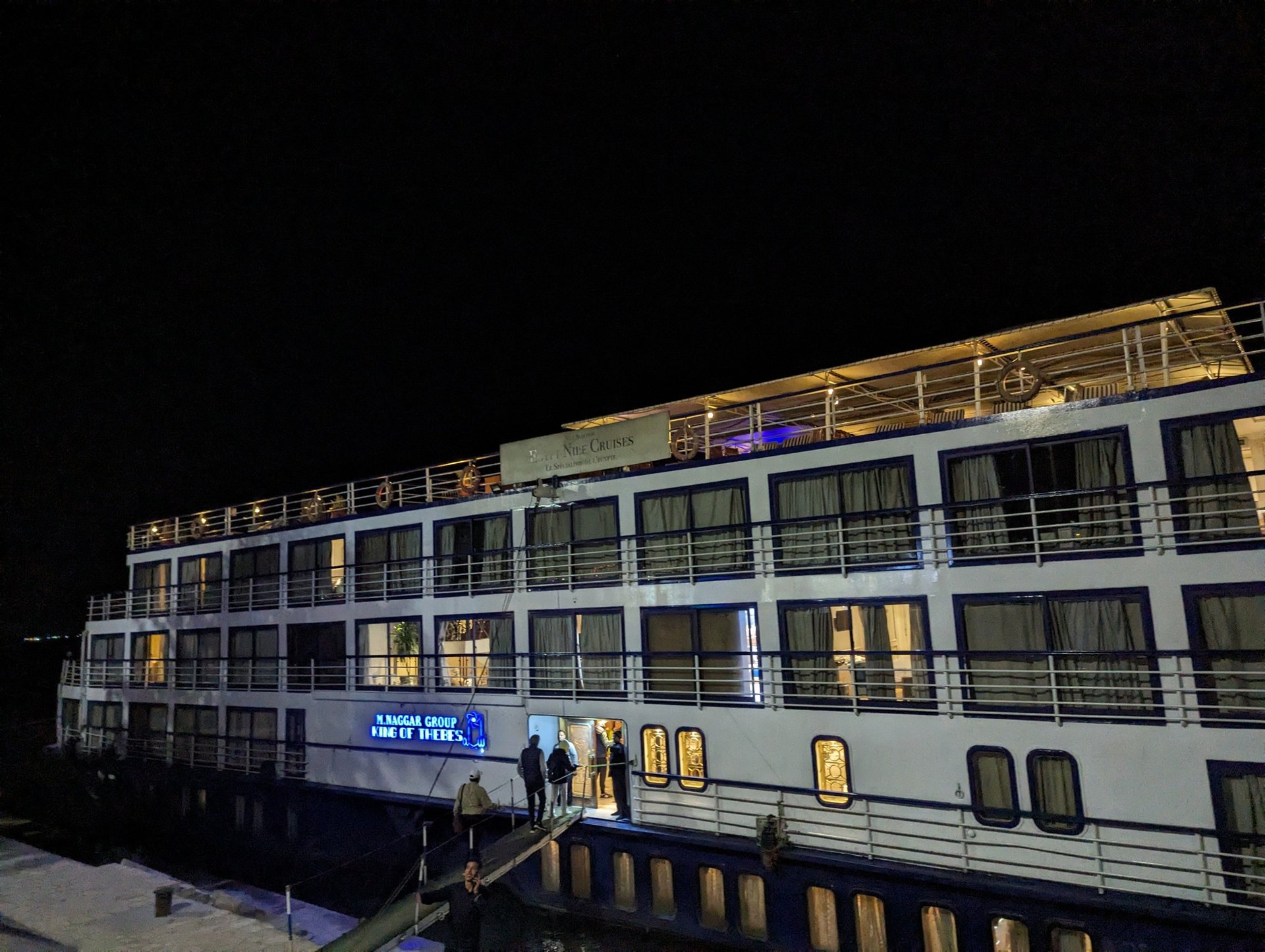
The MS King of Thebes - our River Nile Cruise ship
We genuinely didn't have high hopes for the cruise ship, given that it was all inclusive (minus drinks) for just £260 GBP per person for the 4 day/3 night cruise, but when we boarded the ship, we were VERY pleasantly surprised!! The ship was very elegant, decorated with lots of expensive quarried stone, modern furniture and the room we got was probably the best of all the rooms we stay in during our 13 days in Egypt! Big and spotless, really. The only downside I'd say was the lack of Wifi and the rooftop pool was not being cleaned/maintained. The drinks were cheap, the food buffet for breakfast, lunch and dinner that was included surpassed our expectations.
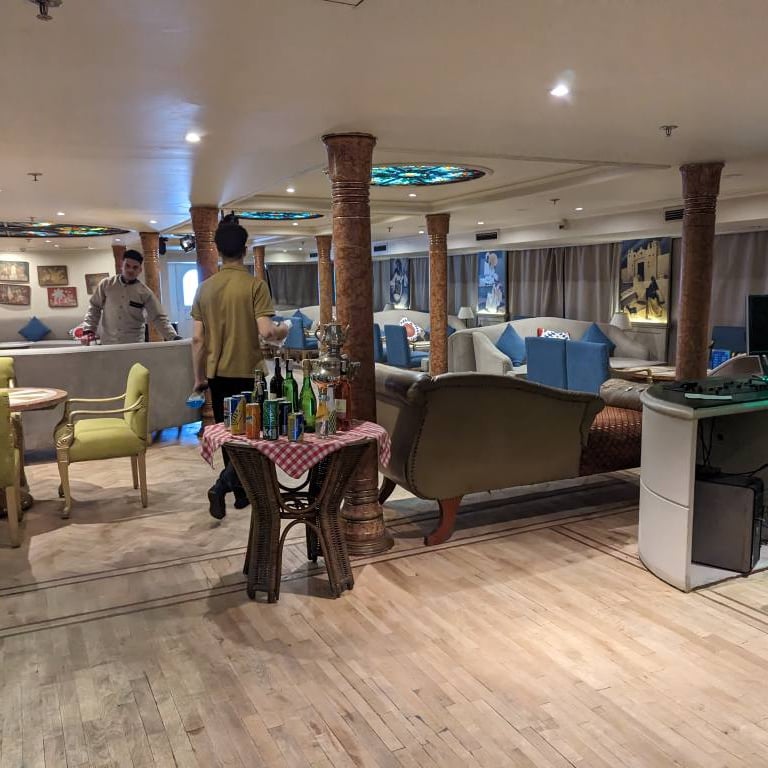
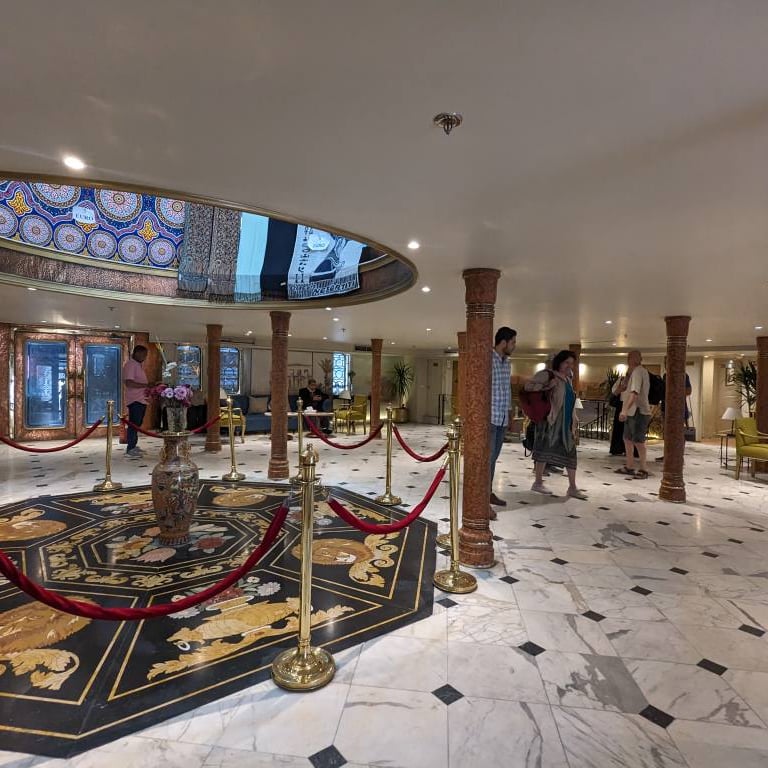
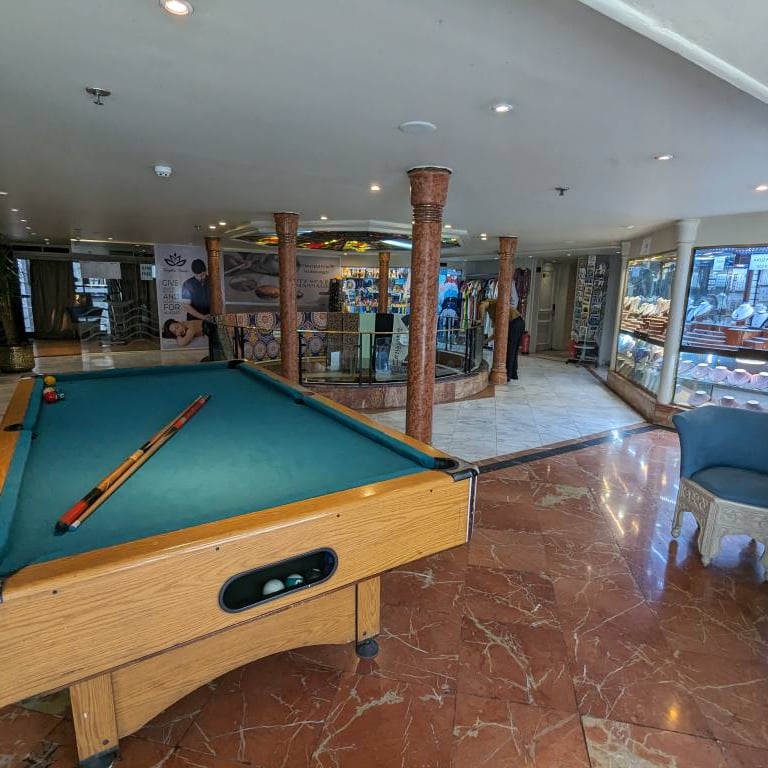
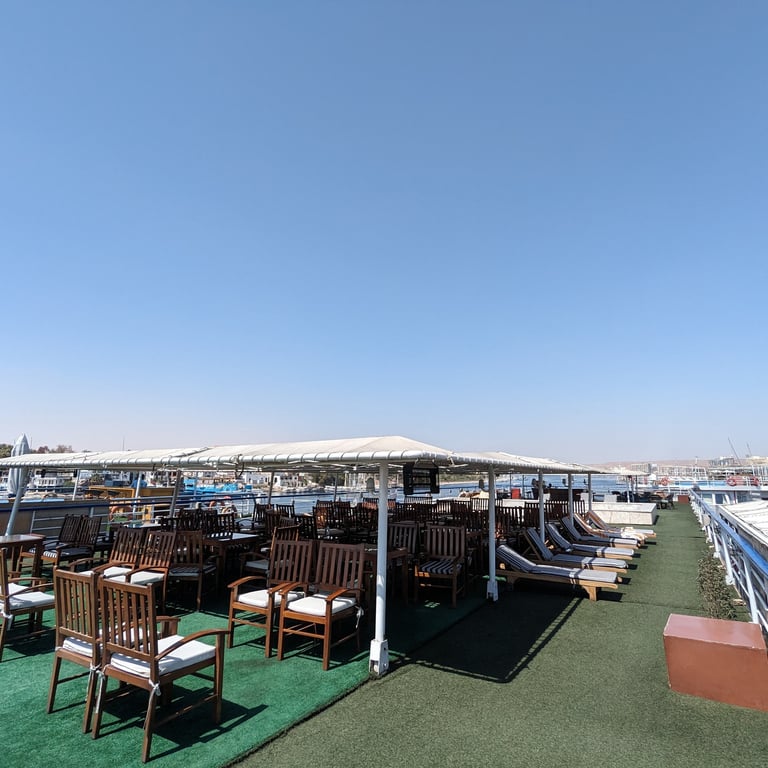
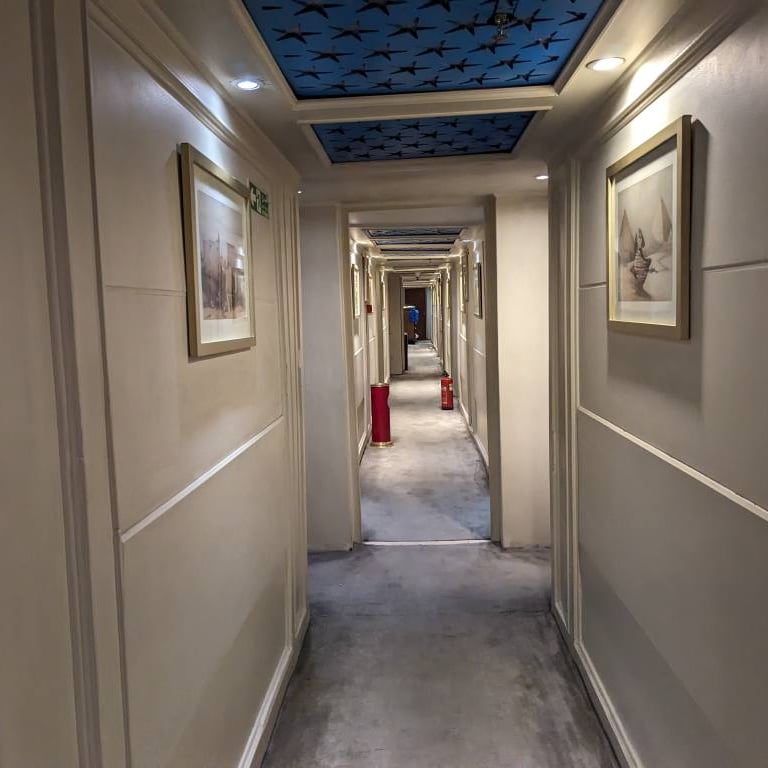
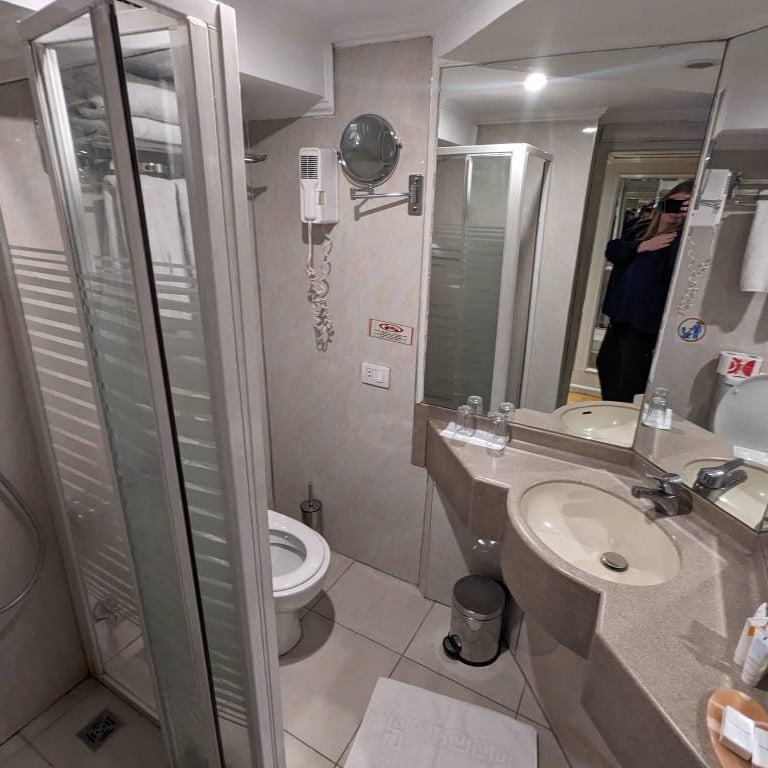
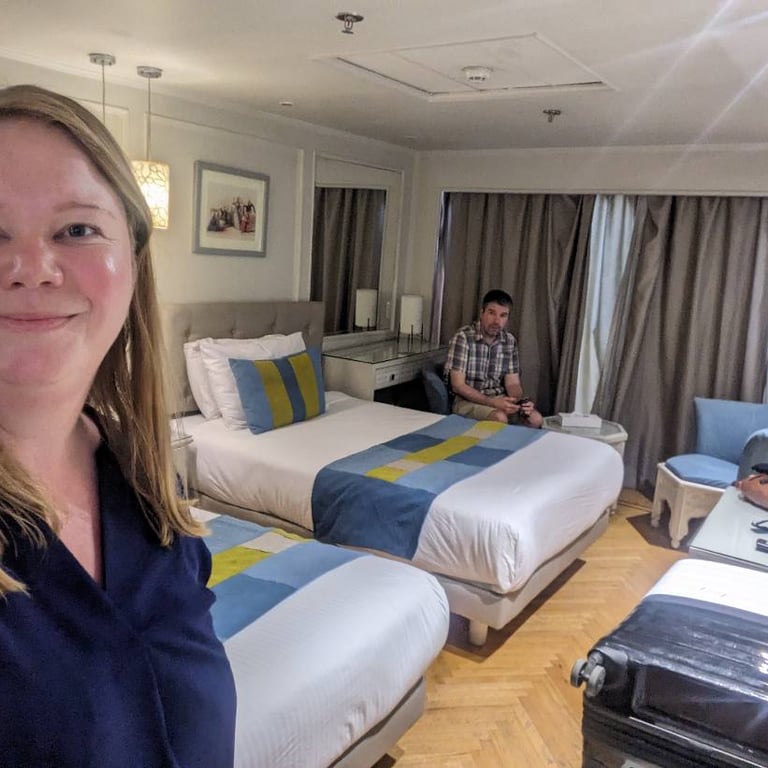
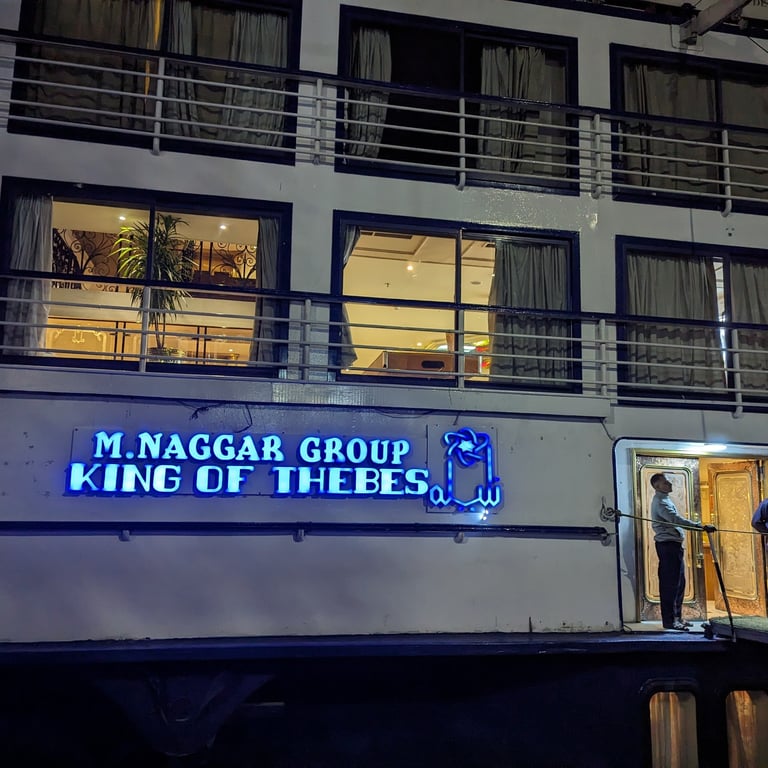
Our River Nile Cruise Ship - The King of Thebes
Getting to your River Nile Cruise
Cruise Departure from Aswan:
One you're in Cairo, you can get to Aswan by three means:
Flight: This is the best choice by far. The flights are fairly cheap (often <£50GBP) and depart from Cairo with Egyptair, Nile Air, Air Cairo or Nesma Airlines. The flight takes 1.5hr. Again, Kiwi is good for flight bookings when searching for the cheapest flights. That way you also avoid the buggy Egyptian websites.
Train: Typically takes 11-14 hours from Cairo. A popular overnight option (~7:45 pm Cairo → ~9:24 am Aswan) takes about 13 hours 40minutes, with numerous intermediate stops. I wouldn't dream of doing this trip, but if you're adventurous, you can try it out. The train will set you back £50-100 GBP, so in my mind the flight is a no-brainer.
Bus: Takes 14 hours and costs around £15 GBP from Cairo. With the sort of driving they do in Egypt, I would be 14 hours at the edge of my seat.
Once in Aswan, taxis abound. Just tell them the name of your ship (if you're arriving on the day of departure) or alternatively your hotel name.
You would typically fly into Cairo if you're planning to go on a River Nile Cruise, though there are some international flights straight into Luxor with EgyptAir, EasyJet and Tui for example, depending on where you're flying from. The very best flight route planning website that exists is Flightconnections.com - this website is a vital part of any travel planning I ever do! It basically gives you a route map of flight routes to your destination. For individual airlines for the best fare, you can just use a flight price comparison like Kiwi for example, which I use a lot.
Cruise Departure from Luxor
Perhaps the convenience of starting the cruise from Luxor is that there are some direct international flights to Luxor, but you'd still have to think about how you get back to Luxor from Aswan (fairly easy by flight, train, bus or taxi).
If you flew into Cairo instead and need to get to Luxor, these are your options:
Flight: Surprisingly, the flights to Luxor from Cairo tend to be more expensive than to Aswan. Again, Kiwi is excellent when searching for the cheapest flights.
Train: Typically takes 10 hours from Cairo. The train will set you back £40-75 GBP.
Bus: You can travel with Go Bus Egypt or White Bus Egypt from Cairo and it takes around 10hrs. This is the budget option, costing between £6-12 GBP per person. Just be mindful that Egyptian drivers aren't the safest.
Once in Luxor there's lots of taxis everywhere. Just tell them the name of your ship (if you're arriving on the day of departure) or alternatively your hotel name.
As you can see, it is benefitial to start your cruise in Aswan as it's cheaper (both the cruise and getting there) and faster, but another benefit is the fact that you can then stay in Luxor for a few days after your cruise and do the extra sightseeing that is not covered in the cruise, like the trip we did to Dendera Temple in Qena, which was one of the highlights of our trip to Egypt. There is also just A LOT to see in Luxor, so it's nice to have some time to see everything you want to see, as well as giving you another opportunity to go on the hot air balloon flight that may have been cancelled due to weather (as was the case for us - but we didn't have long enough time in Luxor unfortunately).
The below intinerary is for the Aswan to Luxor cruise.
DAY 1: Philae Temple, Aswan Spice Market and Nubian Village
We checked into our beautiful boat, MS King of Thebes, and we were shown to our huge room with river view. We were then fed lunch before heading out exploring.
We got into a minibus and were taken to a pier where a boat took us to an island to see the Temple of Philae. It is one of the more "recent" ancient Egypt monuments, a Graeco Roman Temple dedicated to goddess Isis, built over 2000 years ago, between the years 380-145 BC. When you visit the temple, you'll notice that many of the figures have had their faces defaced. The Philae Temple in Egypt was defaced over different periods, but one of the most notable acts of defacement was carried out by early Christians. When Christianity became the dominant religion in Egypt, many ancient Egyptian temples were repurposed as churches. At Philae, Christian iconoclasts chiseled out the faces and figures of pagan gods, particularly Isis, to erase their religious significance. With the construction of the modern dam in Aswan (1960 - 1970) a few kilometers upstream, this temple was going to face total flooding. The UNESCO awarded two Italian companies with a contract tasked with documenting, dismantling, and restoring the Philae monumental complex, as well as transferring and reconstructing it at the new site on Agilkia Island.
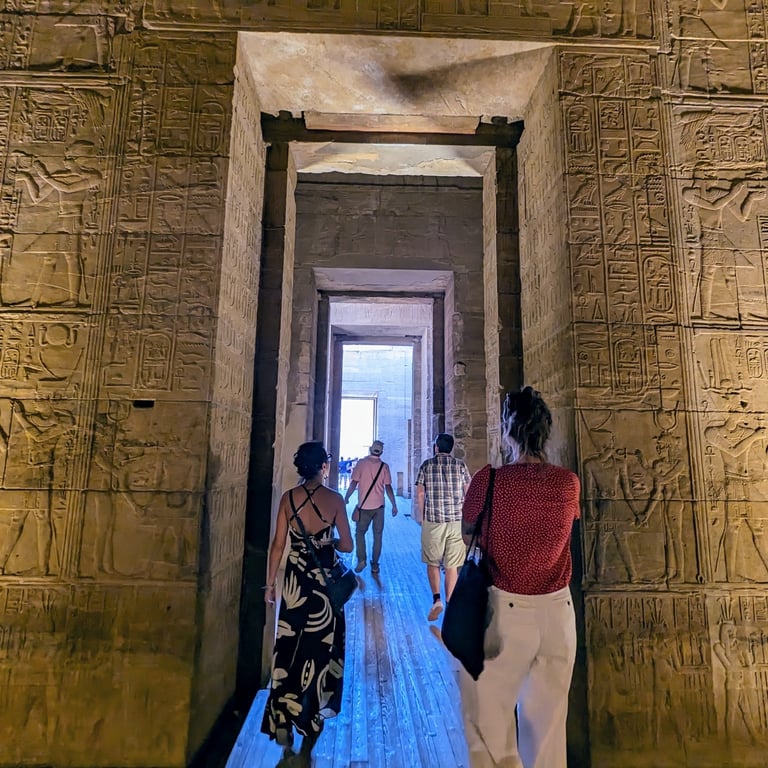
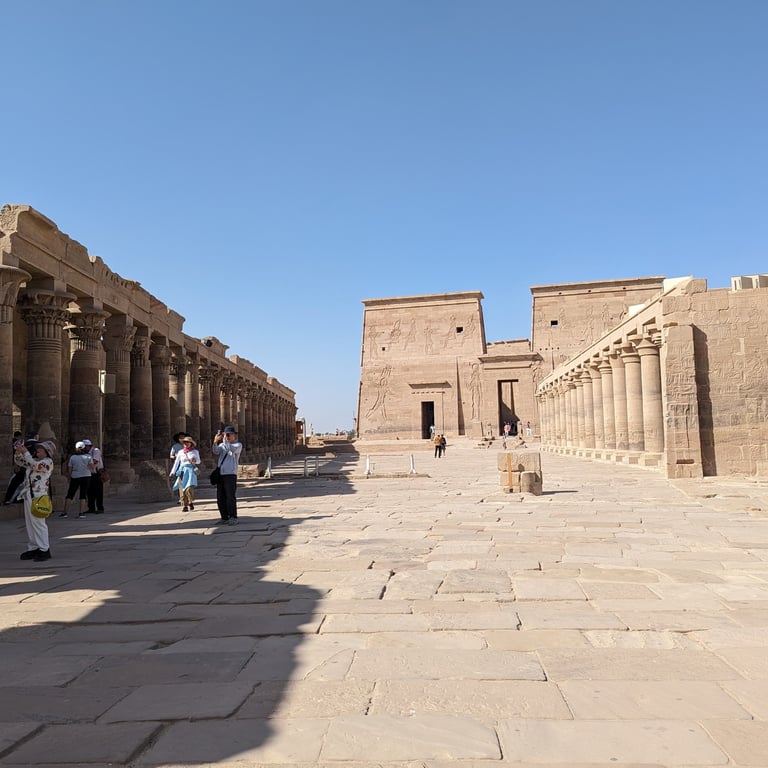
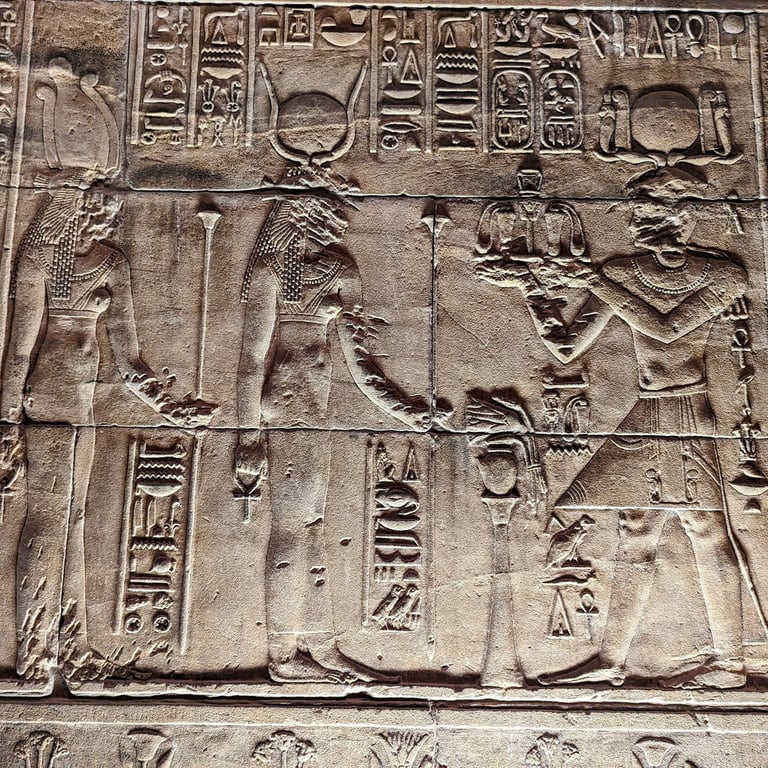
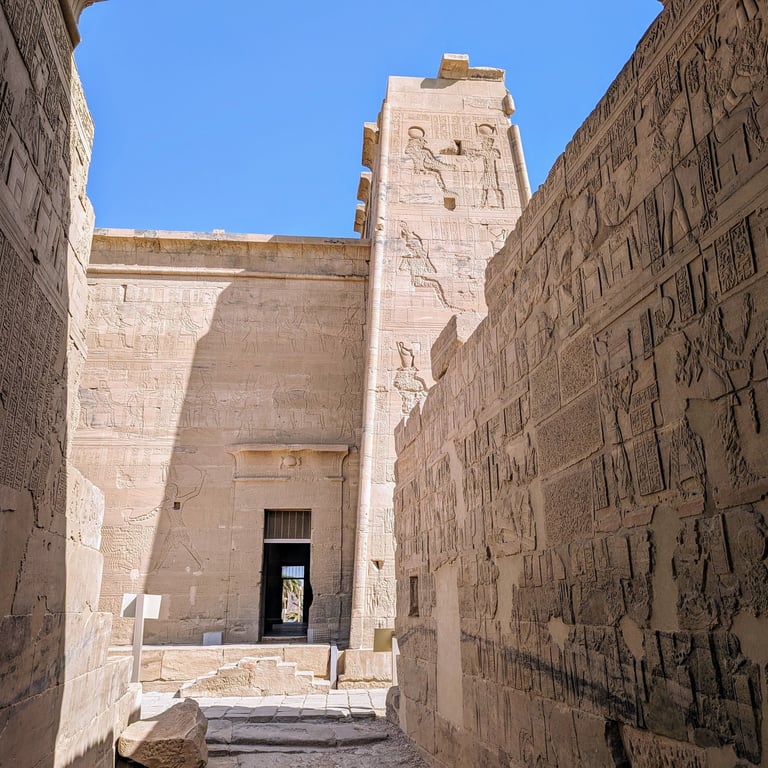
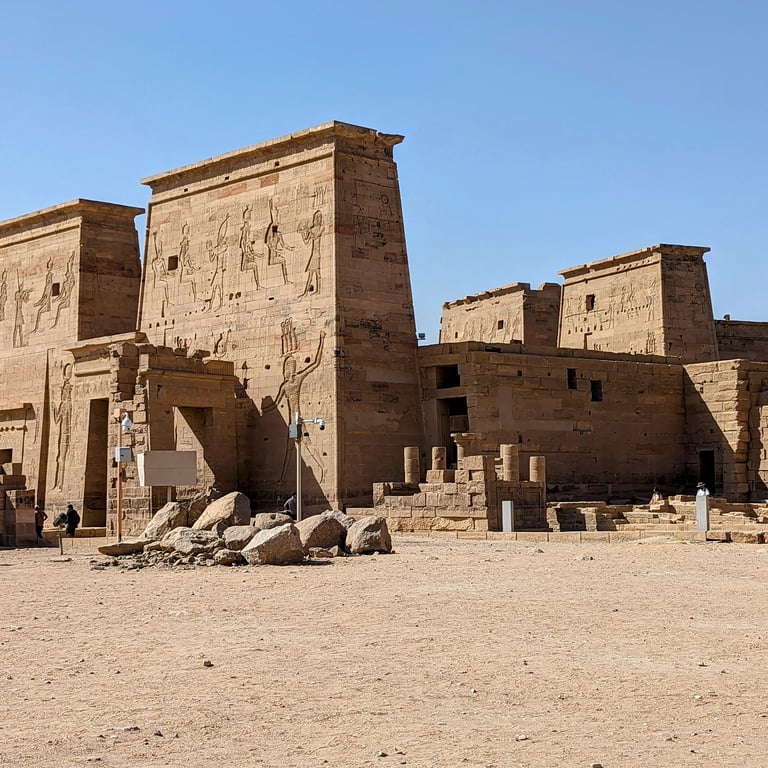
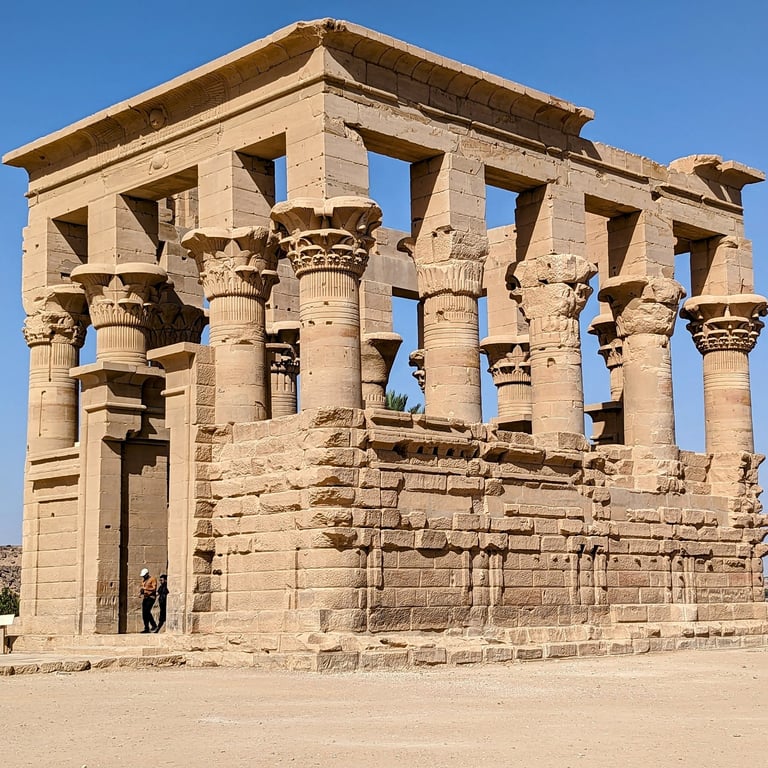
Philae Temple near Aswan
The next stop on the tour was to a "spice institute" in Aswan, but Aswan played a significant role in the ancient spice trade primarily from the New Kingdom period of Egypt (circa 1550–1070 BCE) through the Ptolemaic (305–30 BCE) and Roman periods (30 BCE–476 CE) due to its strategic location on the Nile River and its role as a gateway between Egypt and Nubia.. It served as a key transit point for goods coming from Africa, Arabia, and India, including spices such as cinnamon, frankincense and myrrh. These goods were transported along trade routes like the Incense Route and the Red Sea trade networks, reaching markets in Egypt, the Mediterranean, and beyond. Aswan’s importance was further enhanced by its control over the cataracts of the Nile, which made it a natural checkpoint for trade caravans and river transport.
During our visit to the spice institute, we were shown jars of spices, given a brief explanation of each and allowed to taste them. After the briefing, we were then given free time to look at their (overpriced) products and buy some, if we so desired. However, being as lucky as we are living in the UK, we have access to an incredible variety of spices right from the comfort of our local supermarkets, at much lower prices.
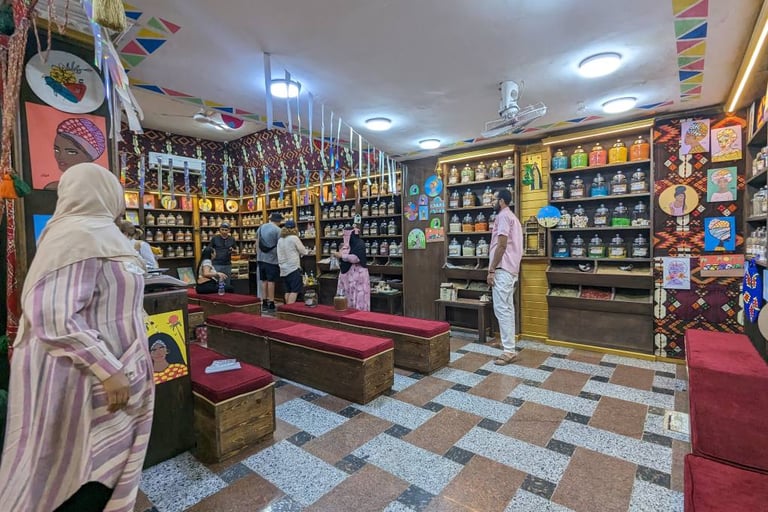
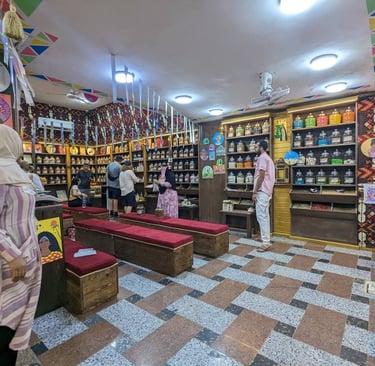
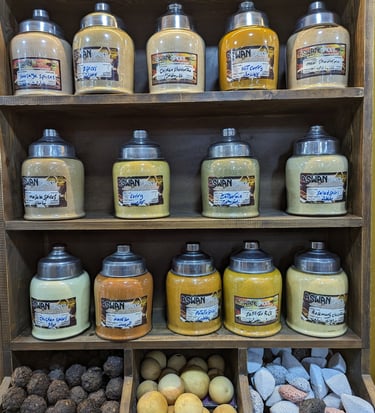
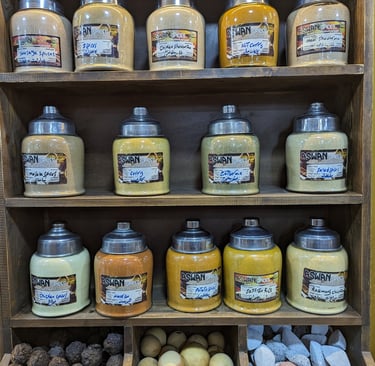
Aswan Spice Market visited on the River Nile Cruise
We were then taken back to the boat to relax and have dinner while others that had opted for the optional excursion to the Nubian Village on the West Bank went there for a sunset trip (as we had already been staying there the previous day). However, if you don't have the opportunity to go there unless with the cruise, I recommend going there as the trip on the boat is beautiful, and so is the very colourful Nubian village. But if you do have an extra day in Aswan before your cruise, it's worth chartering one of the boatsmen in Aswan to take you there at a time it's a bit more quiet - late afternoon and sunset time is absolutely mad, with people on camels running up and down the narrow streets.
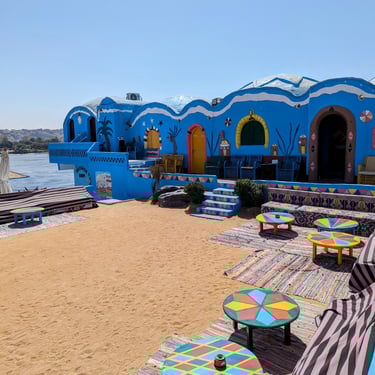
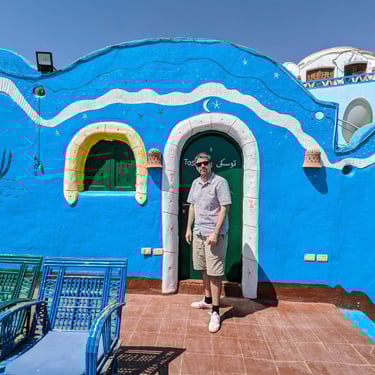
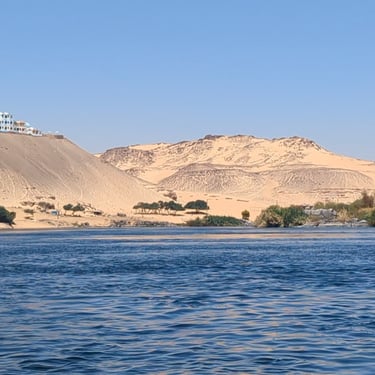
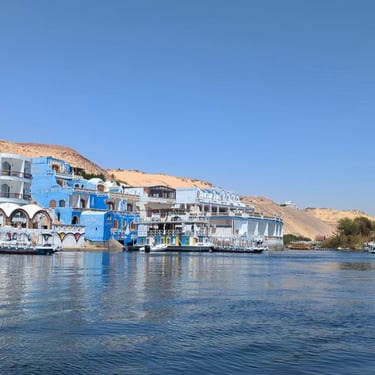
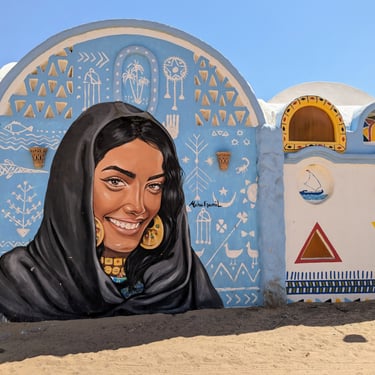
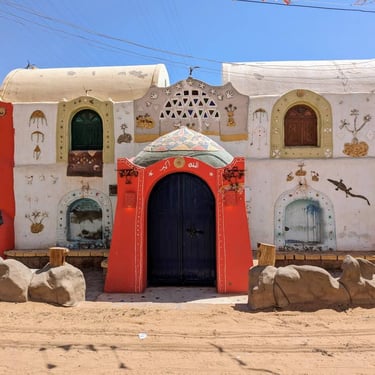
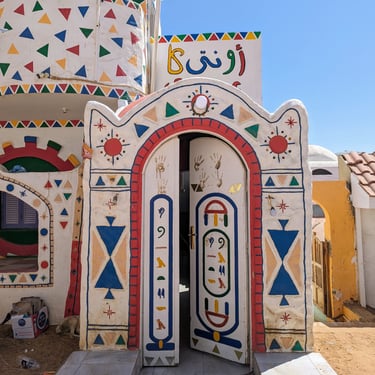
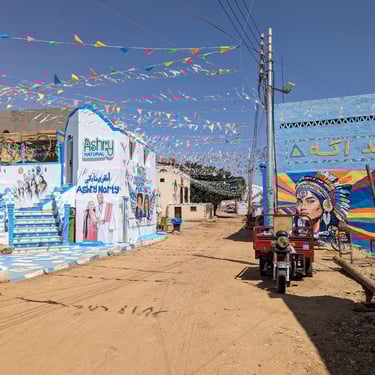
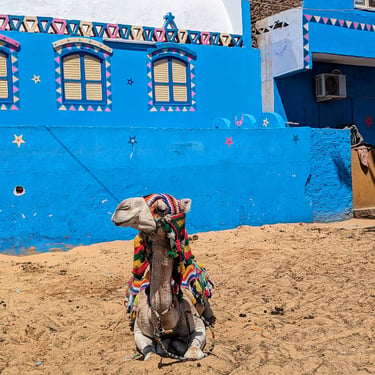
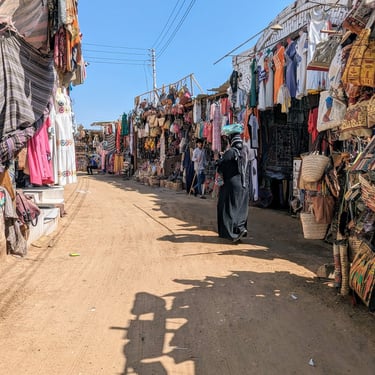
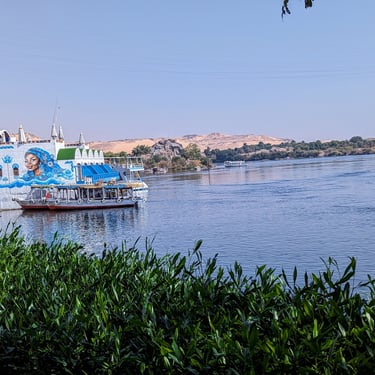
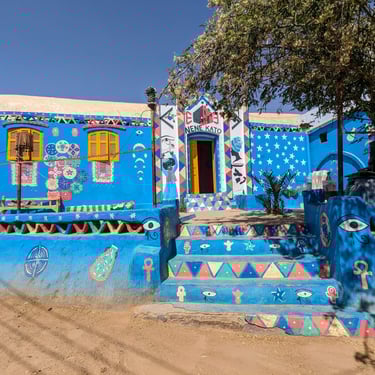
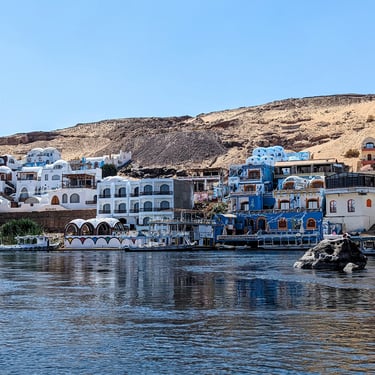
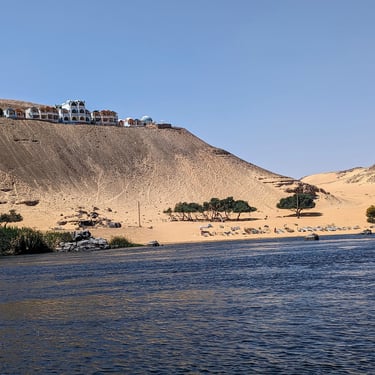
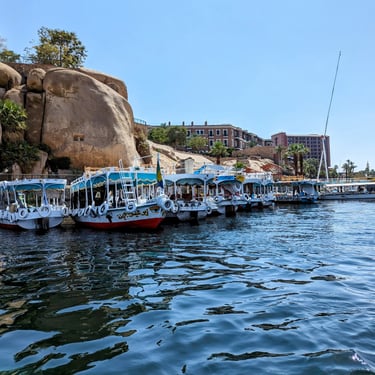
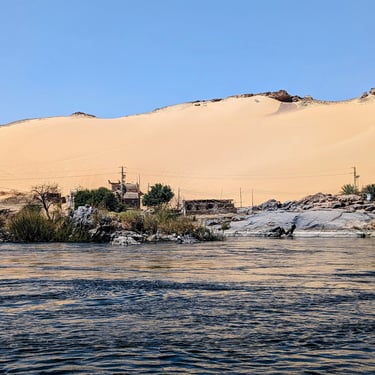
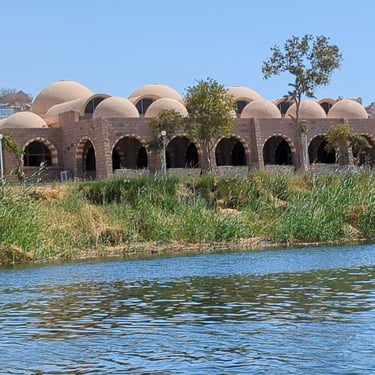
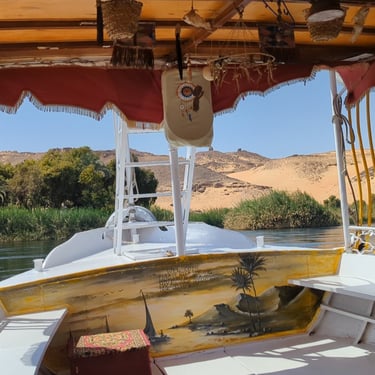
We stayed at Kato Waidi Nubian House in the Nubian Village and chartered a boat to go to Aswan
DAY 2: Abu Simbel, Aswan High Dam, Kom Ombo
Our guide asked us to be ready to leave for Abu Simbel at 4am on Day 2 of the cruise, as it was a 4 hour long journey towards the Sudanese border and we needed to catch the boat, which was sailing in the afternoon. We were given a packed breakfast box with some sandwiches, juice and water and off we went into our minivan.
It must be said, that the minivan was not comfortable. It was pretty cramped and the air conditioning didn't work very well. Certain people were also particularly unlucky with their seat, sitting above the tyres, which made the leg room even less (which wasn't much to begin with). We then made it some 30min away from our ship where we, along with many, many, many other buses, got held up at a police checkpoint for whatever reason. The police wasn't interested it us, but they weren't letting anybody pass. There was no information given. Time passed and nothing. An hour later we eventually started crawling forward, except now, because of all the hold-up, every single bus of every single cruise ship and travel agency in Aswan and surrounding area was headed into Abu Simbel at the exact same time. And once we got there, we definitely felt it.
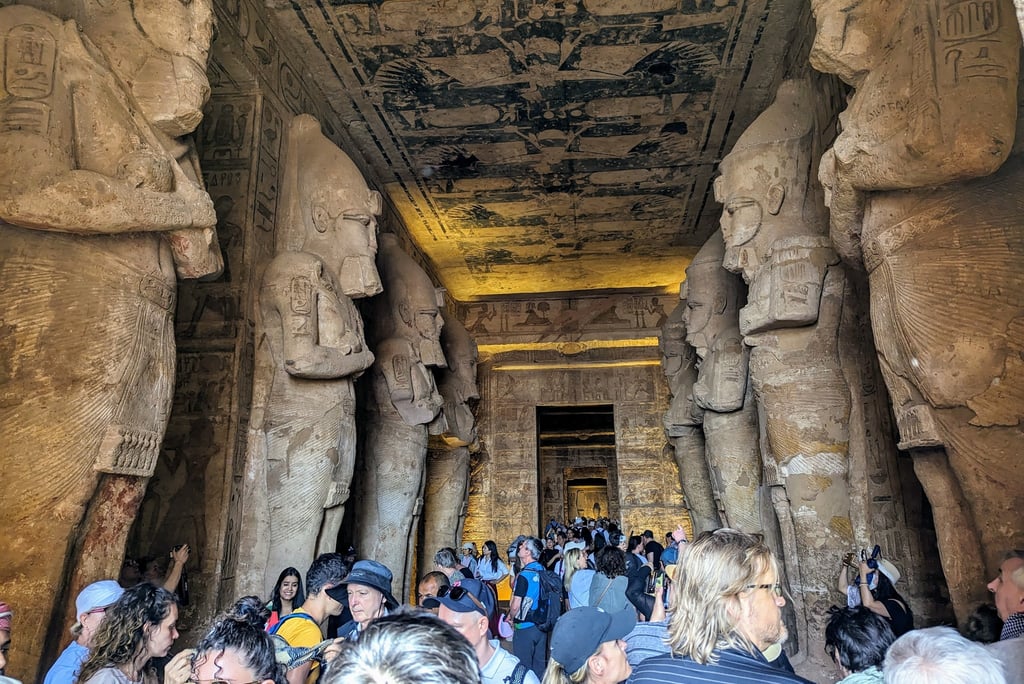
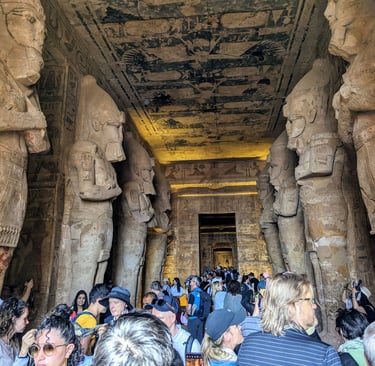
Ocean of tourists as far as the eye could see inside Abu Simbel Temple
Abu Simbel was built by Pharaoh Ramesses II almost 3300 years ago during the 19th Dynasty of the New Kingdom of Ancient Egypt. The complex consists of two massive rock-cut temples, the Temple of Ramesses II and Temple of Queen Nefertari, which was originally carved directly into a sandstone cliff. The façade of the Tempe of Ramesses II features four colossal statues of Ramesses II, each about 20 meters tall. The temple was designed so that twice a year (on February 22 and October 22), the sun aligns to illuminate the inner sanctuary, lighting up statues of deities—except for Ptah, associated with the underworld. The Temple of Queen Nefetari fatures six colossal statues (four of Ramesses and two of Nefertari, each about 10 meters. It is one of the few temples in Egypt where a queen is depicted at the same scale as the pharaoh.
Aside from the incredible feat of building this huge temple that was carved into the mountain side, a more recent feat of engineering is about as impressive. In the 1960s, due to the construction of the Aswan High Dam, the rising waters of Lake Nasser threatened to submerge Abu Simbel. A massive international UNESCO-led effort relocated the temples piece by piece to higher ground between 1964 and 1968, which involved not just taking apart the colossal statues at the front, but to cut up the entire mountain that hosts the interior of the temple into blocks, labelling them and putting them back together at higher elevation. The entire complex was dismantled and reconstructed 200 meters inland and 65 meters higher than its original location.
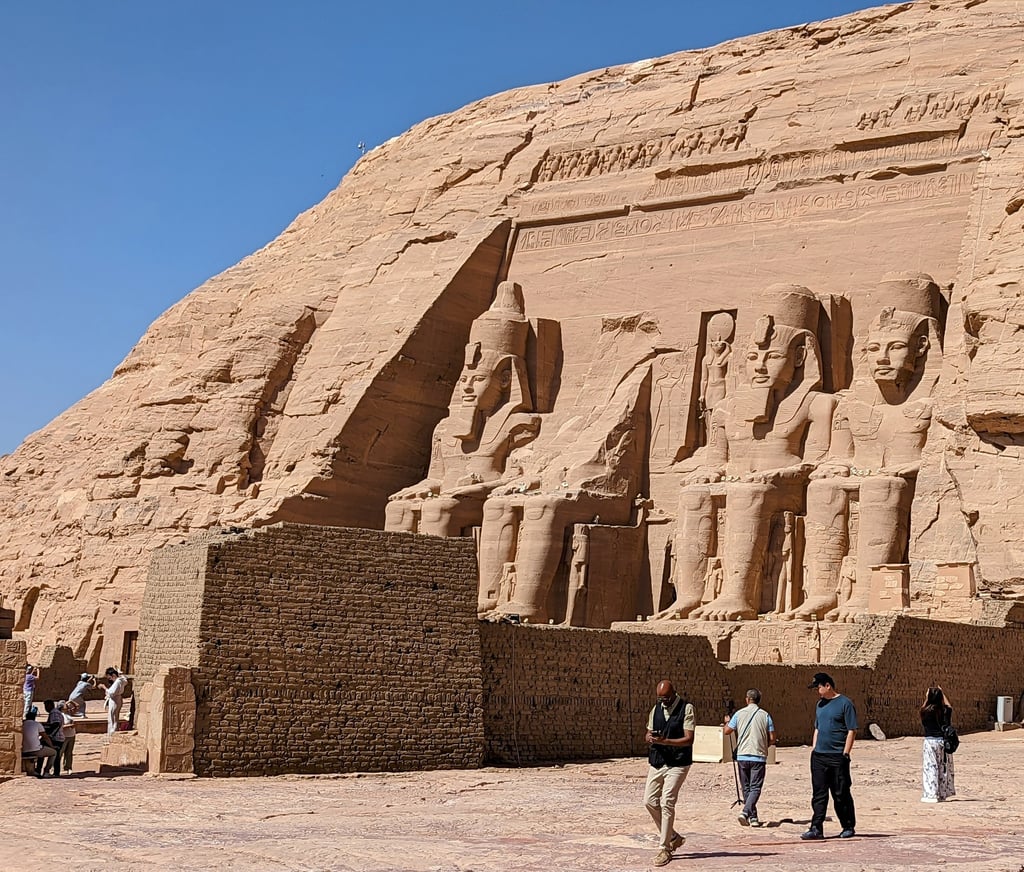
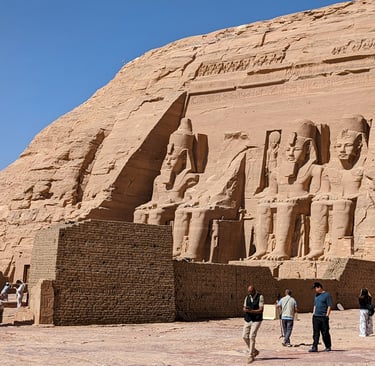
Temple of Ramesses II at Abu Simbel
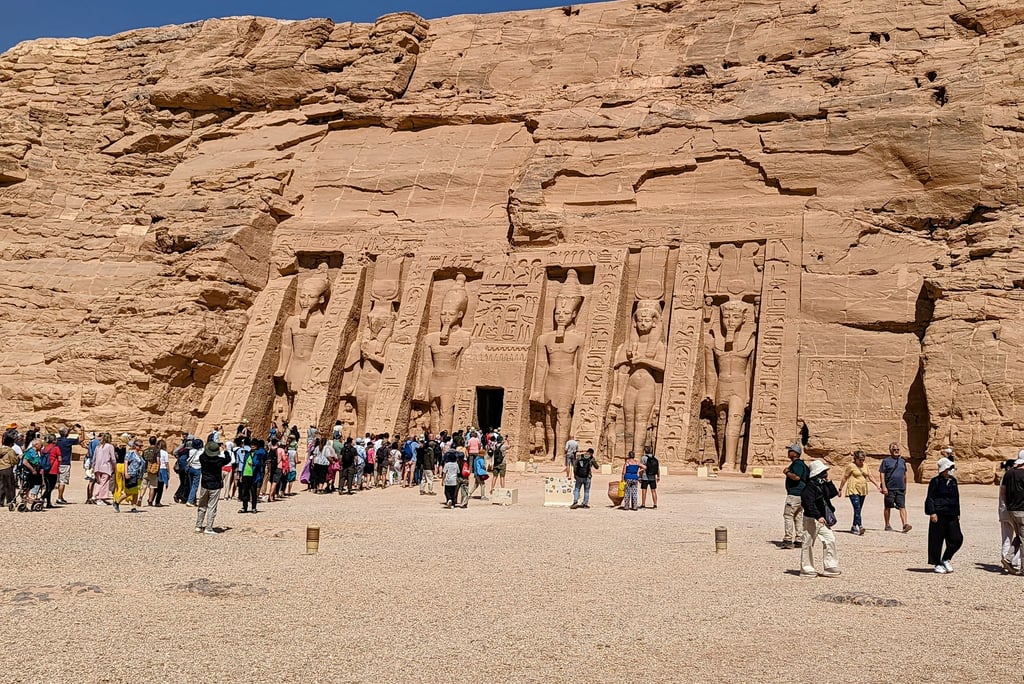
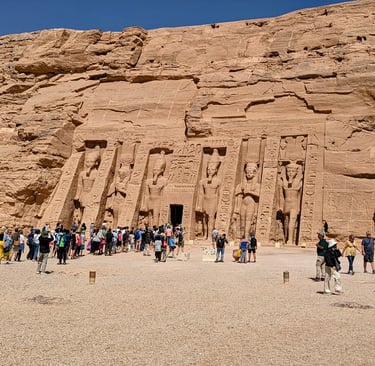
Temple of Queen Nefertari at Abu Simbel
I must say I felt a bit deflated when we finally got to Abu Simbel, as this is a place I have dreamt about visiting literally for decades. Such an awe-inspiring place but it was so crowded you couldn't move, and because we were so late due to being held back at a police check-point meant that we only had 1 hour to see this marvellous complex, when we had gotten up at 3:30am, spent 5 hours to get there and would spend another 4 hours to get back. If you are going to Egypt and feel as strongly about Abu Simbel as I did, which was almost the whole reason I wanted to go to Egypt (as well as seeing the pyramids), you may just want to hire a private driver that can leave a tiny bit later than 4am and skip the mad cruise ship, as they will largely have left by 11am. But if it isn't, then the cruise ship tour is probably fine for you, as long as the buses are a bit more staggered than they were when we were there. The temple complex is a sight to behold!
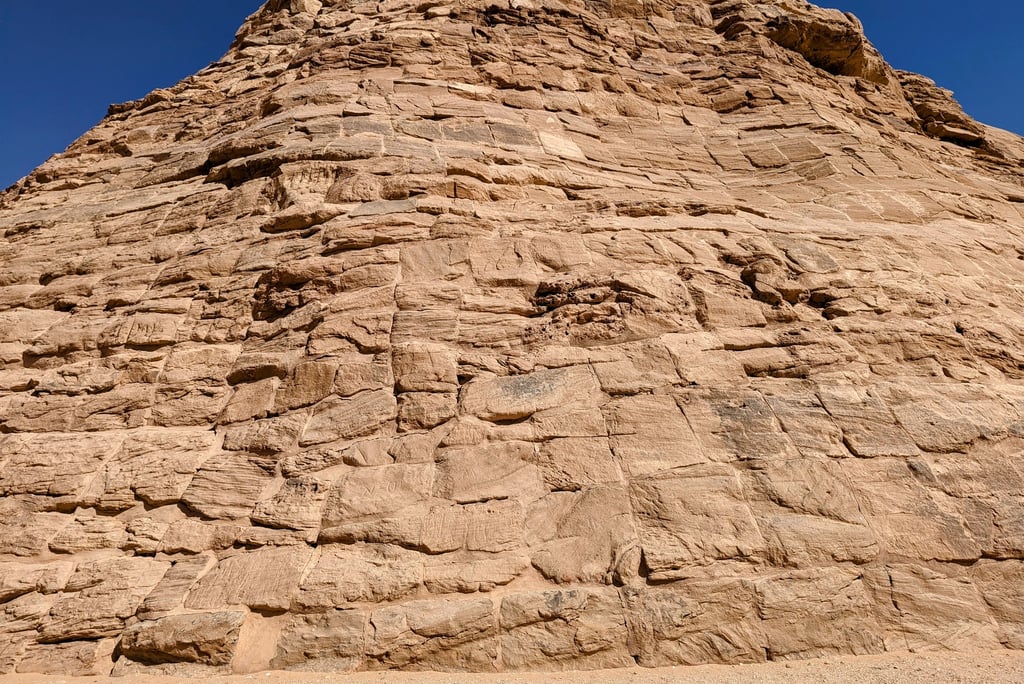
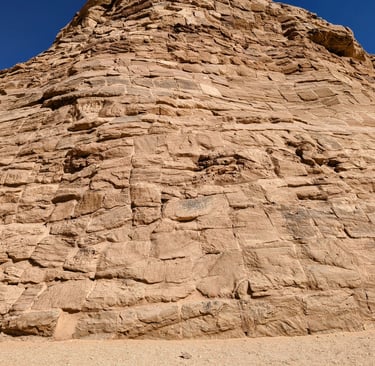
Note how the entire mountain has been cut into blocks and put back together
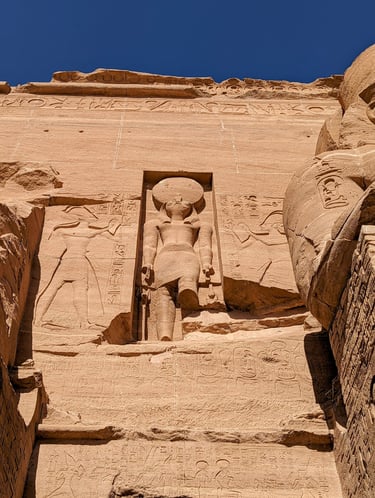
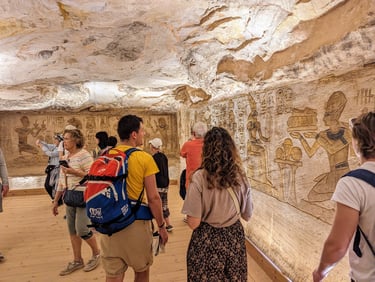
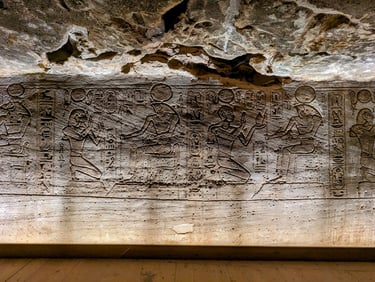
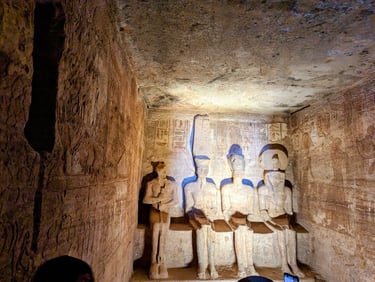
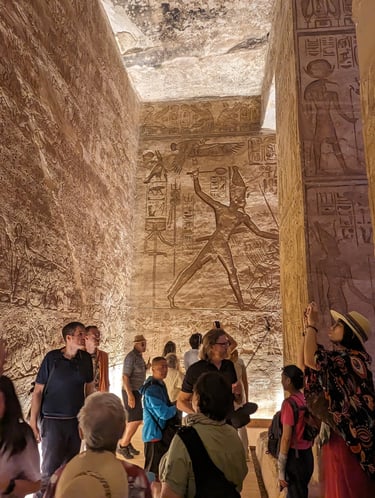
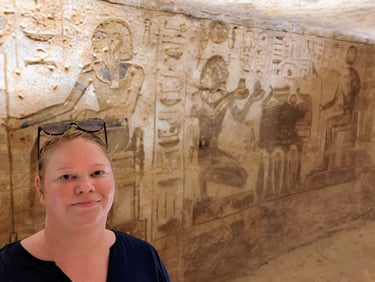
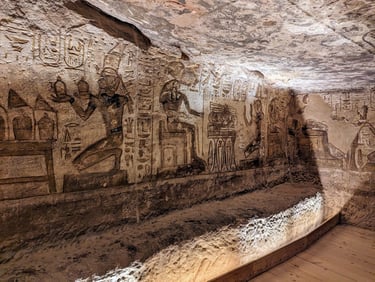
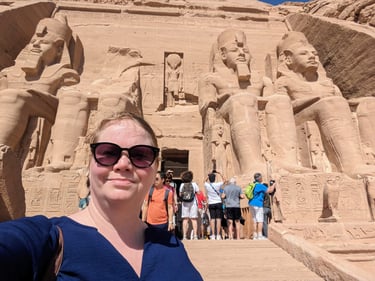
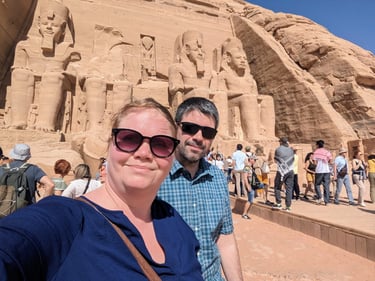
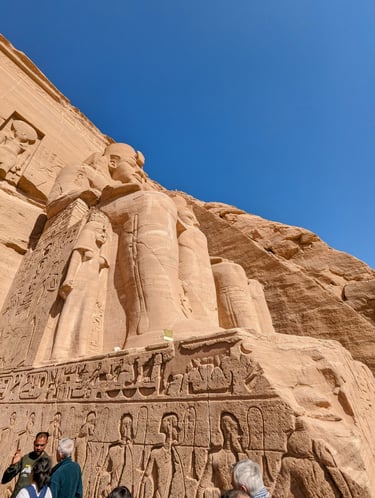
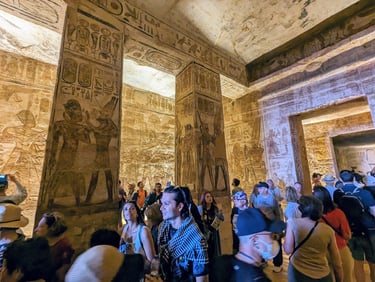
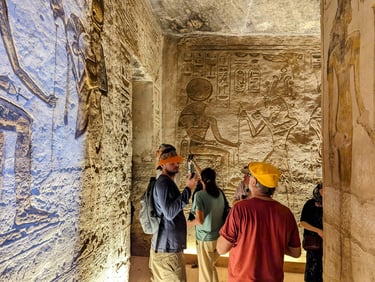
Pictures from the amazing Abu Simbel Complex near the Sudanese border
Seeing as we were quite late to go back to the boat, our guide asked us if we were interested in seeing Aswan High Dam. He said he was asking us, as many people in the past apparently had been quite disappointed and found it to be nothing special. Being such a famous dam, one assumes something similar to the Hoover Dam or some grand structures. The Aswan High Dam is one of the most significant infrastructure projects in Egypt. It was built to prevent control the River Nile's flow, prevent flooding and provide hydroelectric power. It was constructed in the 1960s by Egypt with major support from the Soviet Union. We ended up going there in the end for a quick stop, paid the EGY 200 ($4 USD) it costs to enter the dam site and low and behold.... we were as underwhelmed as previous tourists had been....
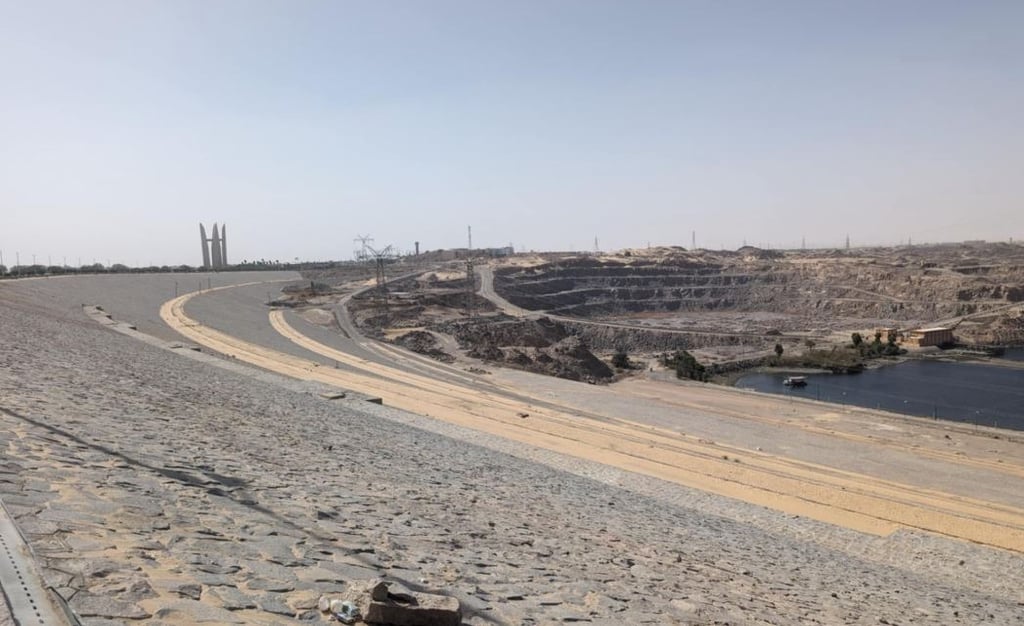
Aswan High Dam
We were rushed from Aswan High Dam to the boat which was waiting for our tour group, and as soon as we were on board the boat started sailing. The next destination was an evening visit to Kom Ombo temple. The Temple of Kom Ombo is a unique "double temple" dedicated to two gods: Sobek the crocodile god and Horus. The temple has two identical halves, each dedicated to a separate deity, with its own sanctuaries, courts, and hypostyle halls. This reflects the balance of power between the gods. It was built during the Ptolemaic period (circa 180–47 BCE) but incorporates older structures from the New Kingdom (16th–11th century BCE). Sobek was feared and revered, as crocodiles were common in the Nile. A crocodile mummification chamber was found near the temple and the 2000+ year old crocodile mummies are now on display in a museum near the temple.
The Ptolemaic period in ancient Egypt marked the reign of the Ptolemaic dynasty, a Macedonian Greek dynasty founded by Ptolemy I Soter, a general of Alexander the Great, and ended with the death of Cleopatra VII. The Ptolemies, Greek rulers of Egypt after Alexander the Great, often blended Egyptian and Greek religious traditions. This temple honored both Sobek, associated with fertility and the Nile, and Horus the Elder, linked to protection and kingship. The temple was further restored and expanded under Roman emperors, but reliefs from this period depict Roman rulers making offerings to Egyptian gods. After the temple was abandoned, it fell into ruin over time due to Nile flooding, earthquakes and stone looting. Many of its reliefs were defaced by early Christians, which can be seen inside the temple.
The entrance fee for the temple is EGY 450 and can be purchased at the gate, with the guide or online on the official Egyptian Monuments page. When we got to the temple, it was incredibly busy, but as we were getting there pretty late, we were seeing the tail end of the cruise ship traffic and towards the end of our visit, the temple was actually pretty quiet! The temple is very pretty as it is lit up in the night, so I was glad we came there at night.
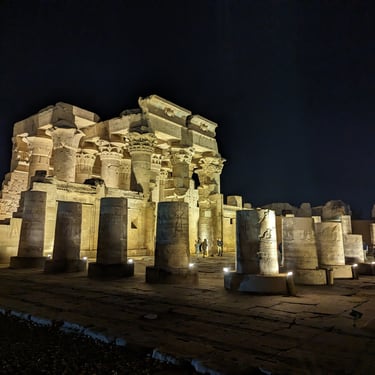
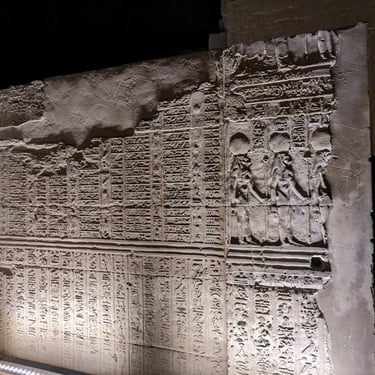
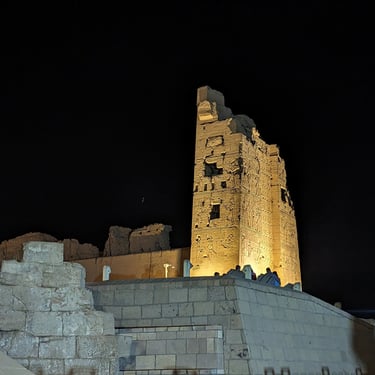
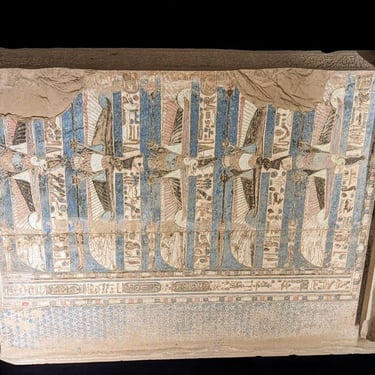
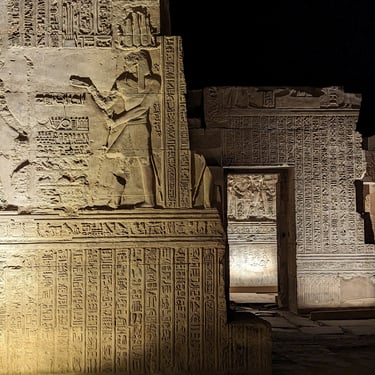
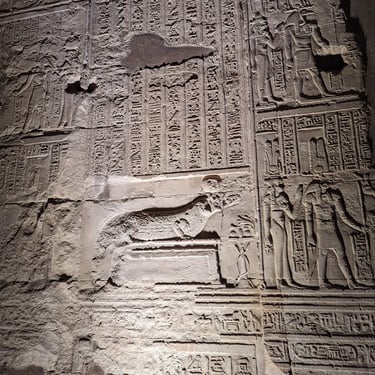
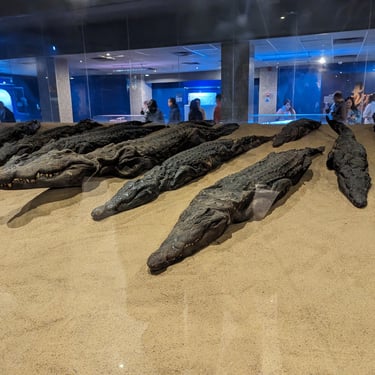
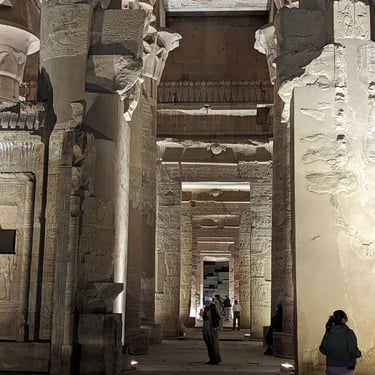
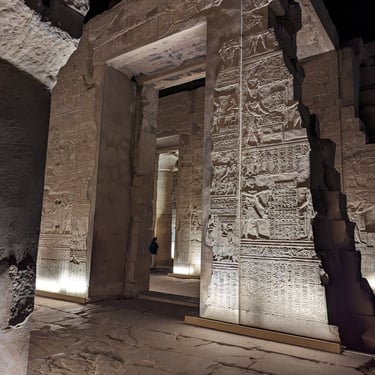
Kom Ombo at night
DAY 3: Temple of Horus
We were told to be ready for a 5:30am departure to go and see the Temple of Horus in Edfu. Typically tour groups take a horse carriage to Temple of Horus from their ship, however the agency we were travelling with listened to previous customers' complaints about the state and treatement of the horses and therefore we were taken in a minibus to the temple. Just as well.
The temple of Horus at Edfu is considered to be the most complete and the best preserved of all the Egyptian temples and is dedicated to Horus, the falcon-headed god of kingship and protection. It was built during the Ptolemaic period between the years 237 BCE and 57 BCE when Greek rulers controlled Egypt but continued traditional Egyptian religious and architectural practices. The Ptolemies sought to legitimize their rule by reviving and promoting Egyptian religious traditions, followingd classical Egyptian temple design, emphasizing continuity with Egypt’s ancient past. Hieroglyphic inscriptions depict the Ptolemies as traditional pharaohs, making offerings to the gods. During the Roman period, the temple remained an active religious center. With the spread of Christianity, pagan temples were closed, and parts of the temple were repurposed. The temple was buried under desert sand and village buildings until it was excavated by Auguste Mariette in the 19th century.
The entry price to the temple was EGY 550 and again, can be purchased with the guide, at the front gate or online. There was already a LONG queue to get in when we were at the temple by 05:50am. After having been at Abu Simbel the day before absolutely swimming in crowds of people, I didn't think we'd ever see anything busier than that but I was wrong. The Temple of Horus is a bottleneck temple on the Nile cruises and eeeeeeeeverybody goes there at the same time first thing in the morning. If you are in Egypt and NOT doing a Nile cruise, you should probably avoid being there first thing in the morning. Just trying to take photos that were not like this was extremely hard:
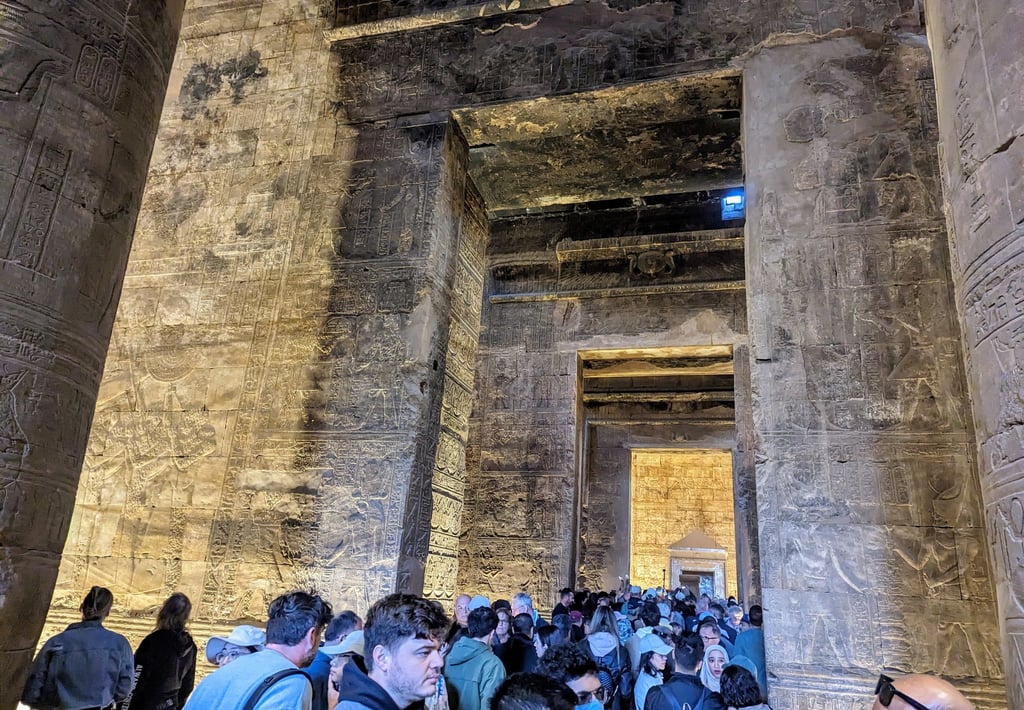
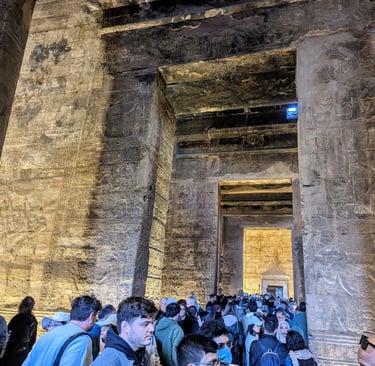
Extremely busy Temple of Horus first thing in the morning
The temple did look very cool, like something out of Legend of Zelda, but I didn't get many photos at all because there was just not much opportunity due to the crowds. I did find a few slightly quieter pockets though.
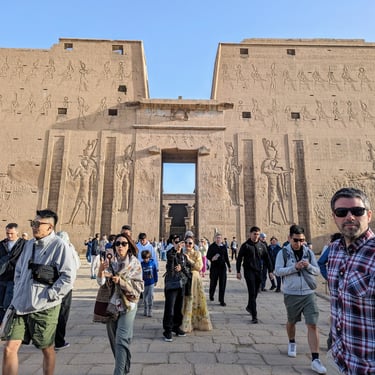
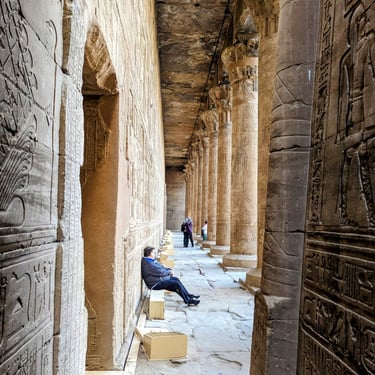
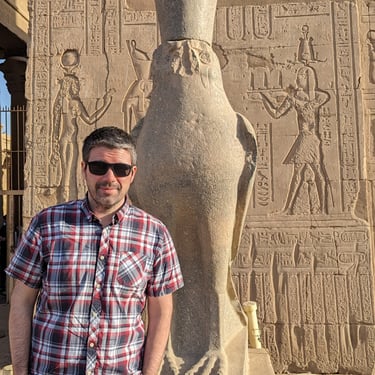
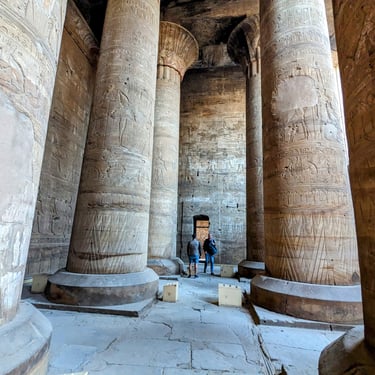
Temple of Horus in Edfu
Gosh, was I glad when we got out of there and back on the boat. Little did we know though that this was going to be the only excursion of the day. We were meant to go at least to Luxor Temple at night time, but we ended up getting stuck in a queue to enter Esna Lock, which caused us to be so late that it was not worthwhile going to Luxor Temple by the time we finally got to Luxor. So the day was just pure sailing.
After the rather horrible experience of crowds at Temple of Horus, with Kom Ombo and Abu Simbel also having been pretty overrun as well, several of us were considering just abandoning the tour to be able to avoid being at all the temples at the exact same time as all of the cruise ship passengers at once. However, after speaking with our tour guide, he agreed we'd adjust the itinerary to avoid the crowds, especially as he had a strong suspicion that our hot air balloon tour first thing in the morning would likely be cancelled due to strong winds, meaning we could win some time.
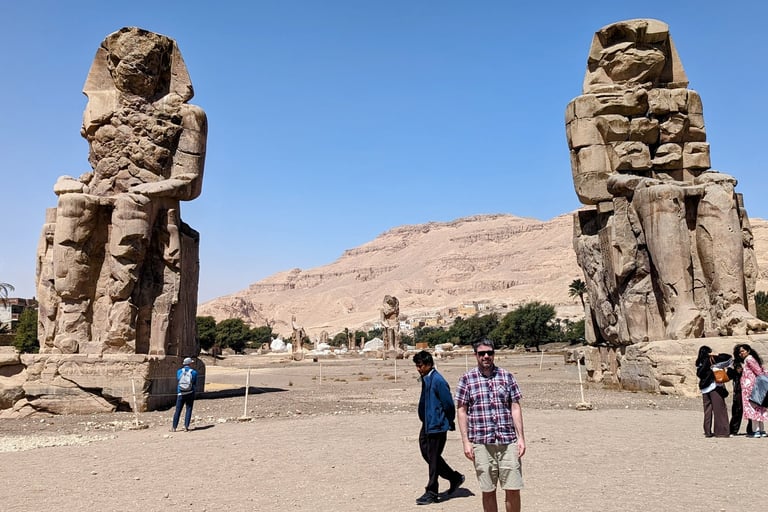
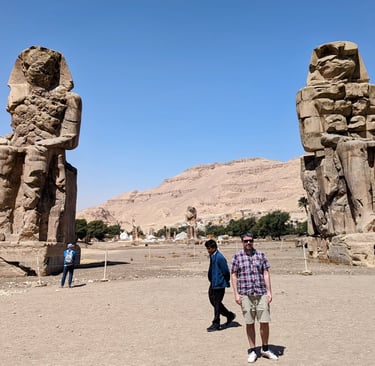
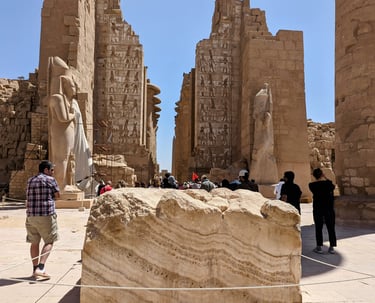
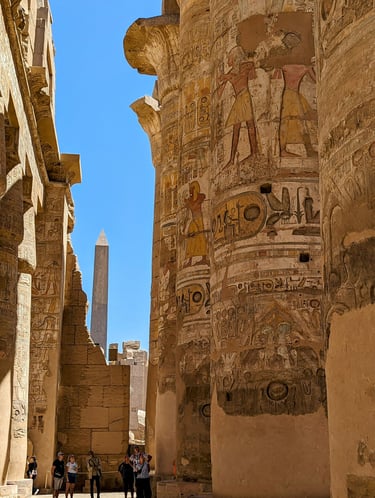
DAY 4: Hot Air Balloon, Valley of the Kings, Hatshepsut Temple, Colossi of Memnon, Alabaster factory, Karnak Temple and Luxor Temple
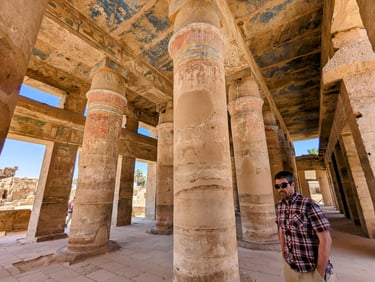
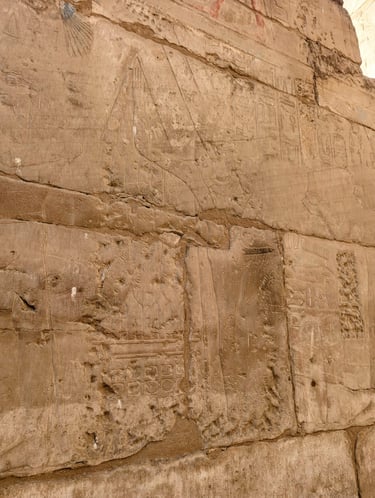
Due to the fact that we got stuck at Esna Lock on the river for such a long time they day before, we hadn't been able to visit Karnak Temple or Luxor temple in the afternoon, as planned in the itinerary. Therefore we had an extremely busy 4th day.
Follow us on Social Media for travel updates and top tips!
© 2026. All rights reserved.



I can't recommend Pimsleur enough for learning a new language! If you don't believe me, try for your self - All Access FREE for 7 days on signup.