Kefalonia - a self-drive holiday guide
We went to this beautiful Greek island several years ago and travelled all around it by car. This article shows you the best places to go.
TRAVELEUROPE
Table of Contents
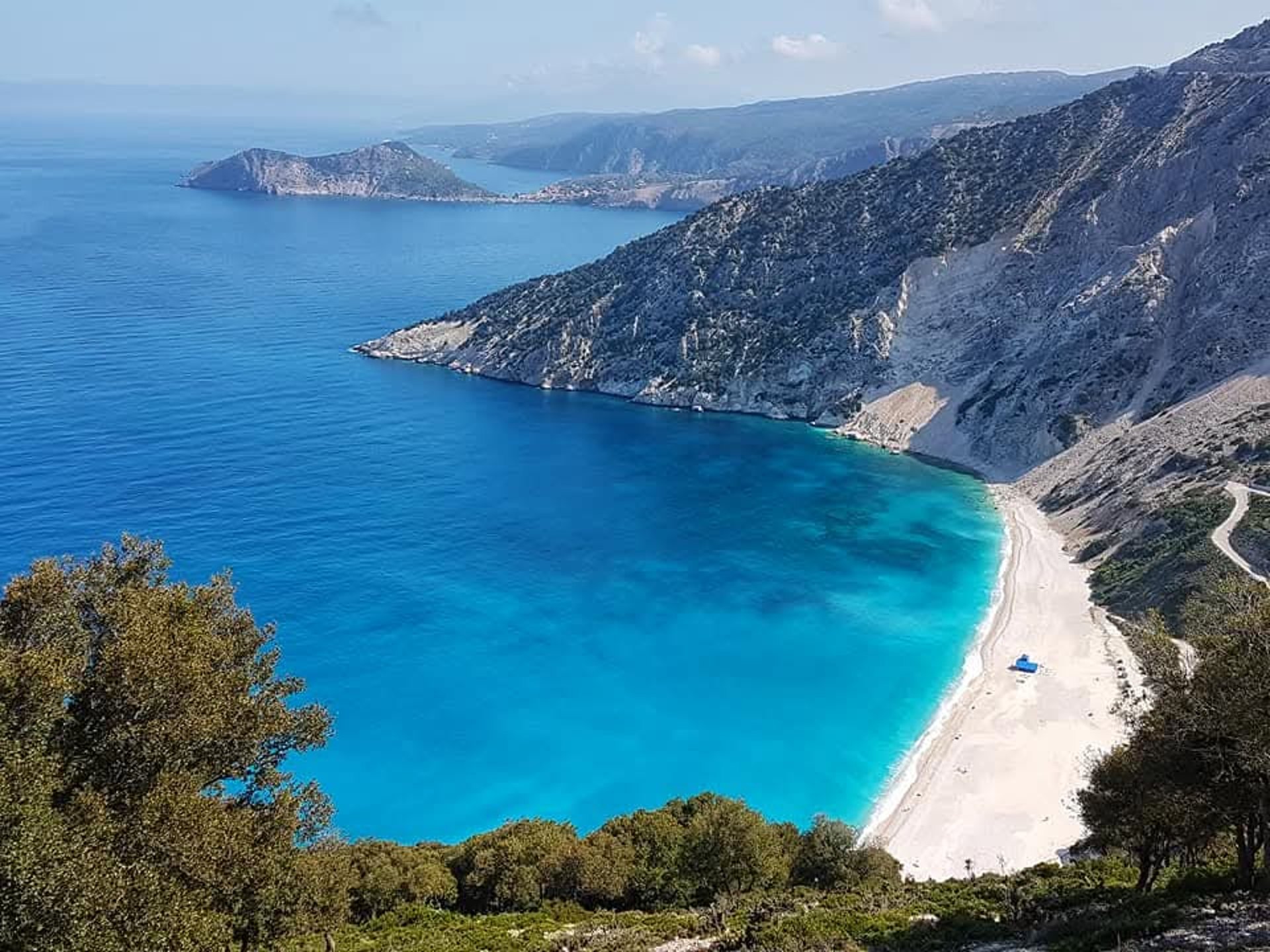
Best places to see in Kefalonia
We went on a super cheap 1 week holiday to Kefalonia back in 2018, where we got flights, checked luggage, airport transfers and accommodation for 7 nights in Kefalonia for just £320 GBP per person from Glasgow. It was just at the start of the summer season in Kefalonia, so therefore it was a bit cheaper. We didn't actually need our airport transfers, as we had rented a car (also cheap as chips), so we simply just drove off and to our booked accommodation. As we didn't have to hang around for the transfer, it meant we were the first passengers to arrive at our hotel, so we got the chance to choose the room we best liked, with a balcony that was a bit more private, but still overlooking the pool. Our hotel was simple, in a rural village, but had everything we needed, including a place to park our car.
During the 1 week that we spent in Kefalonia we:
Spent some time at our local hotel and nearest beach in Lourdas
Went on four trips:
Daytrip 1 - Self-drive taking in the main sights:
Myrtos Beach
Assos town
Fiskardo town
Drogarati Limestone Cave
Melissani Cave and Lake
Antisamos Beach
Daytrip 2 - Self-drive beach hopping to further-away beaches:
Xi Beach
Vouti Beach
Daytrip 3 - Self-drive around the area near the capital:
Argostoli - the island's capital
Agios Georgios Castle
Robola Winery
Daytrip 4 - Organised daytrip with ferry to the island of Ithaka:
Stavros
Kioni
Vathy
How to get to Kefalonia
There are lots of direct flights from European airports to Kefalonia. In our particular case, we got an amazing fairly last-minute deal early in the season with Jet2Holidays from Glasgow. As usual, the best way to check how to get somewhere as directly as possible, and how to find out who (as in what airline) will actually take you there, is by using one of my favourite websites; FlightConnections.com. Below is a snapshot for the particular routes to Kefalonia:
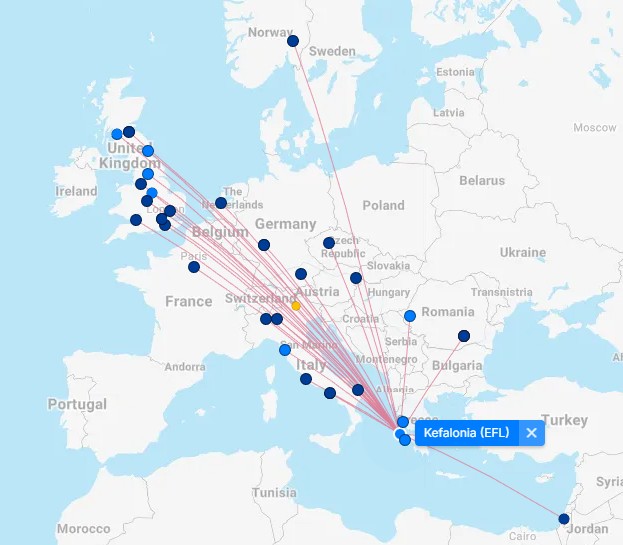
Direct flights to Kefalonia from European airports
Where to stay in Kefalonia
We only just stated in the Lourdas area on the western coast of the island near the island's capital Argostoli and near the airport, which was very convenient. Where you'd like to stay in Kefalonia depends on your preference, but tourist hotels tend to be centred around the airport near Avithos Beach, Lourdata (west coast), Skala (south coast), Poros, Sami and Agia Effimia (east coast), as well as the island capital, Argostoli. The villages of Fiskardo and Assos are incredibly charming too, if you're able to find anything there.
Some of the beaches are pebble beaches, so if you're looking for a beach holiday and don't like pebble beaches, maybe research that aspect to narrow down your search.
We also noticed that villages are often up in the hills rather than bang on the seafront. I suspect the reason for that is risk of tsunami, as is the case in La Serena where I used to live in Chile. While there are some properties by the sea, the vast majority is up in the hills.
While our hotel in Lourdata area was perfectly nice, I think if I was going again, I'd probably be looking into renting a villa with a private carpark, preferably with a pool, especially following our Cyprus trip where we did just that, and it just made the holiday that much more amazing. However, at the silly price point we paid when we did go to Kefalonia with Jet2Holidays (£320 per person including flights and accommodation), we can't really complain!
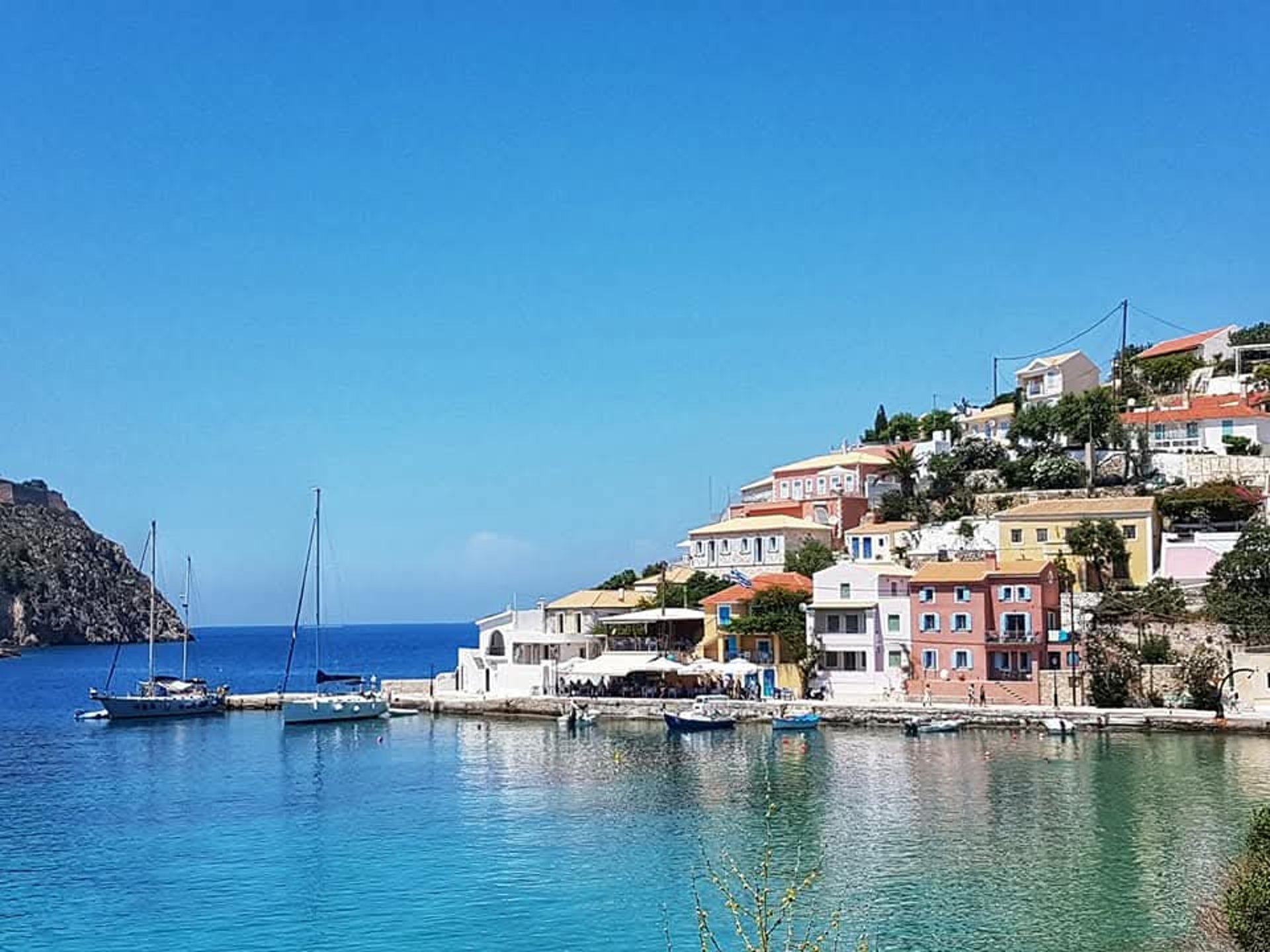
Island Hopping from Kefalonia
We didn't do this while we were in Kefalonia, aside from a quick daytrip to the nearby island of Ithaka, as we already had plenty to explore just on Kefalonia itself for the week that we were in Greece. However, there are options for island hopping using ferries rather than cruise lines for independent travellers. It's something that we'd definitely be interested in doing next time we go to Greece, so I decided to include details relating to Kefalonia here.
Ferry routes from Kefalonia include:
Fiskardo to Vasiliki on Lefkada Island
Fiskardo to Frikes on the Greek mainland
Sami to Paxi on Paxos Island
Sami to Aetos on Ithaka Island
Sami to Patra on the Greek mainland
Sami to Bariin Italy.
Poros to Nidrio on Lefkada Island
Poros to Vathy on Ithaka Island
Poros to Killini on the Greek mainland
Poros to Zakinthos on Zante Island
Pesada to Agio Nikolaos on Zante Island
Lixouri - Killini on the mainland
Most of the above routes are serviced by a company called Levante Ferries. The route between Bari in Italy to Kefalonia is run by Ventouris Ferries.
Interesting facts about Kefalonia
Geography
Kefalonia, also often spelled as "Cephalonia", is located west of the Greek mainland in the Ionian sea and thus forms part of the Ionian Islands. There are about 36,000 permanent inhabitants on the island and they receive about 500,000 tourists annually. Corfu and Lefkada Islands are to the north, Ithaka Island to the east and Zante Island to the south. The island's capital is Argostoli, which has the highest population density on the island.
Geology
Most of Kefalonia Island is made of Upper Cretaceous limestones. The Upper Cretaceous Period (Late Cretaceous) was the final, longest epoch of the Cretaceous Period, lasting from about 100.5 million years ago to 66 million years ago. There are also some older Triassic-Jurassic limestones (c.a. 200 million years old) in the eastern parts of the island. Most of the beaches on Kefalonia reflect this geological origin, with the coasts lined with white rounded pebbles of limestone. There's also impressive cave systems formed by dissolution and sink holes within the limestone, several of which can be visited on organised tours, like Drogarti and Melissani.
Kefalonia lies in one of the most seismically active parts of the Mediterranean. There are several thrust-belt with faults that run in approximately north-to south trend, along with a transform fault (strike-slip) named Kefalonia Transform Fault Zone (KTFZ) just west of the island, which drives much of the earthquake activity in the region. The biggest more recent earthquakes include the two 5.7-5.8 magnitude earthquakes in 2014, a 7.0 magnitude earthquake in 1983 and the catastrophic 1953 Ionian Earthquake Sequence which involved multiple earthquakes of 6.3 to 7.2 magnitude, which destroyed nearly all of Kefalonia as well as neighbouring islands of Zante and Ithaka with hundreds of people dying. However, there's no need to worry about earthquakes - even though they do happen, they are extremely rare.
History
Ancient Greece
In antiquity, Kefalonia (Kephallenia) was inhabited from the Mycenaean era and later formed part of the ancient Greek world, though it was politically fragmented into four main city-states: Sami, Pale, Krani, and Pronnoi. The island appears in Homer’s Odyssey as part of Odysseus’ realm, giving it lasting mythological significance. Its strategic location in the Ionian Sea made it important for trade and naval movement, and over time it came under the influence of larger powers, including Corinth, Athens, and later Rome.
World War I & World War II
During World War I, Kefalonia was relatively peripheral but strategically relevant as Greece navigated neutrality and later Allied alignment. In World War II, the island was occupied first by Italian forces (1941–1943). After Italy’s surrender, German troops took control and carried out the Massacre of the Acqui Division, one of the largest WWII atrocities against Italian soldiers. About 5,000 soldiers were executed, and around 3,000 more drowned. The occupation caused severe hardship for civilians through famine, repression, and destruction.
Modern Kefalonia
Modern Kefalonia was profoundly shaped by the 1953 Ionian earthquakes, which destroyed most settlements and led to mass emigration and a complete rebuilding of the island with strict anti-seismic architecture. Since the late 20th century, tourism has become the backbone of the economy, alongside agriculture and shipping ties. Today, Kefalonia is known for its natural beauty, resilient communities, and strong local identity, while continuing to live with the reality of frequent seismic activity.
Food & Drink
Food in Kefalonia is much the same as you get elsewhere in Greece, with all the delicious typical classic favourites available at restaurants, including:
Moussaka: Layers of eggplant (sometimes potato), spiced minced meat, and creamy béchamel.
Souvlaki: Grilled meat skewers (pork, chicken, or lamb), often wrapped in pita with tomato, onion, and tzatziki
Gyros: Similar vibe to souvlaki but shaved meat from a vertical rotisserie.
Pastitsio: Greek “lasagna” with pasta, meat sauce, and béchamel on top
Greek Salad: Tomato, cucumber, red onion, olives, feta, olive oil.
Spanakopita: Spinach and feta wrapped in crispy filo pastry.
Baklava: Layers of filo, nuts, honey syrup.
There are also some more traditionally Kefalonian dishes, including:
Kleftiko: Slow-cooked lamb, traditionally sealed and cooked for hours, wrapped in parchment paper (or foil nowadays), cooked with garlic, lemon, oregano, sometimes potatoes.
Kreatopita Kefalonias: Signature dish of the island, which is a meat pie with mixed meats (lamb, pork, sometimes goat or beef), cooked with rice, tomato, spices, and herbs inside Baked in a thick crust.
Bourdeto (or Bourdetto): A spicy fish stew, usually with scorpion fish in red sauce with chili and garlic.
Bakaliaros Skordalia: Salt cod with garlic-potato puree.
Rigganada: Toasted bread with tomato, olive oil, oregano and sometimes feta.
Rovani: Not Kefalonian per ce, but Ithakan. It's a traditional sweet often served at weddings and celebrations. It is a dense, caramelised cake-like dish made primarily from ground rice, olive oil, honey, and sugar, frequently garnished with cloves or almonds.
Another thing that's typically Kefalonian is the Robola Wine, which is the most famous product of Kefalonia. It's a dry white wine from grapes grown on Mt Ainos and has a protected designation of origin. There are wineyards that you can visit while you are there to taste and buy the local wine.
Driving in Kefalonia
We rented a car for our duration in Kefalonia and I HIGHLY recommend it. Things are quite spread out unless you're staying in Argostoli, so if you want to go anywhere, you're really best having a car. Driving is easy - the people living in Kefalonia are pretty laid back, driving there is not stressful at all. I guess the most stressful thing can just be the narrow hilly roads at times, but it's not too bad at all. Distances aren't too great either, even if things are spread out, so you'll never spend too much time on the road.
What I would say though, that some of the TOP tourist attractions do have limited parking space. We tried going down to Myrtos Beach car park, only to have to turn back as there was literally nowhere left to park (go here very early if you plan to go by car!)
Another thing that I found wildly confusing driving in Kefalonia, and this may apply to all of Greece, is that they don't operate roundabouts the same way as most countries. When you're driving around a roundabout, you're expected to stop inside the roundabout to let people into the roundabout. Likewise, if you are on your way into a roundabout and somebody stops, don't stop and wait for them to continue, you'll be holding everybody up. How this is considered efficient way of using a roundabout is beyond me, but you've been warned!
Food and drink in Kefalonia
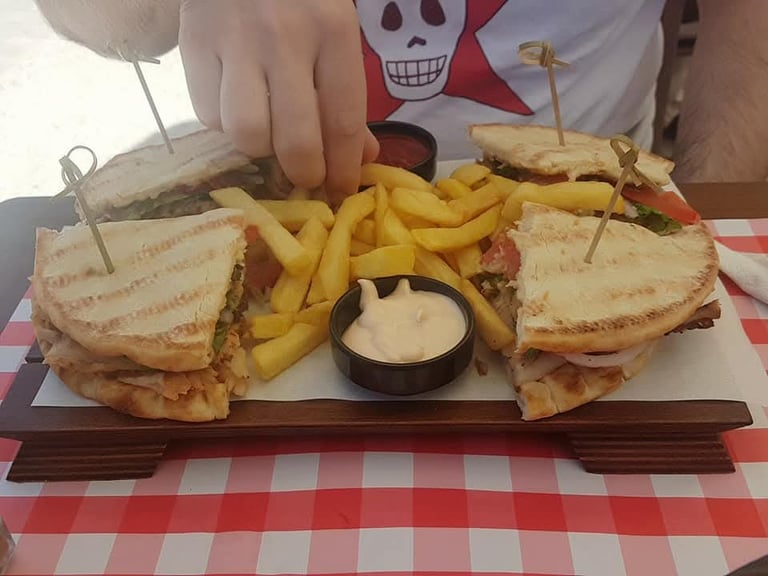
Some sort of Megagyros
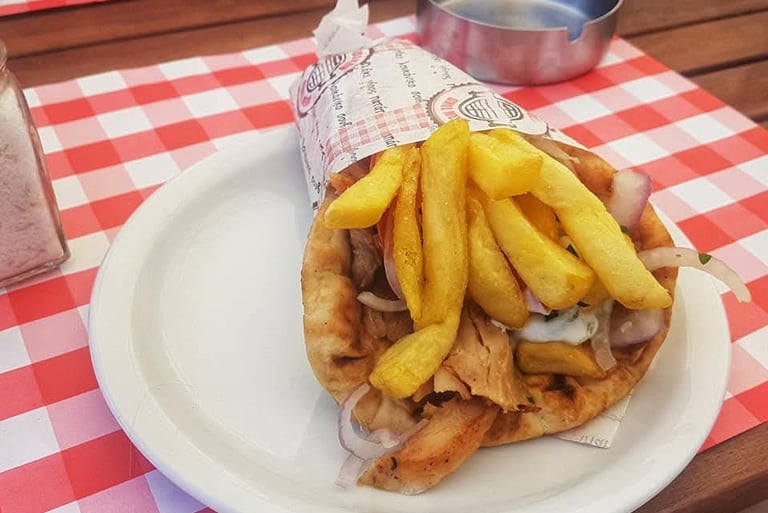
Proper gyros
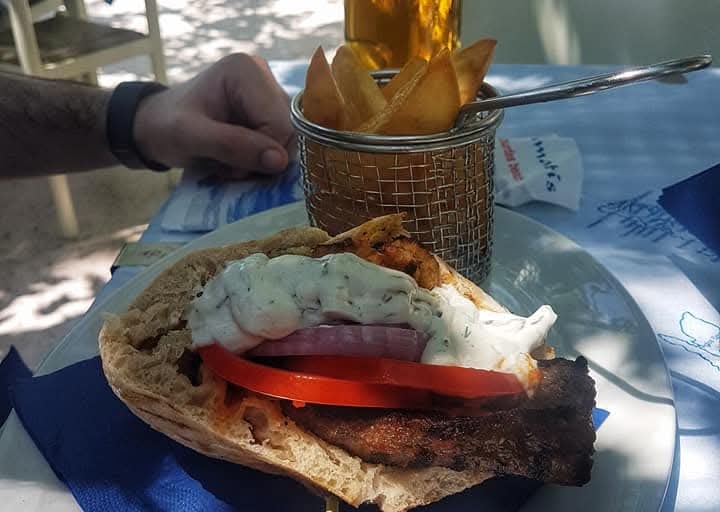
Pita with chips at our local beach bar
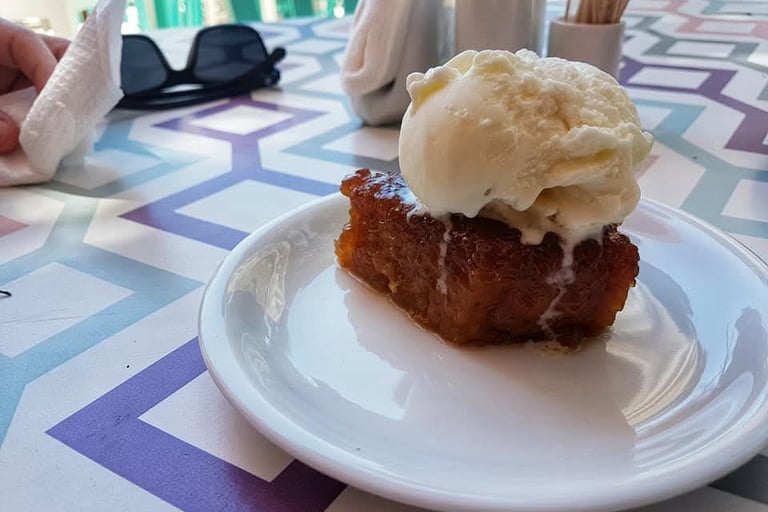
Ithakan Rovani dessert
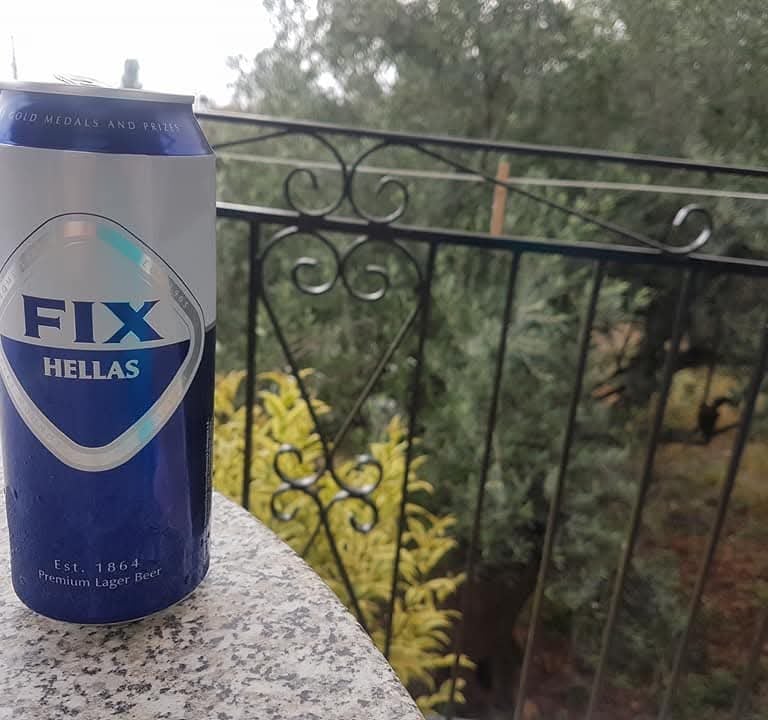
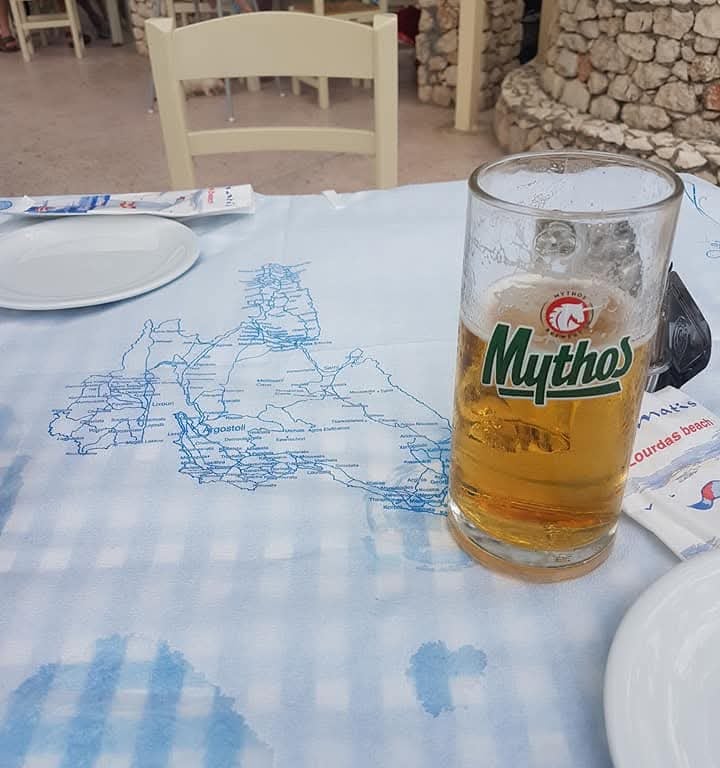
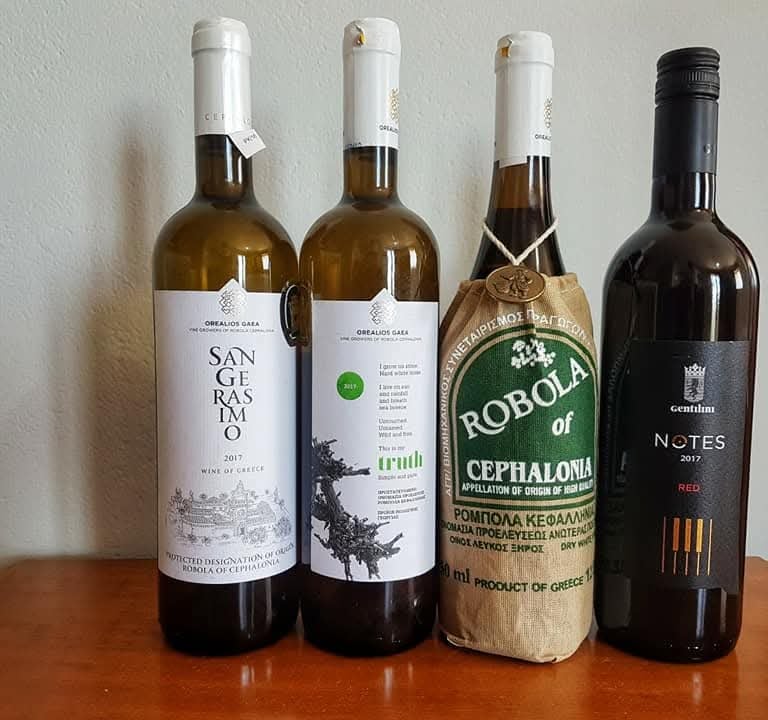
Classic Greek lagers and local Kefalonian wines
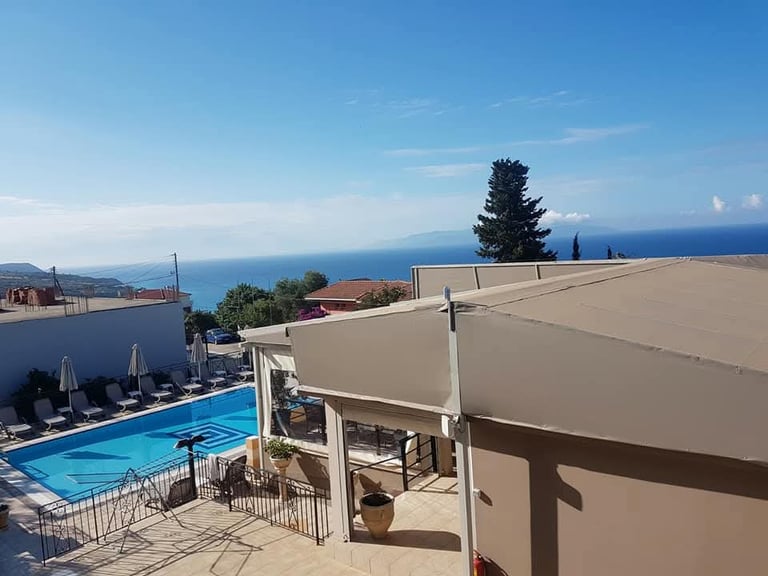
Our Kefalonia hotel, Saoulas Studios in Lourdas
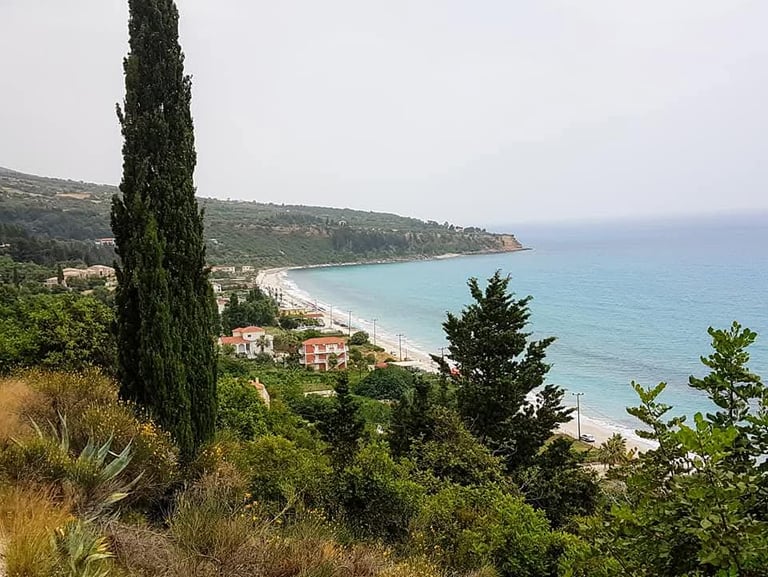
The trek from the hotel to Lourdas beach
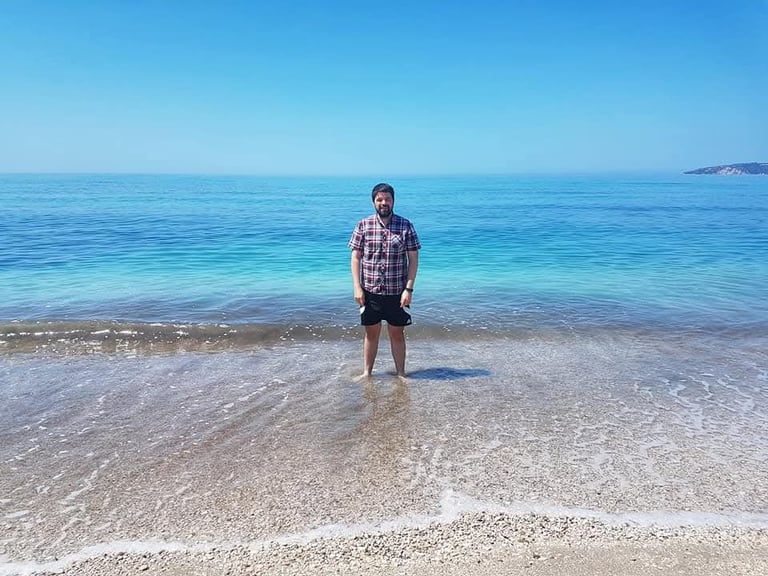
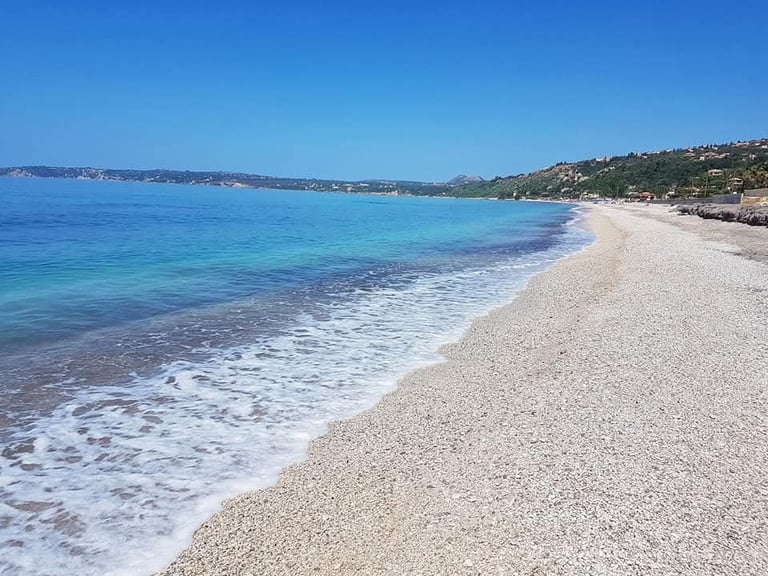
Our local beach at Lourdas
Lourdata Area
Our accommodation was in Lourdata/Lourdas area. Most of the accommodation options are situated on a hill, with rough trails to the beach below. The beach is a pebbly beach where limestone is the dominant pebble, with beautiful warm waters. There are a handful of restaurants serving good Greek food at reasonable prices by the beach too. We stayed at a place called Saoulas Studios, with a terrace / balcony overlooking the hotel pool and the Ionian sea.
Daytrip 1 - Self-drive taking in the main sights of Kefalonia Island
On our first daytrip we covered what I'd call "The Best of Kefalonia", which includes Myrtos Beach, Assos town, Fiskardo town, Drogarati Limestone Cave, Melissani Cave Lake and ended up on Antisamos Beach. The driving itinerary is shown on the map below.
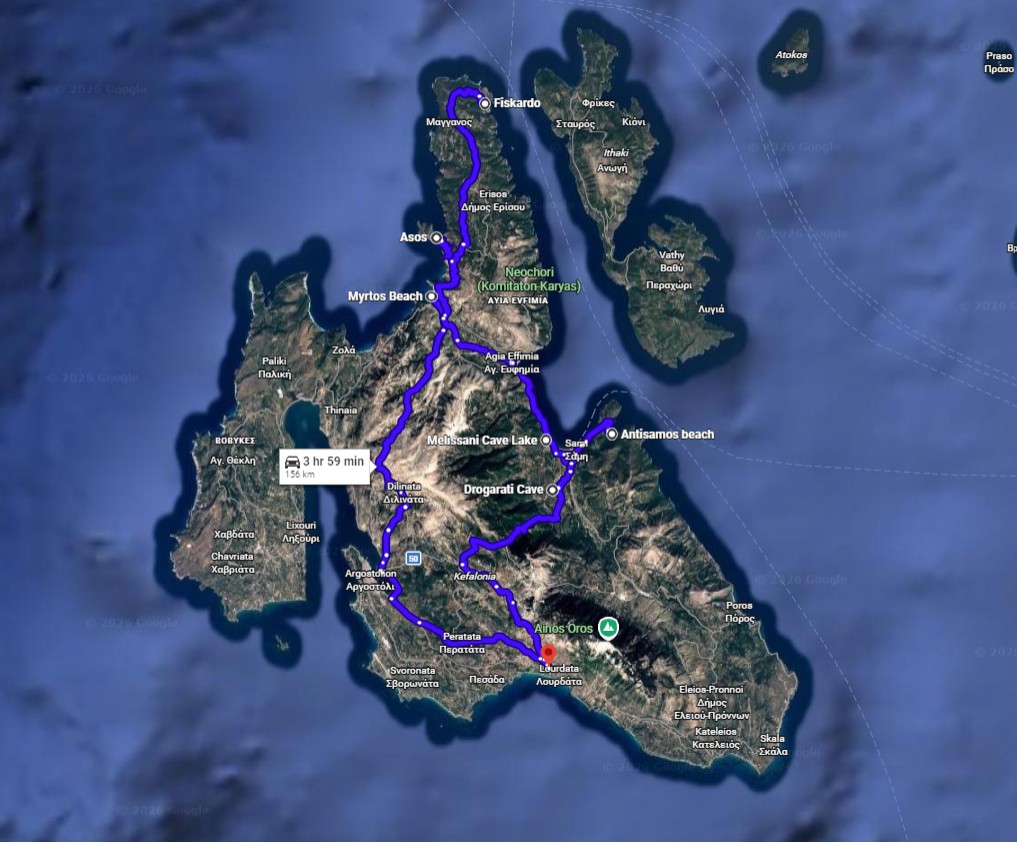
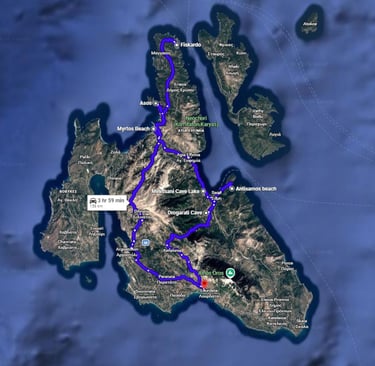
Our self-drive route around Kefalonia covering some 156km in total.
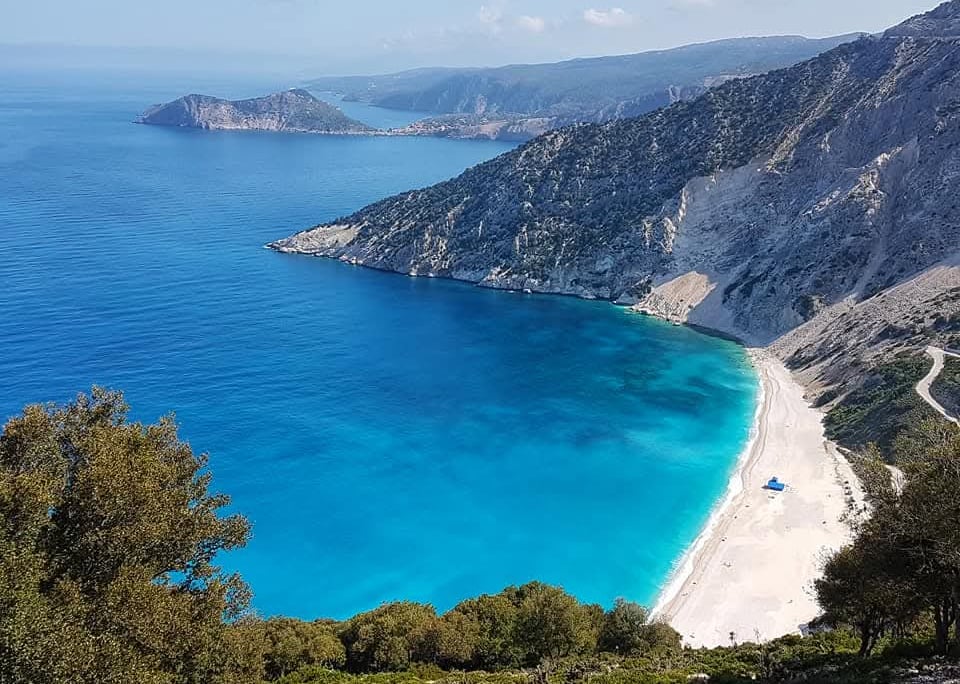
Myrtos Beach
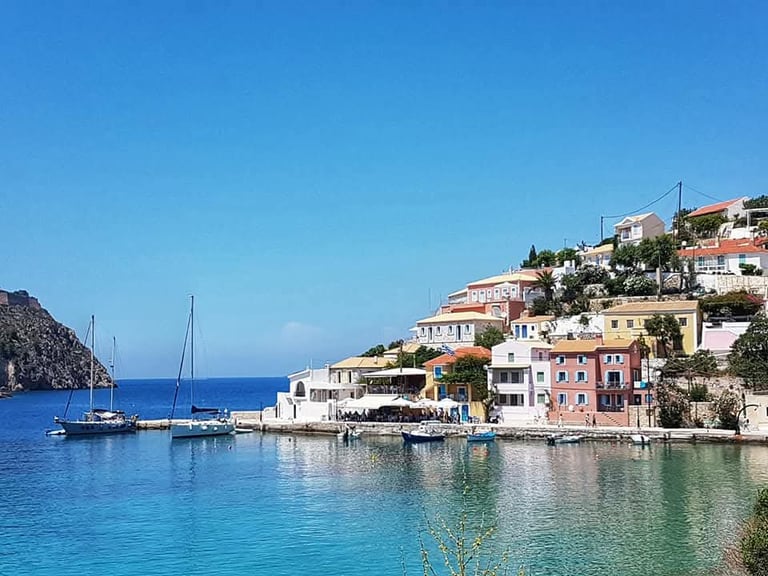
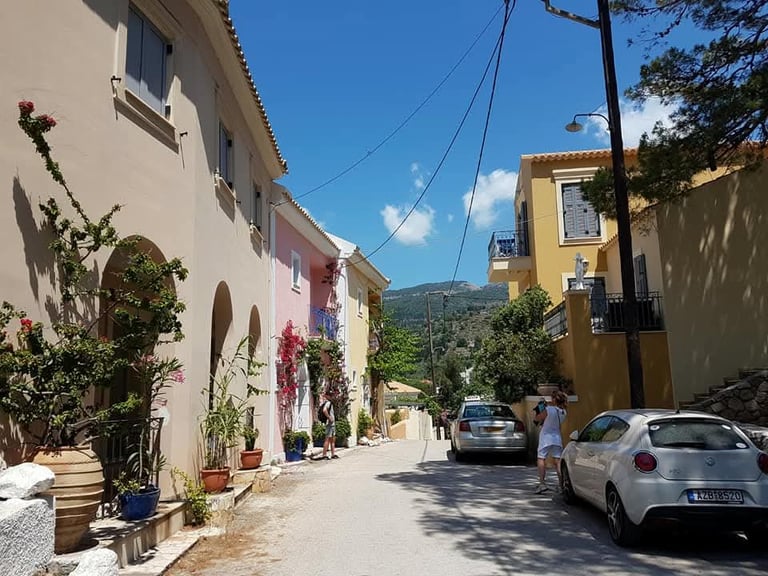
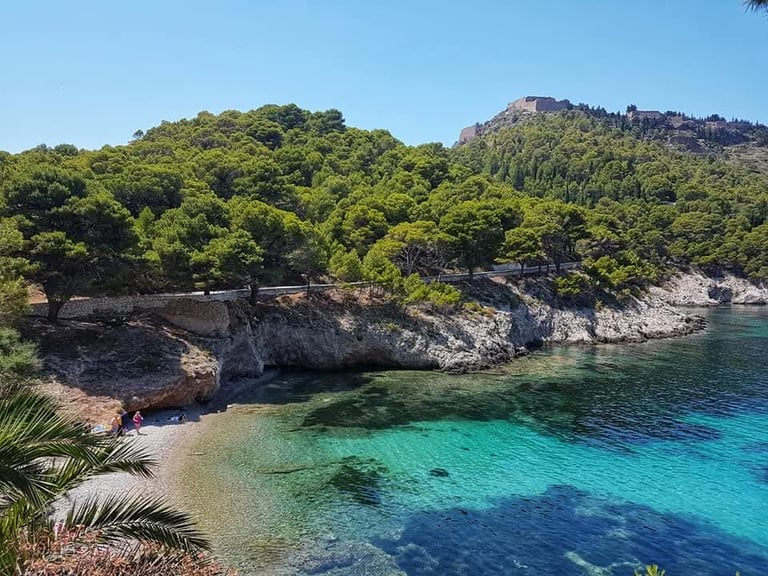
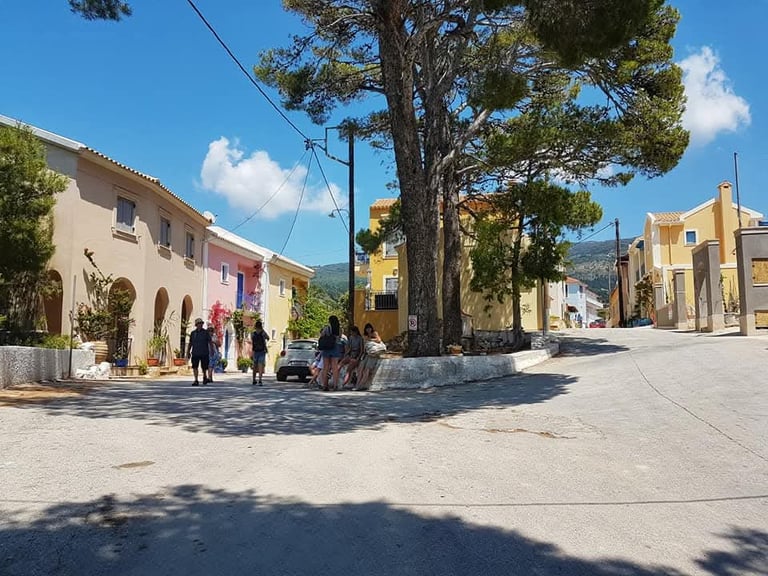
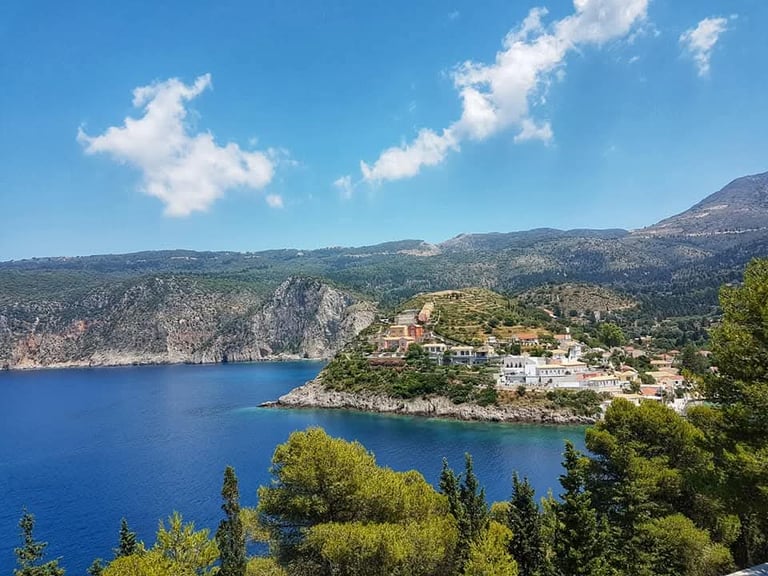
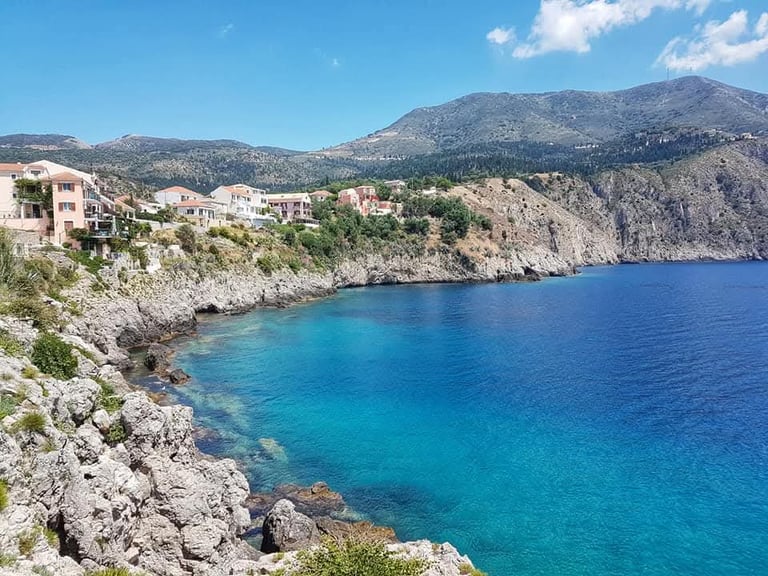
Assos
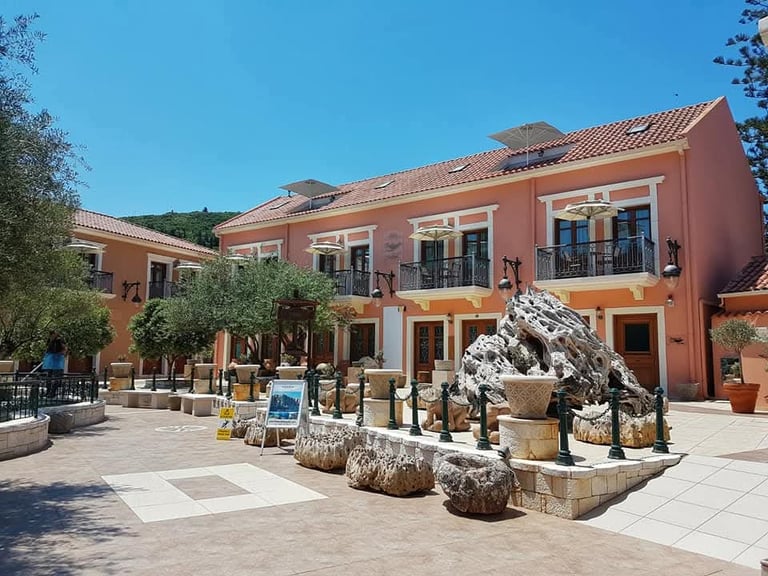
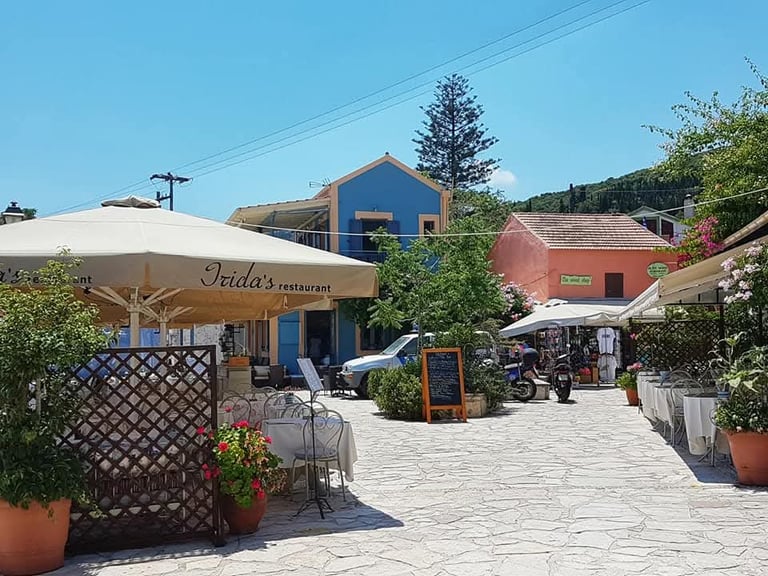
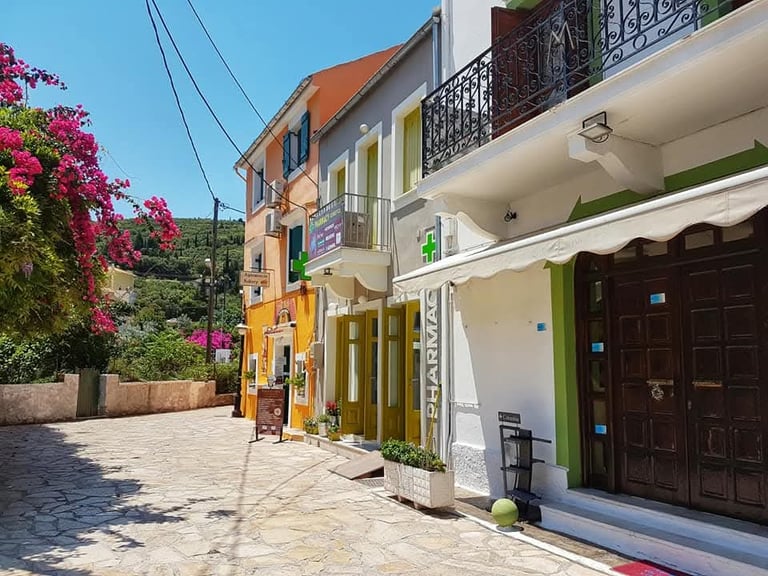
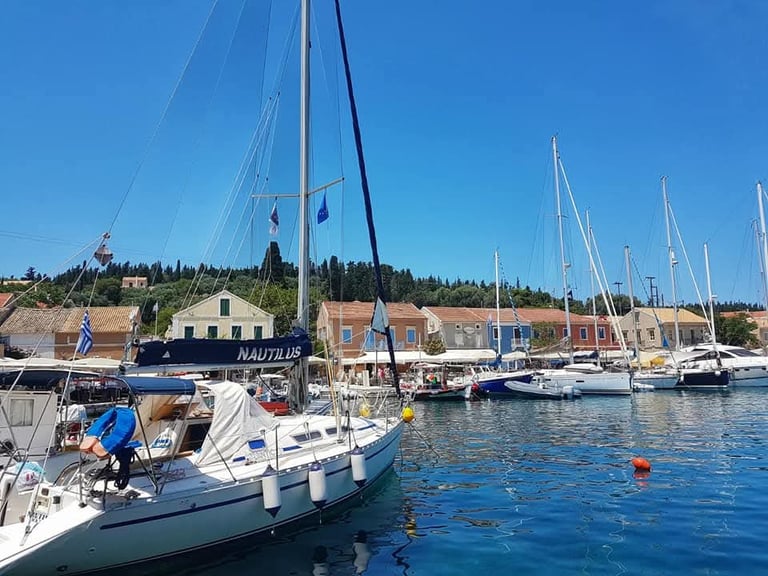
Fiskardo
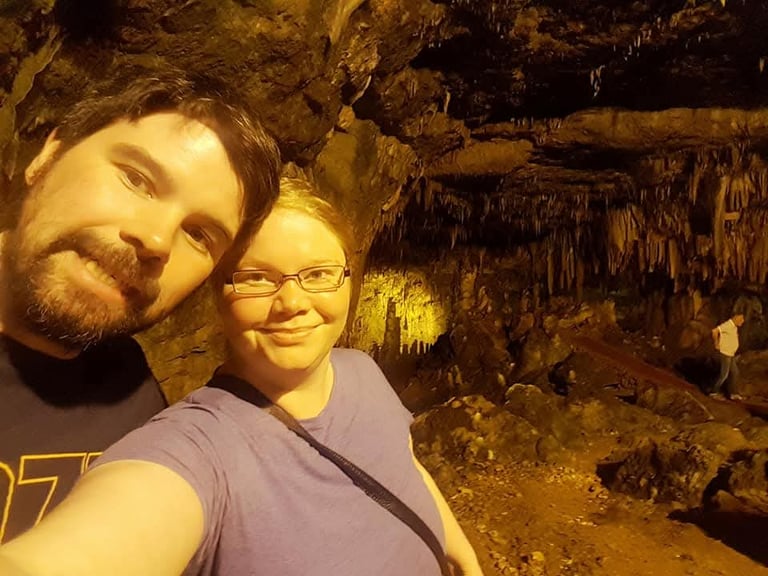
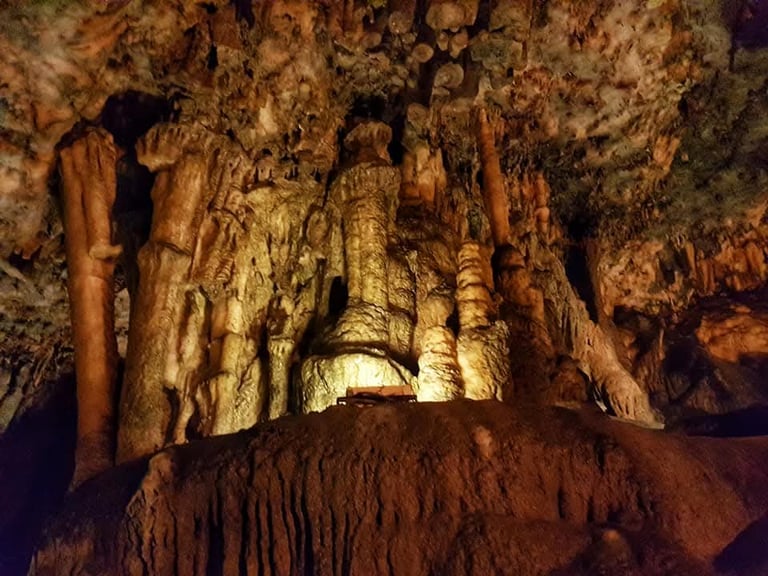
Drogarati Limestone Cave
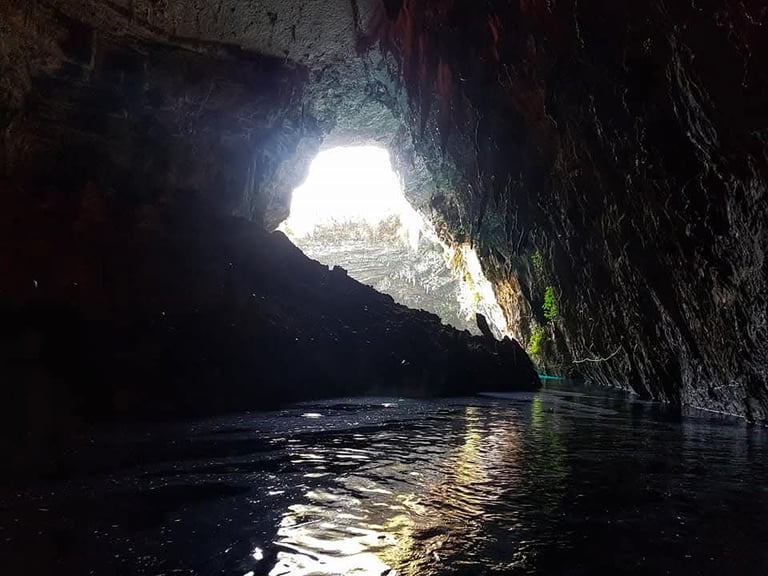
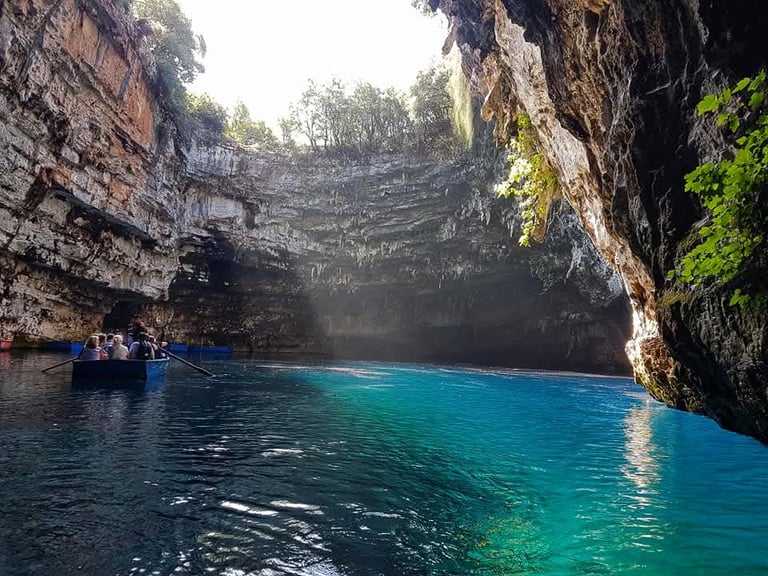
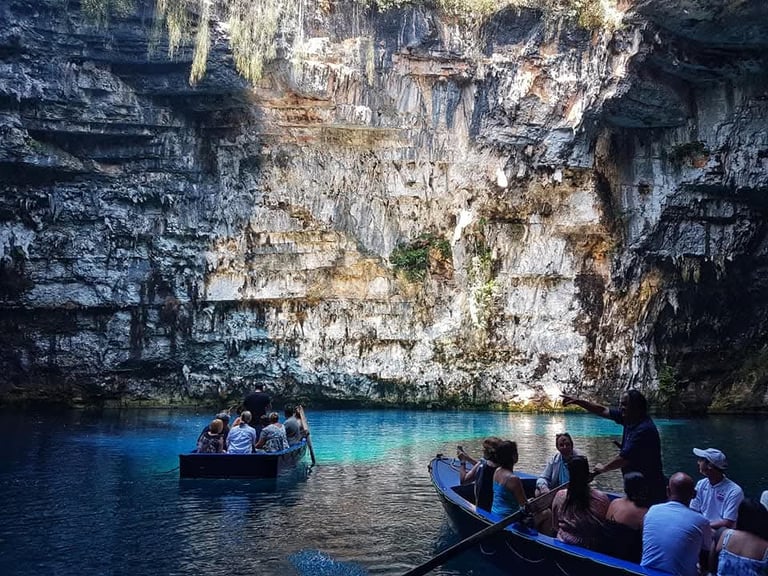
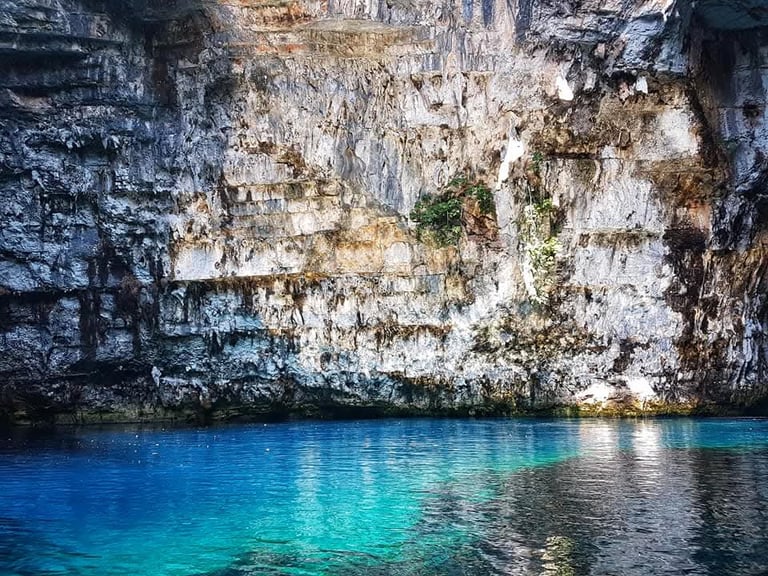
Melissani Cave Lake
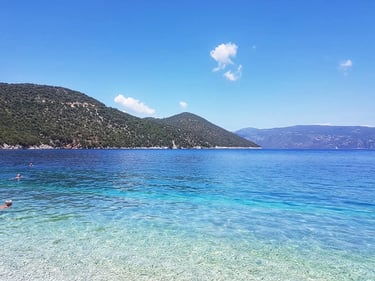
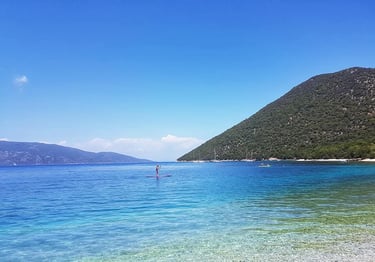
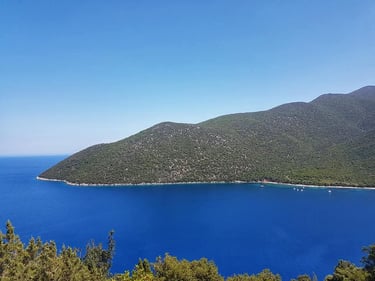
Antisamos Beach Kefalonia
Daytrip 2 - Beach hopping
We had seen a fair share of beaches on the previous daytrip (Daytrip 1) but it hadn't been a beach trip per ce, rather a sightseeing trip. Daytrip 2 was very much a beach trip where we spent a bit of time on the beaches we visited. On this trip, we stopped at Xi beach and Vouti beach in the somewhat out-of-the-way Paliki Peninsula.
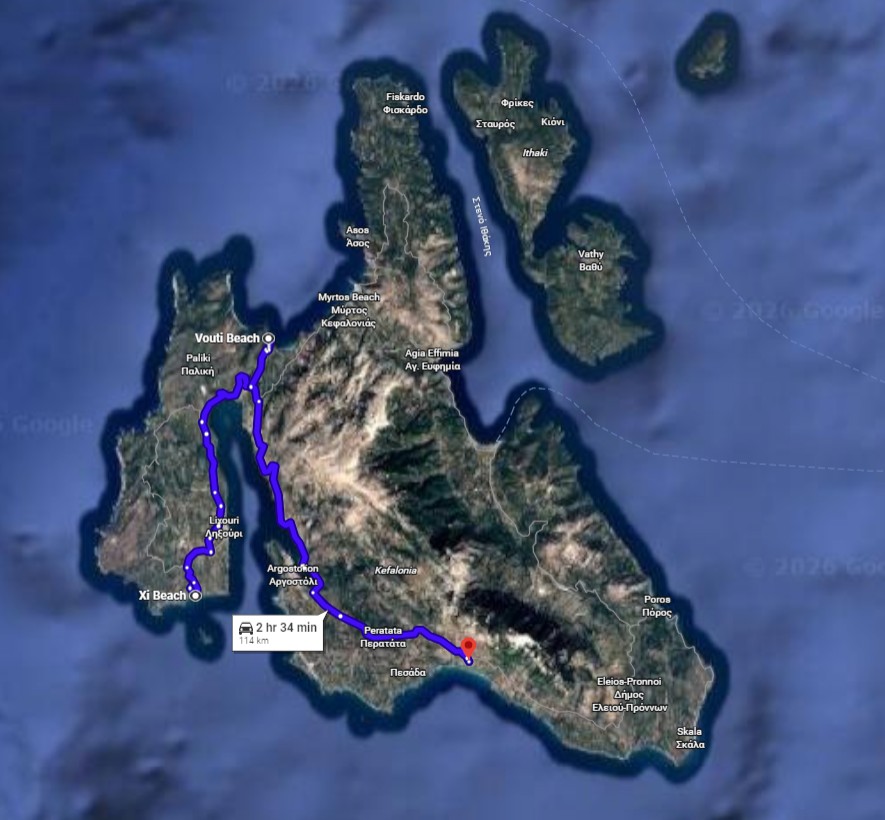
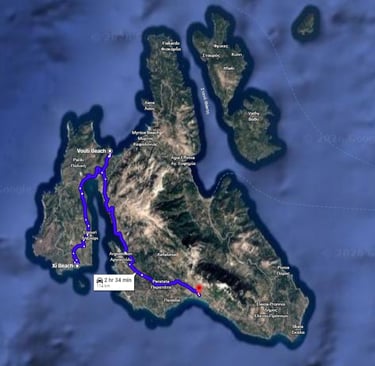
Our itinerary for beach hopping visiting the more remote Xi beach, as well as Vouti beach on our way back
Xi Beach
The beach is on the Paliki peninsula on the western side of the island, about 7-8km from the town of Lixouri. I wanted to visit this beach because it's very different from all the other beaches across Kefalonia, with a low grey clay cliff contrasting starkly against the orange coloured sand. The clay cliffs are fairly recent, in geological terms, only 0.781-3.5 million years old, deposited originally in a relatively deep marine environment but been pushed up through intense tectonic events. The orange colour of the sand is brought about by the release of iron in iron rich minerals.
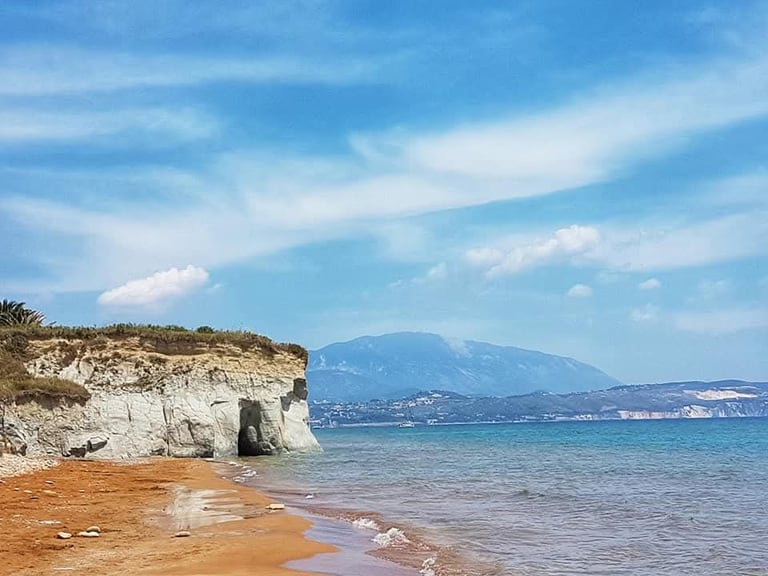
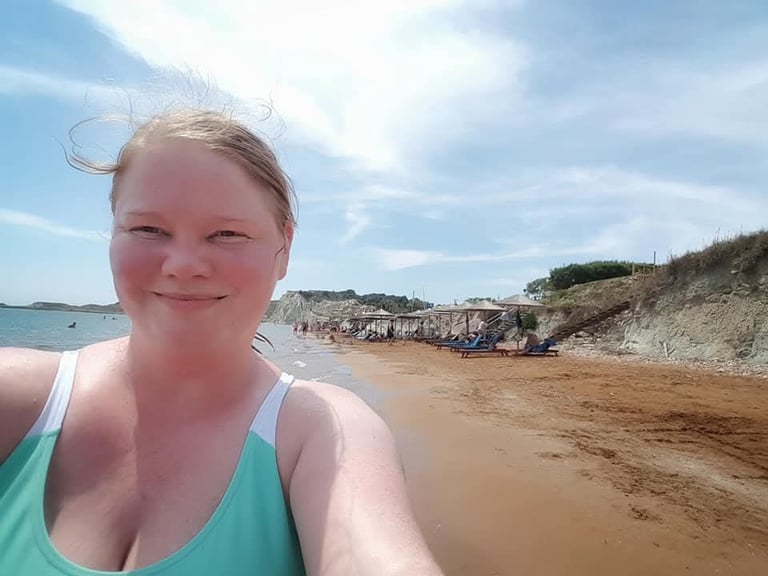
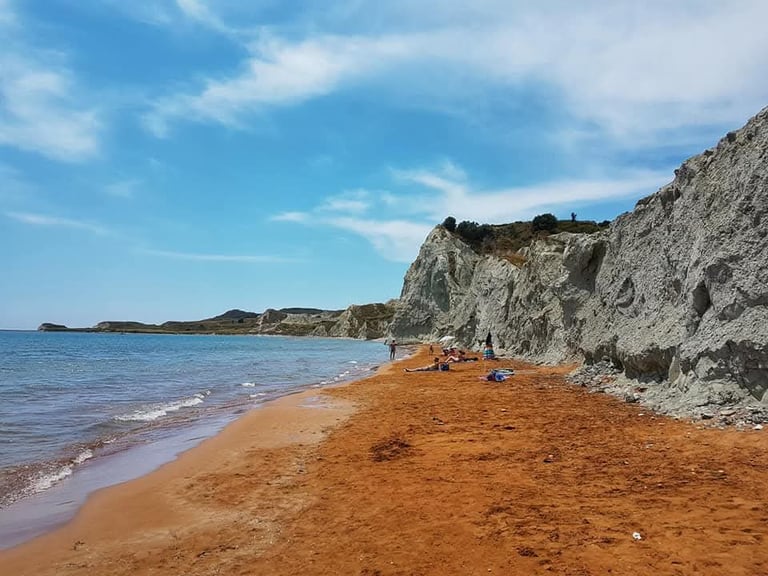
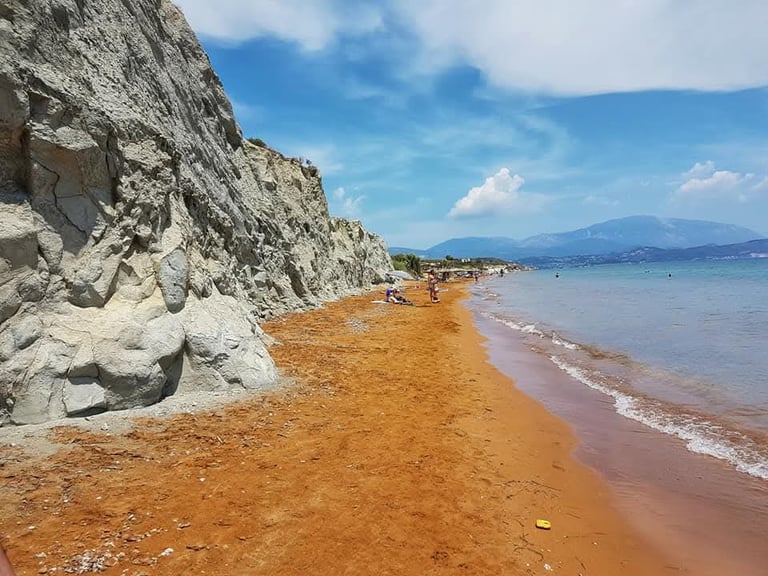
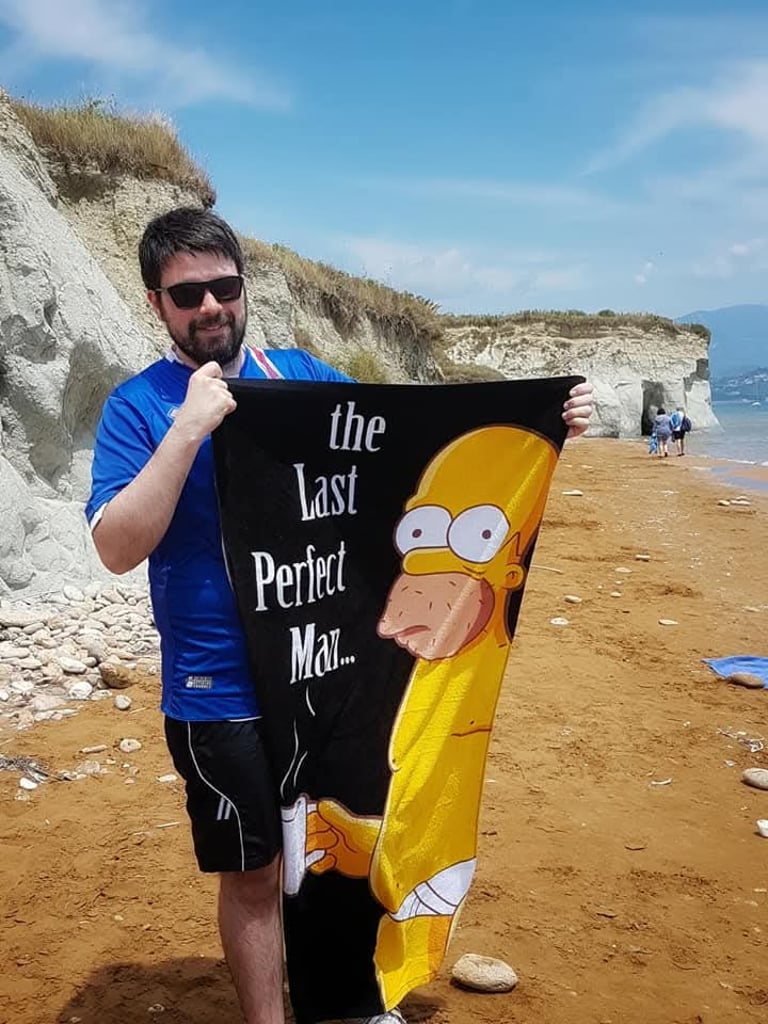
Xi Beach
Vouti Beach
We had a bit of spare time on our way back to Lourdas, so we stopped at this scenic spot for a wee while. The beach is a secluded, picturesque cove on the Paliki Peninsula, known for its stunning turquoise, crystal-clear waters, mix of white pebbles/fine sand and tranquil atmosphere, divided by rocks into two parts, one organized with sunbeds and a canteen/bar, the other wild, ideal for swimming and snorkeling. Access involves a somewhat challenging dirt road, but rewards visitors with an exotic, less crowded hidden gem experience.
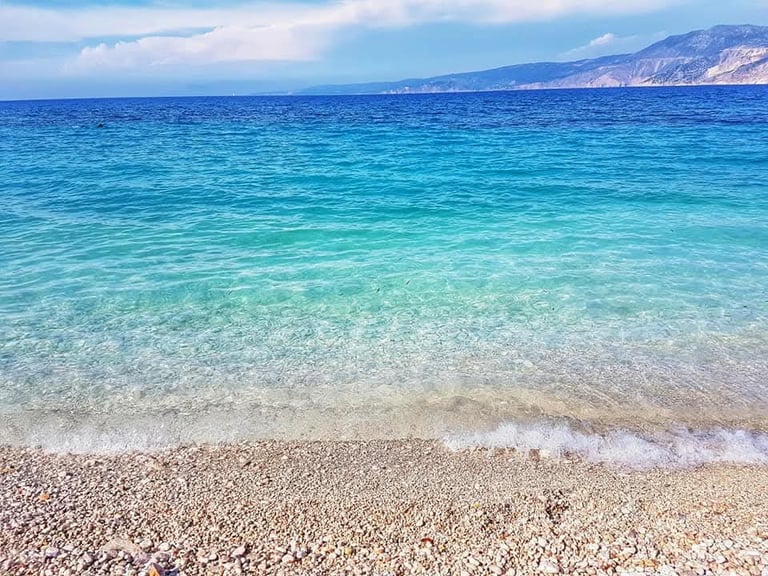
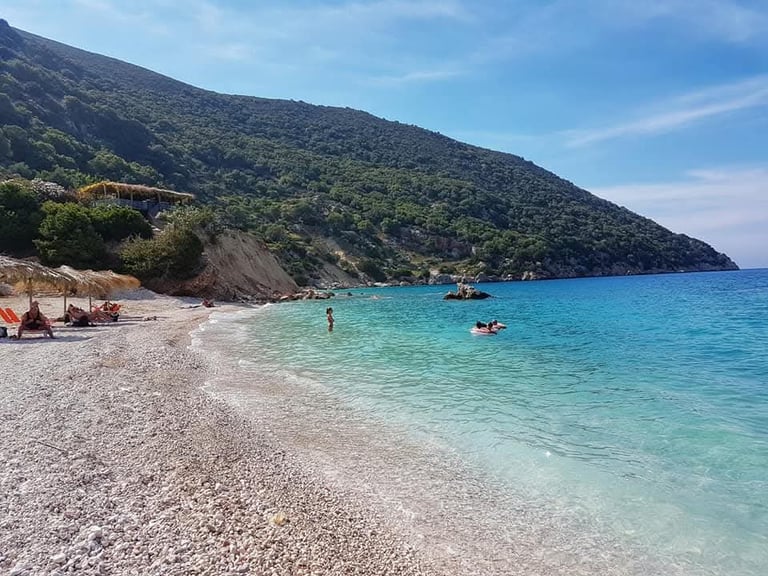
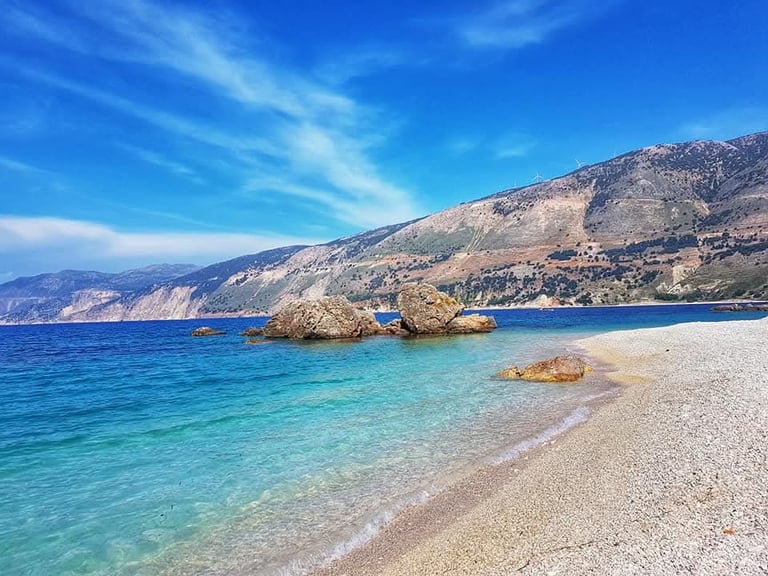
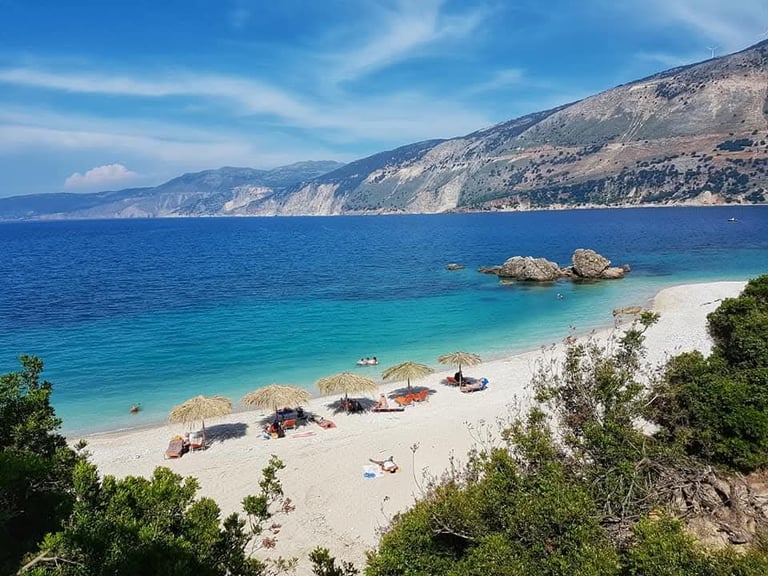
Vouti Beach
Daytrip 3 - Argostoli and surrounding area (Self-drive)
On another trip, we took the car to explore the island's capital Argostoli, Agios Georgios Castle and visit the Robola Winery and a peak at the nearby Holy Monastery of Saint Gerasimos. The itinerary is shown below.
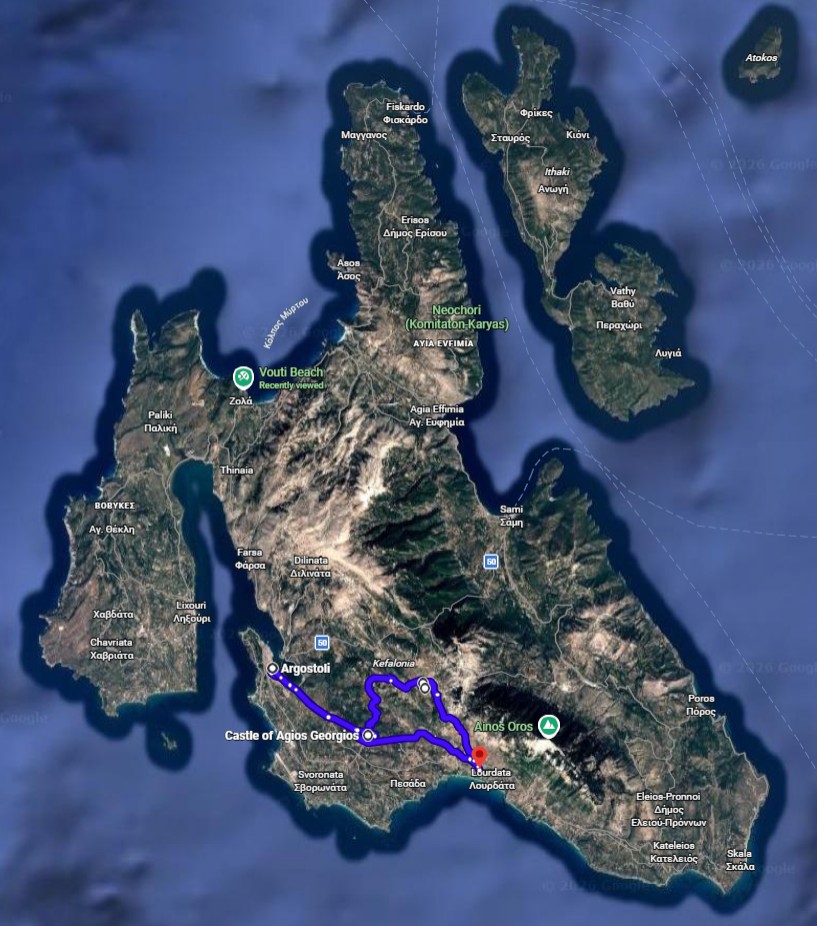
Argostoli
The town of Argostoli is the most densely populated area in Kefalonia. The seafront charming with lots of restaurants and as you walk there, or even sit there having a meal, you can see turtles swimming in the water, which is quite magical!
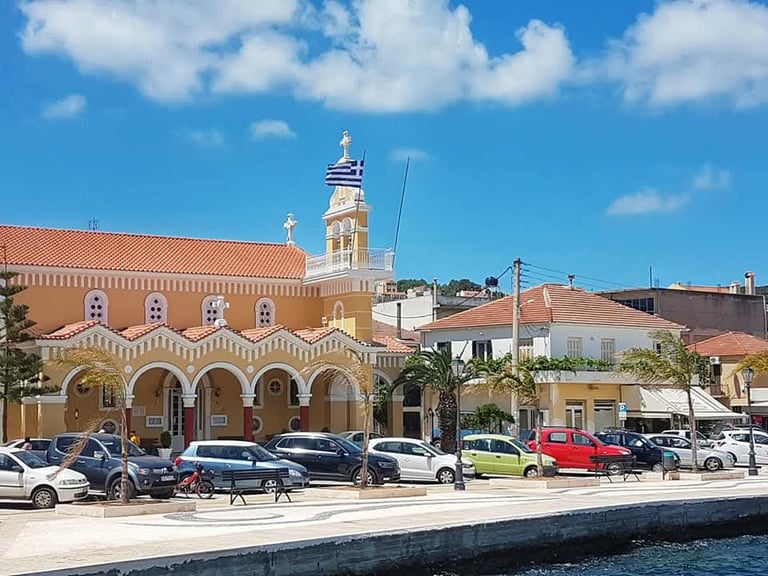
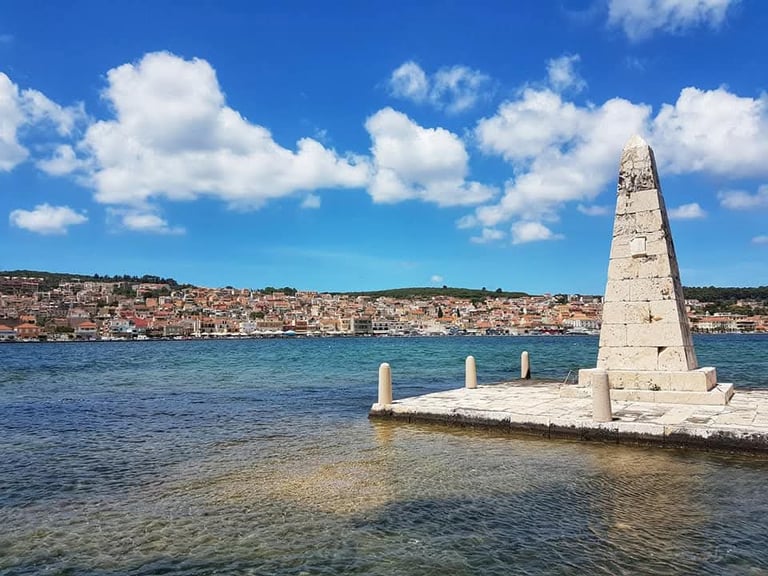
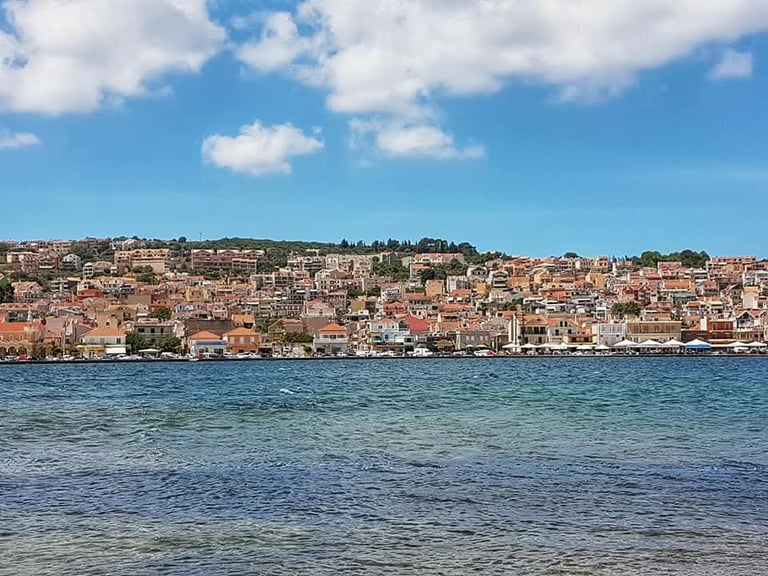
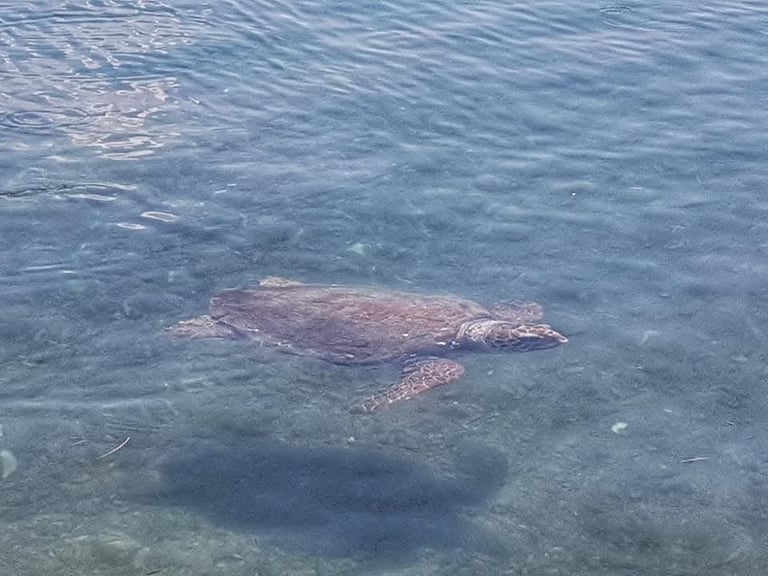
Argostoli
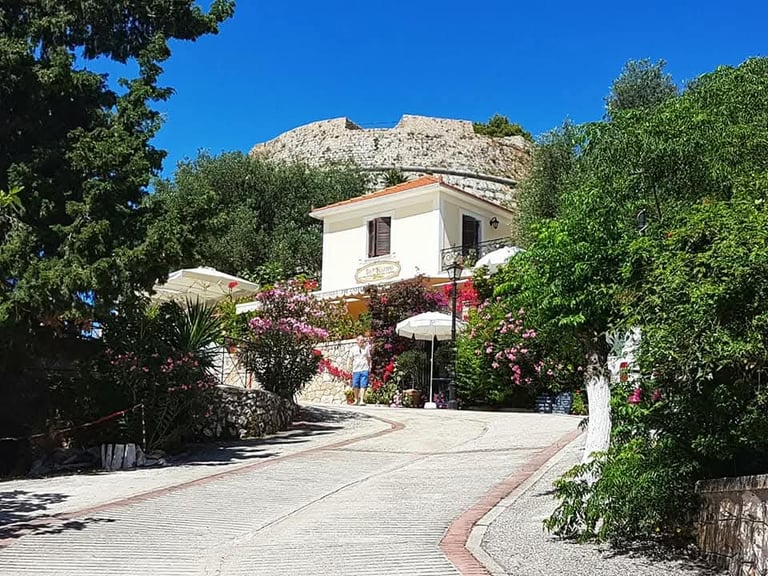
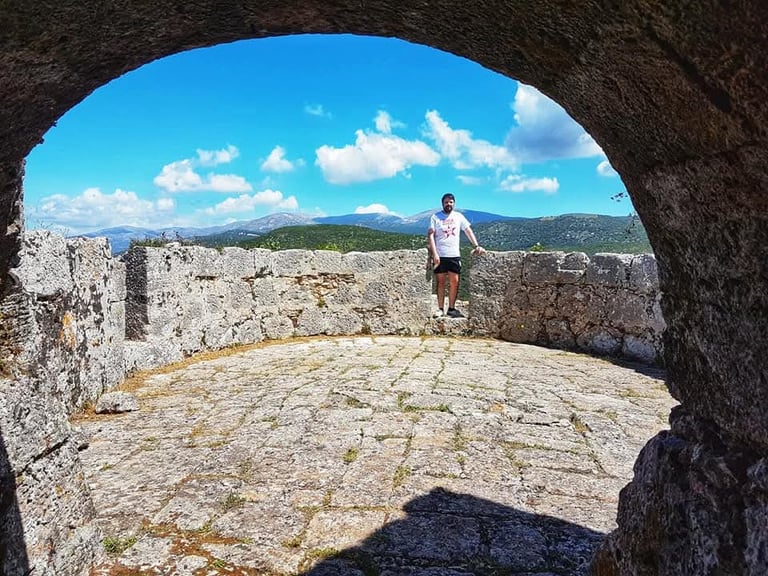
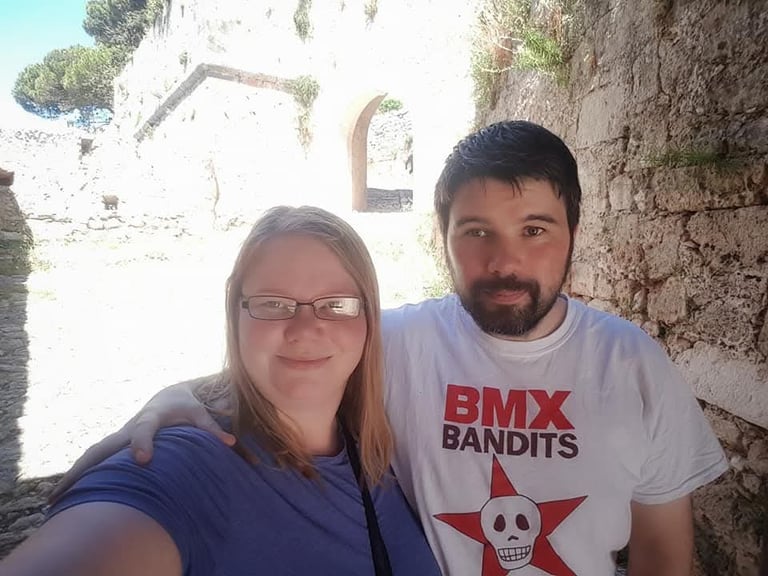
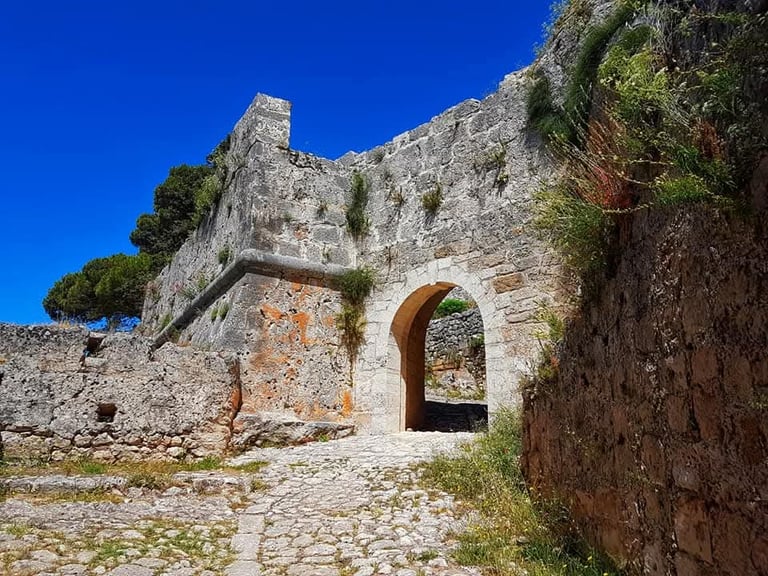
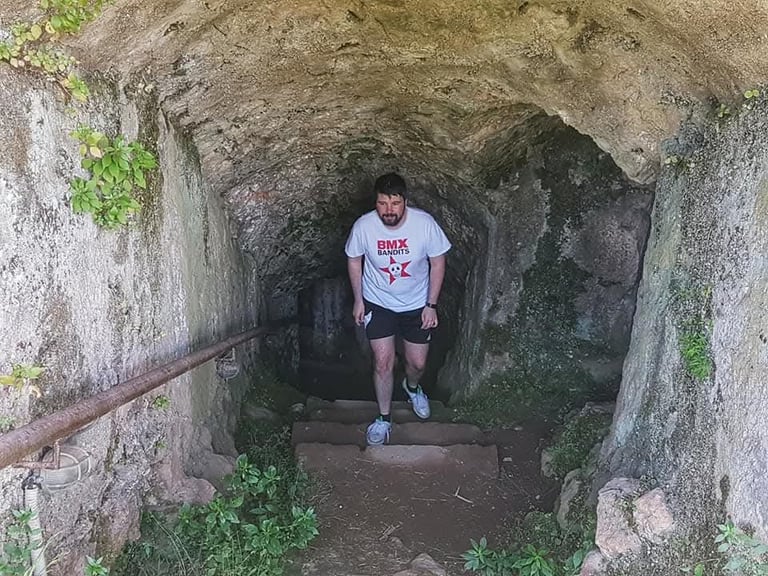
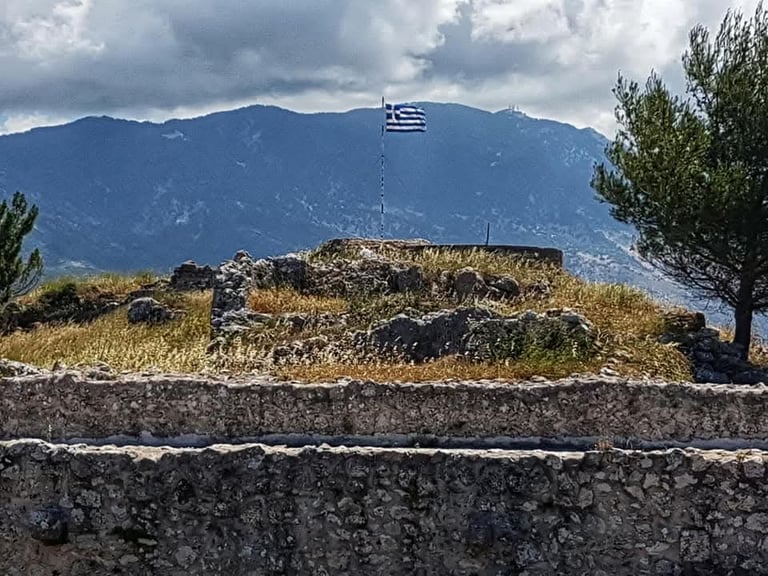
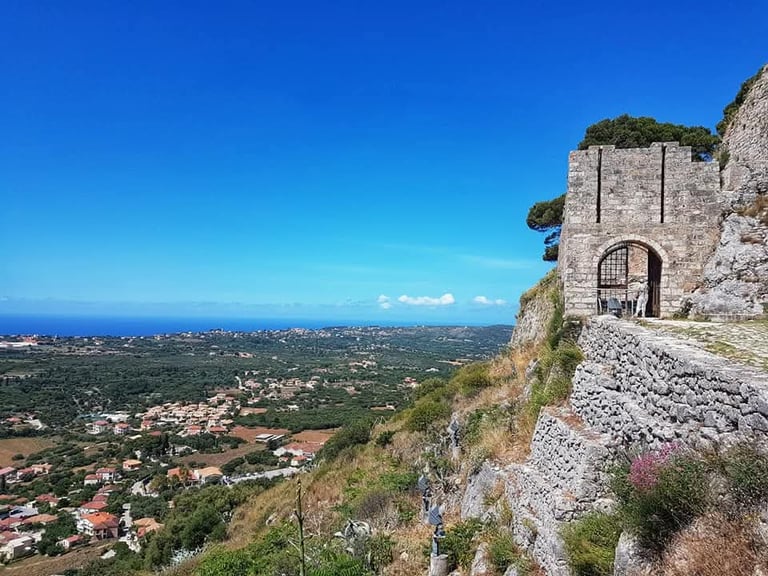
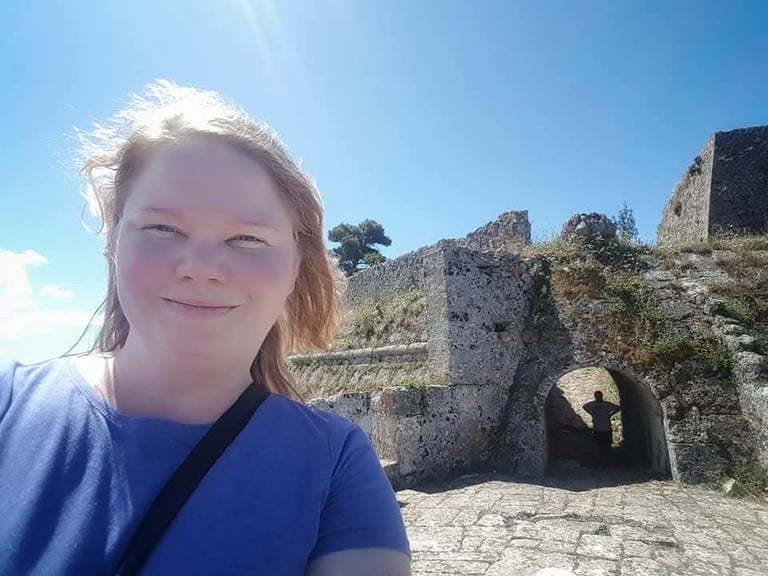
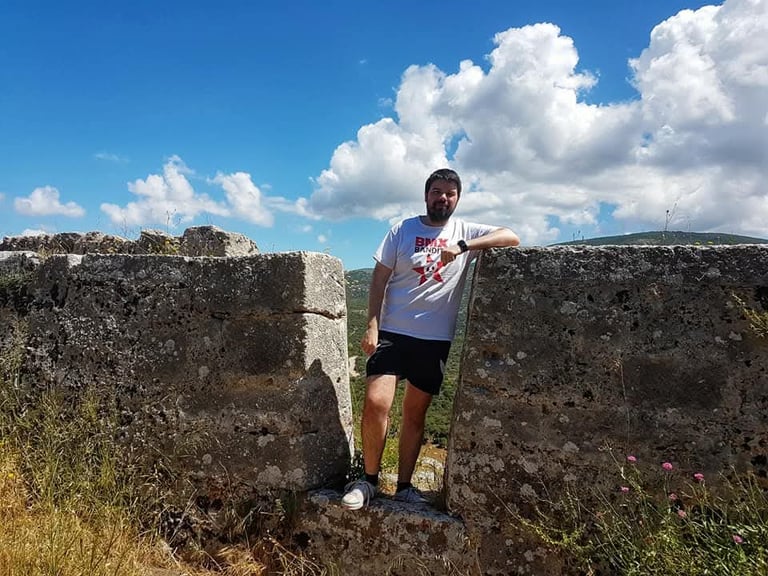
Agios Georgios Castle
Castle of Agios Georgios
The castle used to form a fortified settlement sitting atop a 320m hill about 7kmfrom Argostoli. It served as the capital of Kefalonia for centuries until 1757, when the Venetians transferred administrative power to Argostoli. The fortress covers 16,000 square meters and changed hands multiple times throughout history, falling to the Franks, then the Turks, before being recaptured by the Venetians with Spanish assistance in 1500. The Venetians subsequently fortified and expanded the castle, with major restoration work completed in 1504.
During its peak, the castle functioned as a well-organized town complete with residences, churches, hospitals, prisons, warehouses, water cisterns, and public buildings that could support up to 15,000 inhabitants and withstand long sieges. Its strategic hilltop position allowed defenders to spot pirate ships up to 20 miles away on clear days. Today, only ruins remain, primarily towering walls, cobblestone streets, and a few structures—as the castle suffered extensive damage from earthquakes in the 17th century and particularly the devastating 1953 earthquake that struck Kefalonia. Despite its ruined state, the site offers panoramic views of the island and bay of Argostoli, making it a popular destination for history enthusiasts.
Robola winery
Our last stop on the daytrip to the Argostoli area was to visit the Robola winery. Robola wine is special primarily because it's considered one of the best and most prominent Greek grape varieties and is grown almost exclusively on the island of Kefalonia in a designated PDO (Protected Designation of Origin) zone. What makes it truly unique is its terroi; the vines grow on the semi-mountainous slopes of Mount Aenos in poor, gravelly limestone soils at high altitudes, often above 300 meters. The vines are frequently ungrafted in these limestone soils, which is quite rare in modern viticulture. These challenging growing conditions, combined with the mountainous climate and intense sunshine, produce grapes that yield wines with exceptional freshness and character. The wines themselves are distinctive for their crisp, vibrant profile. Robola produces dry, medium-bodied wines with high acidity, significant phenolic levels and a distinct lemon note, along with citrus aromas like grapefruit, lime and lemon peel. The wines often display what experts describe as a flinty or chalky minerality and plenty of power. The grape is early ripening, and careful timing of the harvest is critical to maintain the balance of acidity and flavor that makes Robola so prized among Greek white wines.
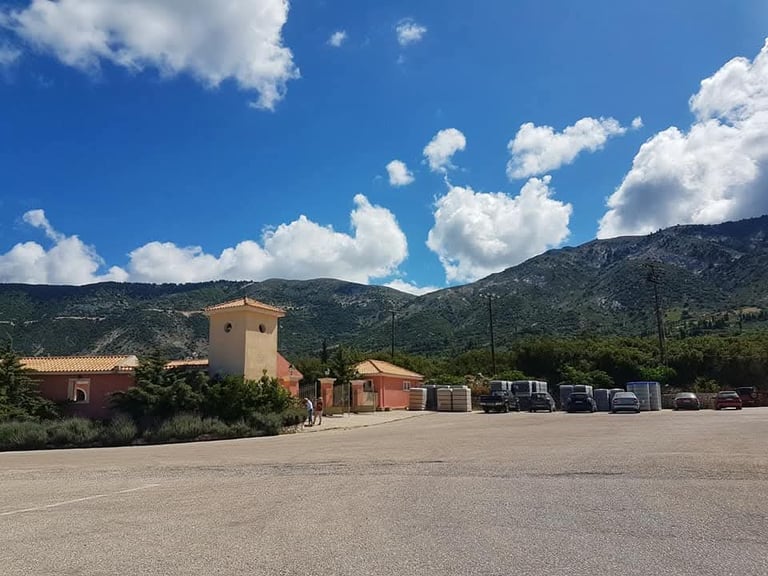
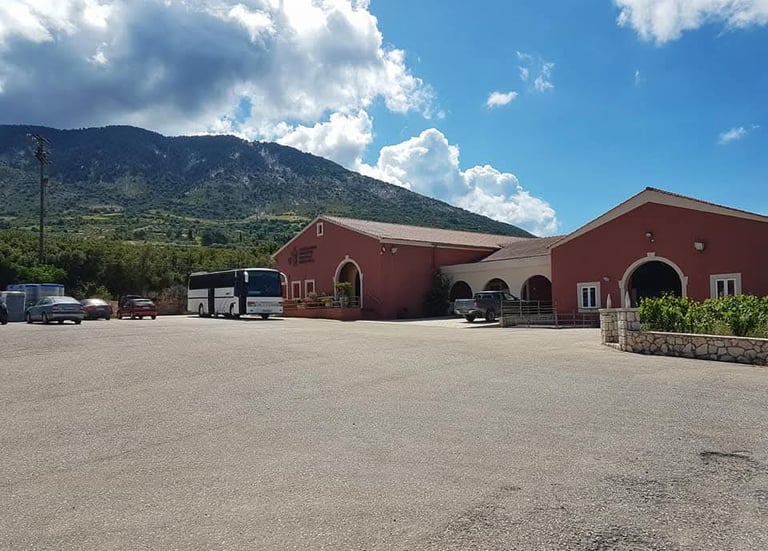
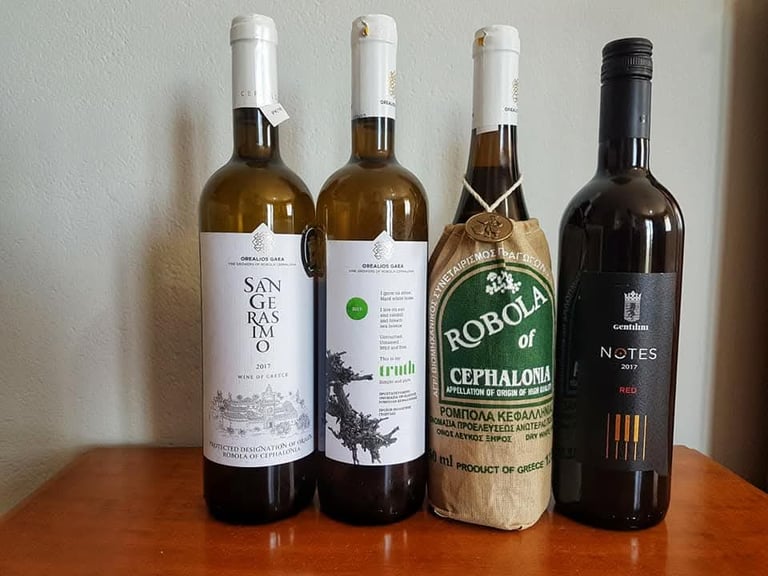
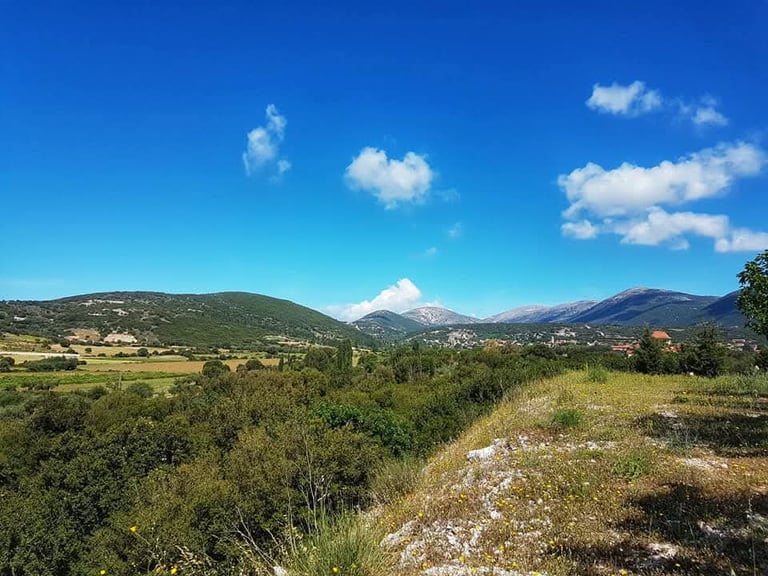
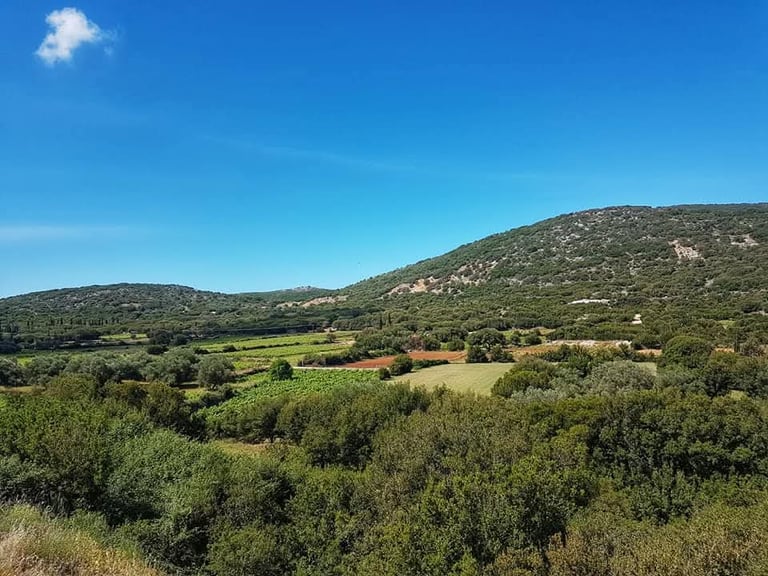
Some of the photos from our visit and bottles we ended up buying
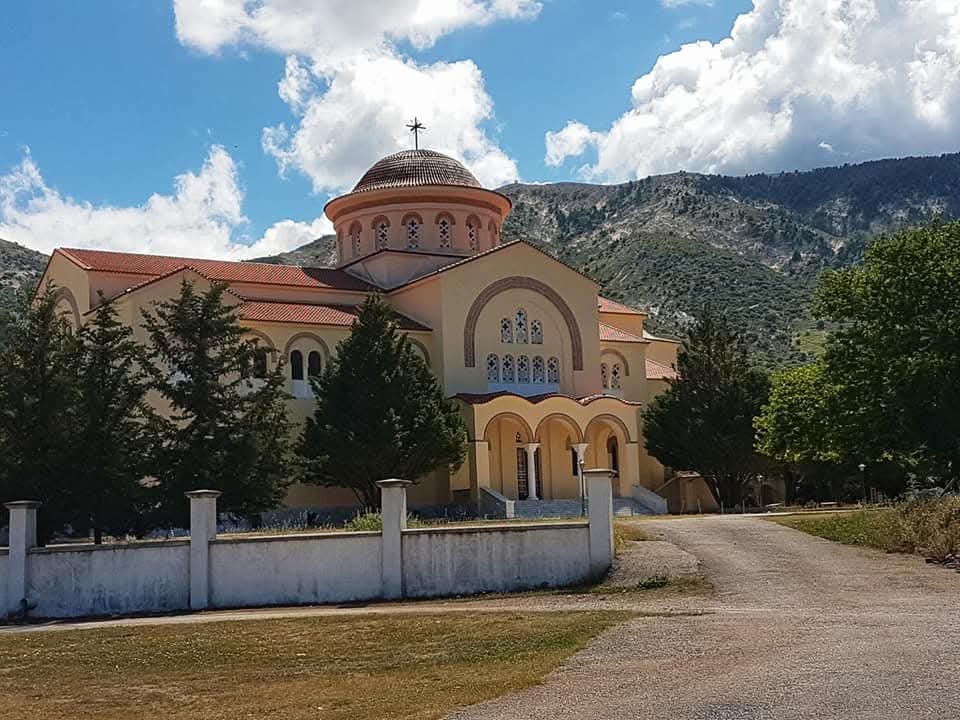
Holy Monastery of Saint Gerasimos
Daytrip 4 - Ithaka island
We went on an organised daytour with a guide around Ithaka Island, which is just off the coast of Kefalonia. The tour took us to Stavros, Kioni, Vathy and Kathara Monastery.
Ithaka (also spelled Ithaca or Ithaki) is a small Greek island located in the Ionian Sea, off the northeast coast of Kefalonia, with an area of about 96 square kilometers and a current population of around 3,000. The island's history stretches back to the Neolithic period (4000-3000 BC), with evidence of early settlement found through archaeological discoveries including pottery shards inscribed with Linear A script. By 1500 BC the entire island was inhabited and around 1000 BC, Ithaka's kingdom reached its peak, encompassing all the Ionian Islands and parts of the Akarnanian coast.
Most famously, Ithaka is identified as the legendary homeland of Odysseus, the hero of Homer's epic poem the Odyssey, though this connection has been debated by scholars over the centuries.
Stavros
Stavros is the second-largest village on Ithaca founded in the 16th century. It is primarily famous as the presumed location of Odysseus' Palace. Situated in northern Ithaca, it is known for the Archaeological Museum of Stavros, the bustling central square with a bust of Odysseus, and traditional 16th-century architecture, pictured below.
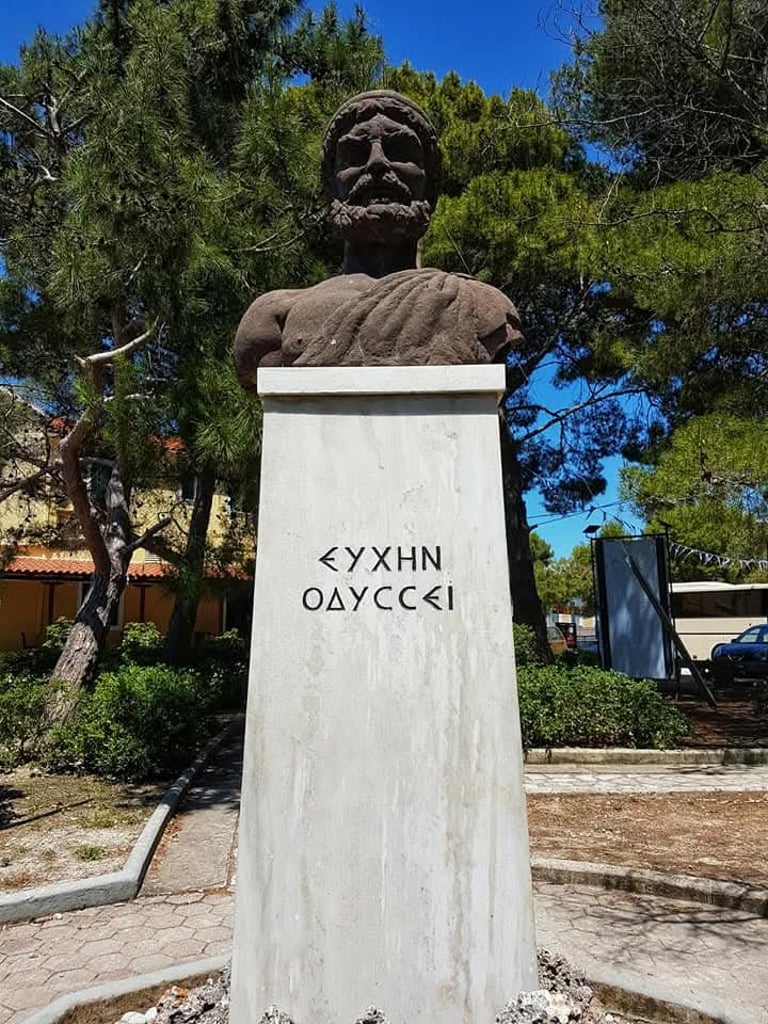
Odysseus in Stavros
Kioni
Kioni, located on the northeast coast of Ithaka, is renowned as one of the most picturesque, charming and stunningly scenic harbor villages in the Ionian Sea. It is famous for its sheltered, horseshoe-shaped bay filled with fishing boats and yachts, traditional 16th-century, pastel-colored houses, and three historic windmills at the entrance.
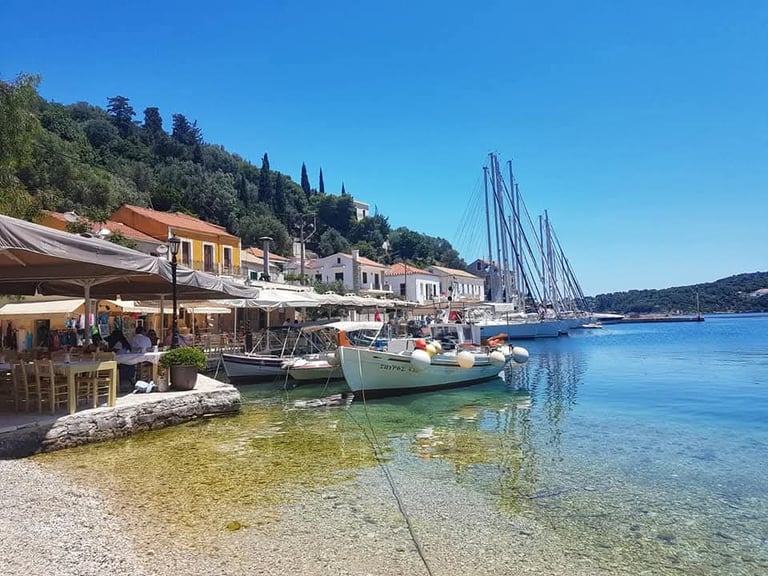
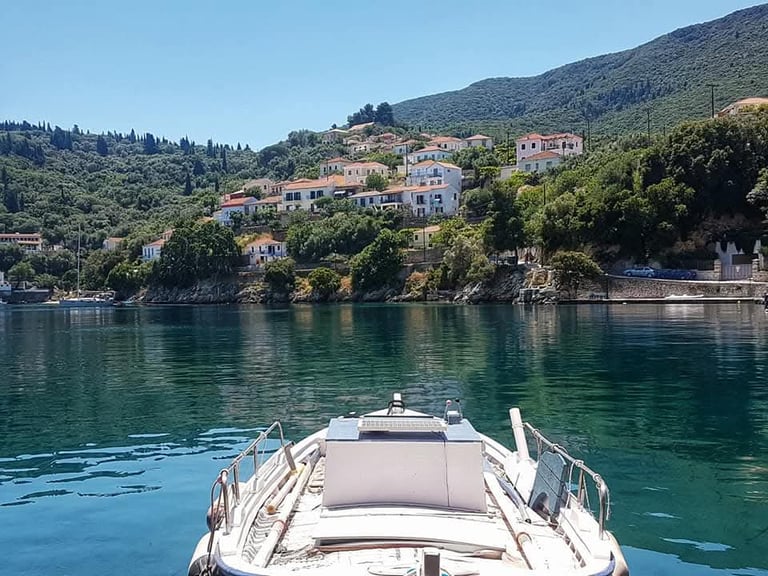
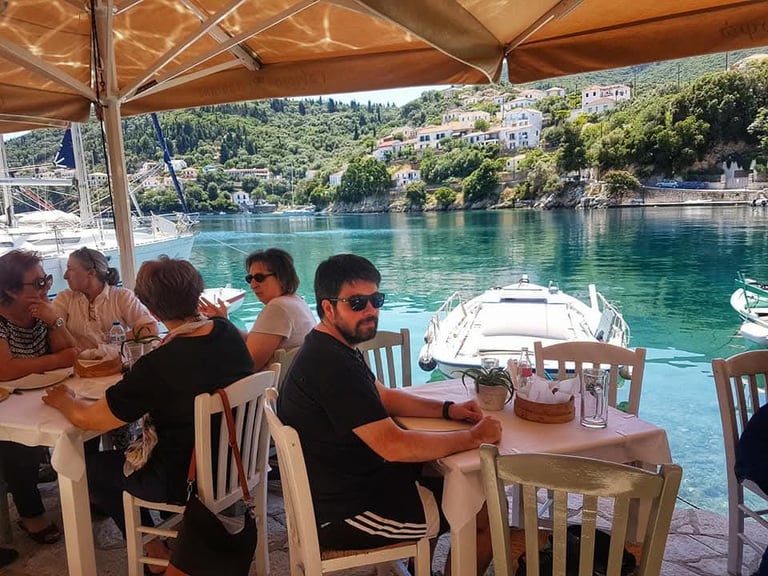
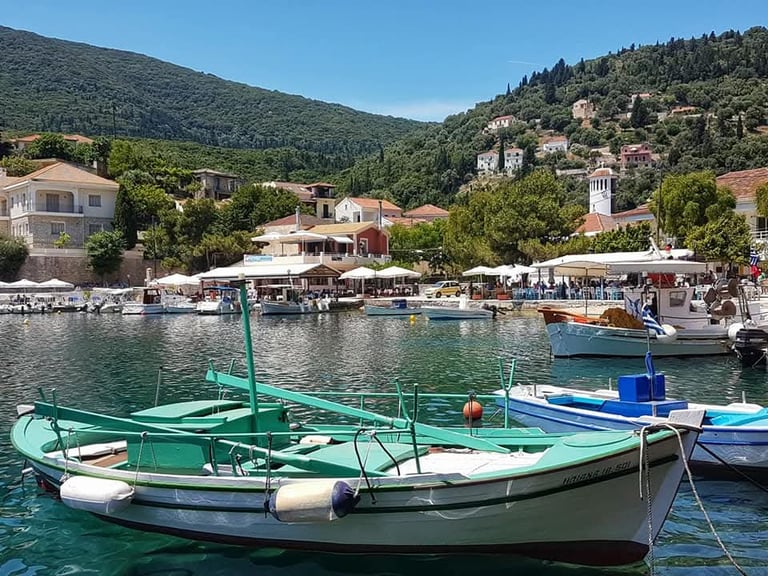
Kioni
Vathy
Vathy, the capital of Ithaka, is renowned as a picturesque, amphitheatrically built harbor town, famous for its deep, protected natural bay. It is known for its Venetian-influenced architecture, the tiny, scenic islet of Lazaretto, the 1807 French fort at the port entrance and as a popular, vibrant, yachting destination. Vathy is intimately connected to Homer as it is part of the island identified as the home of Odysseus in The Odyssey. The town is located on a deep, sheltered bay near the Cave of the Nymphs (where Odysseus hid treasure) and the beach of Dexia (thought to be the ancient port of Phorcys), making it a focal point for exploring Homeric legends. There is a bust of the poet Homer, the author of The Odyssey, in the central square of Vathy which was unveiled in August 2011 and created by sculptor Stathis Alexopoulos from white marble.
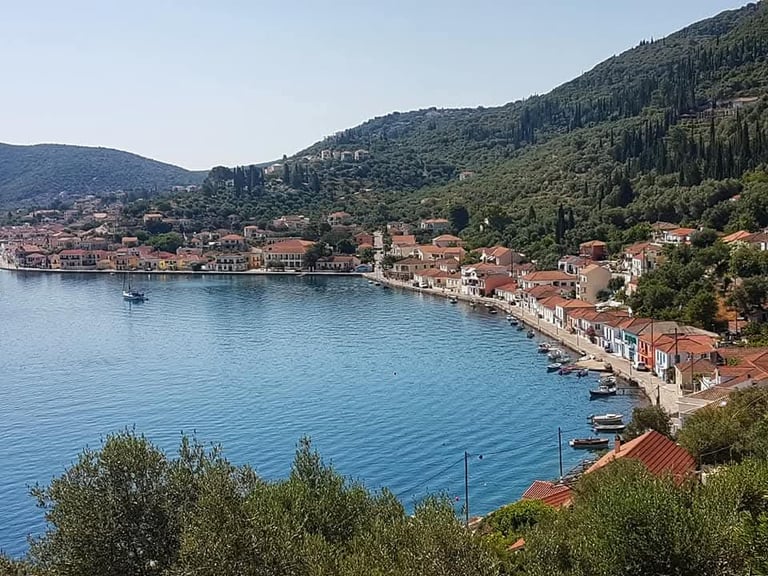
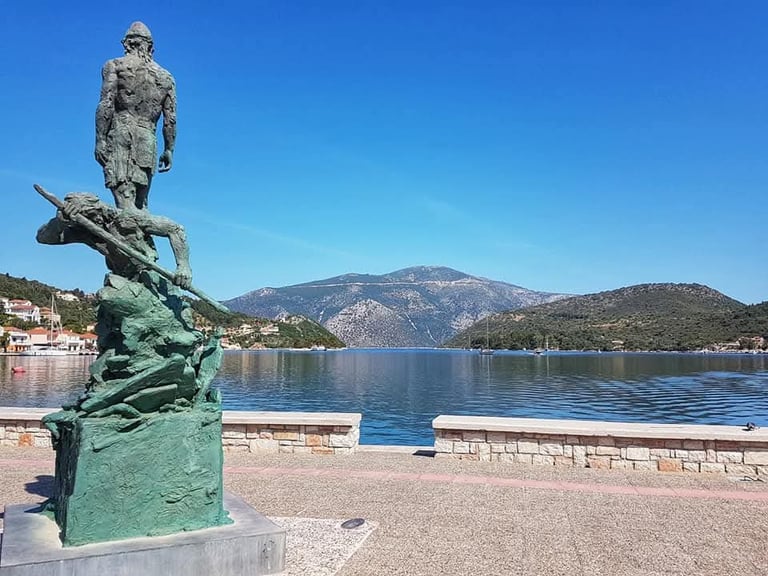
Vathy Ithaka
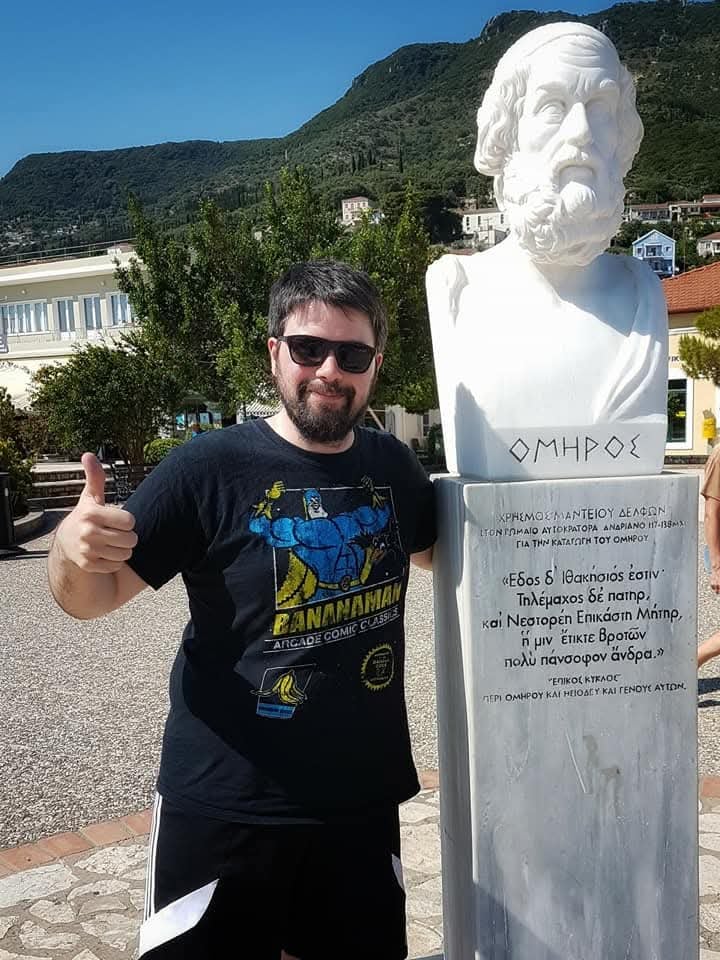
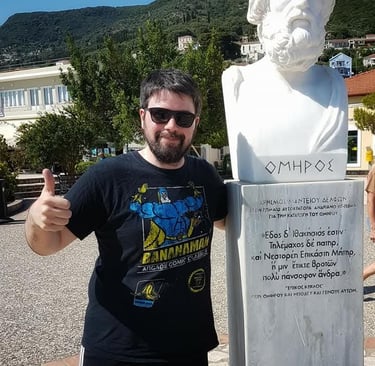
Joe met Homer in Vathy, Ithaka
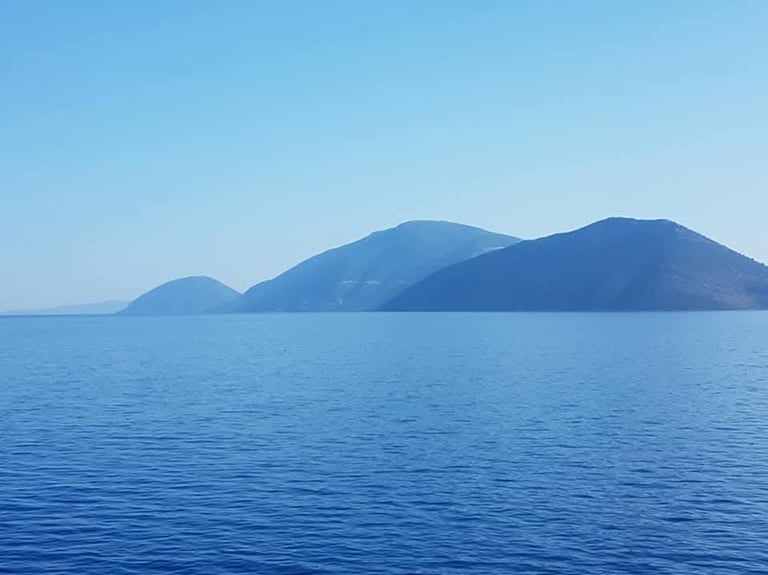
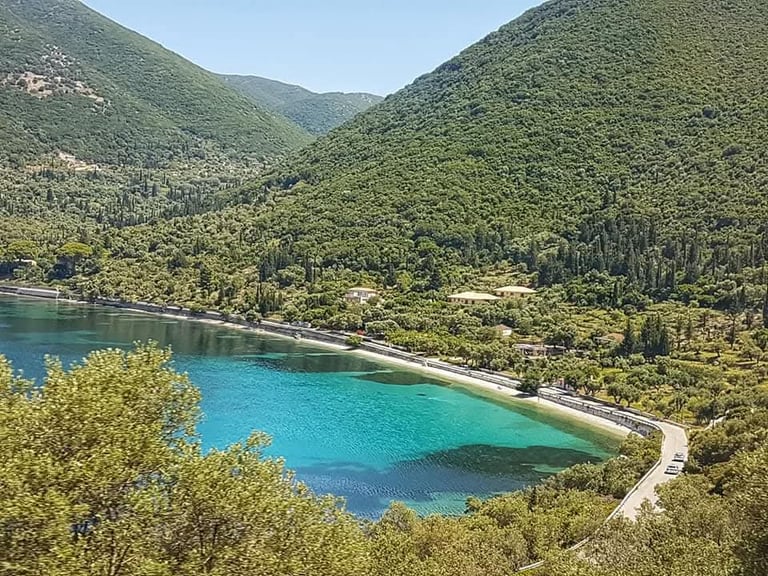
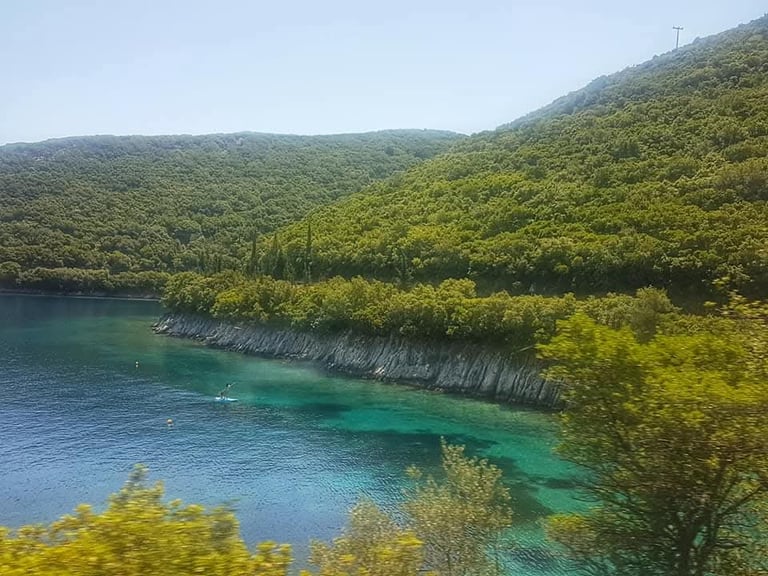
A few snapshots from the ferry and bus to and around Ithaka
Follow us on Social Media for travel updates and top tips!
© 2026. All rights reserved.



I can't recommend Pimsleur enough for learning a new language! If you don't believe me, try for your self - All Access FREE for 7 days on signup.